UK's £2 Billion Military Satellite Contract Sparks North-South War Inside Burnham's Government
Baca dalam 60 detik
- Lockheed Martin dan Airbus bersaing memperebutkan kontrak Skynet 6 senilai £2 miliar untuk membangun satelit komunikasi terenkripsi militer Inggris.
- Pemerintah Inggris menunda keputusan karena tekanan politik dari anggota parlemen Inggris timur laut yang mendukung pabrik Lockheed Martin di County Durham dan serikat pekerja yang membela lapangan kerja Airbus di selatan.
- Perdana Menteri Andy Burnham menghadapi dilema politik: memilih kubu utara berarti memenuhi janji 'pertumbuhan di setiap kode pos', tetapi berisiko kehilangan ribuan suara di wilayah selatan yang dikuasai Partai Buruh.
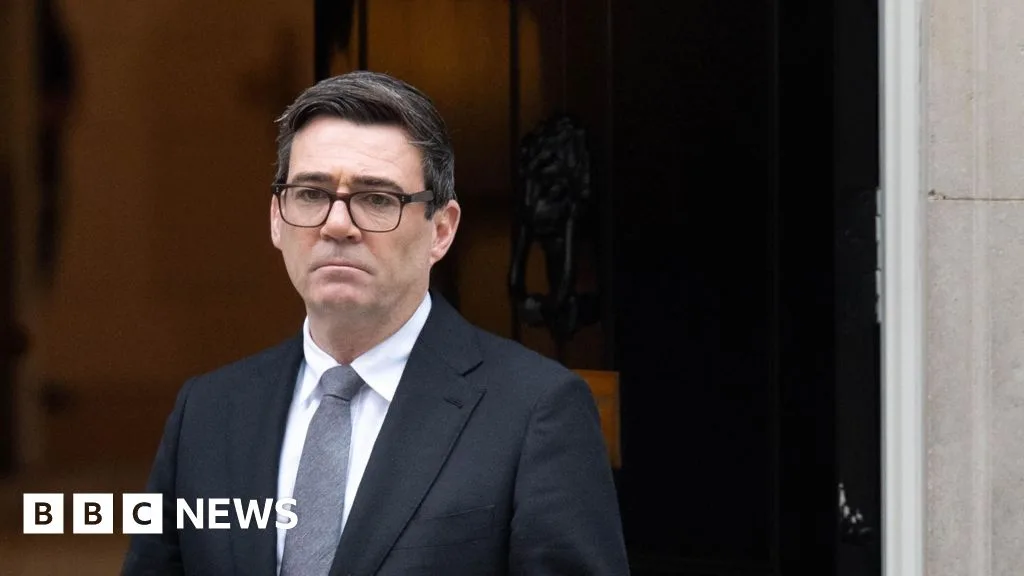
The UK government is at a crossroads in deciding the winner of a £2 billion next-generation military satellite contract. The contest between Lockheed Martin and Airbus is not merely about defense technology; it has turned into a north-south political battle that tests the credibility of Prime Minister Andy Burnham's promise of "growth in every postcode".
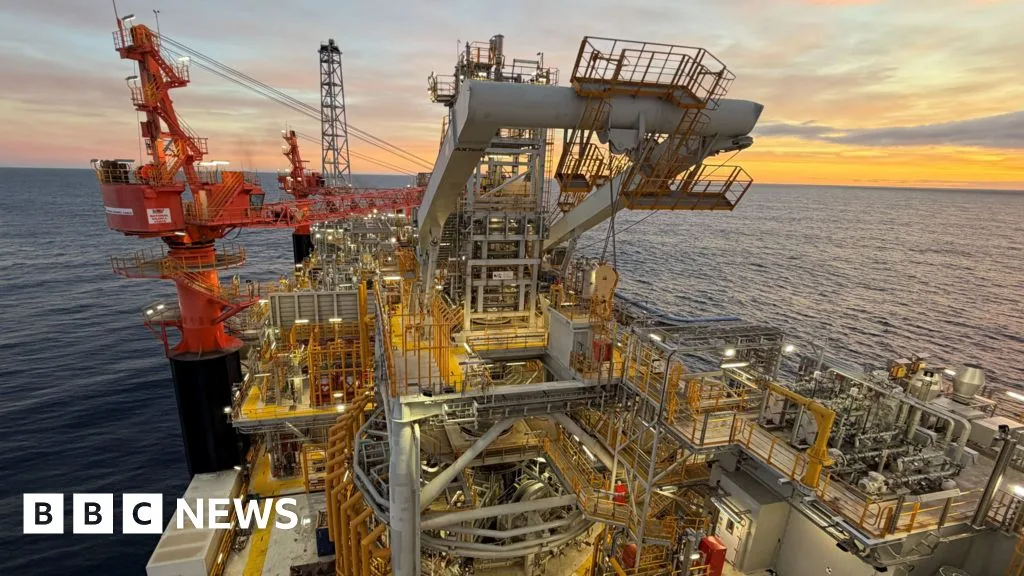
The Skynet 6 program will be the backbone of encrypted communications for the UK armed forces in the future. With space increasingly militarized, these satellites are designed to withstand attack and interference. The tender process began in May 2023, but the final decision has been delayed amid mounting pressure from various camps.
Lockheed Martin has offered to build an £85 million production facility at NetPark, Sedgefield, County Durham. The project promises 500 direct jobs and a supply chain for the northeast region, which has long felt sidelined from defense investment. Government data shows the Ministry of Defence spent nearly £8.5 billion on industry in southeast England last year, while only £200 million flowed to the northeast—the lowest per capita figure in the whole of the UK.
Members of Parliament from the northeast, especially Alan Strickland, whose constituency includes Sedgefield, are lobbying hard for the contract to go to Lockheed Martin. They argue their region has a strong military heritage and has developed a space industry ecosystem, including the North East Space Skills and Technology Centre (Nesst) at Northumbria University, which is partly funded by Lockheed Martin to the tune of £15 million. "We have a proud military heritage, but we receive less than 1% of total Ministry of Defence spending," Strickland said, stressing that this contract is a real opportunity to deliver growth that is spread evenly.
On the other side, the Unite union is defending the interests of its workers at the Airbus plants in Portsmouth and Stevenage. It warns that if Airbus loses, up to 3,000 jobs at the two sites are at risk. Similar concerns have arisen in Wales, regarding operations in Newport and Broughton. Unite even doubts Lockheed Martin's commitment to actually carrying out production in Sedgefield, accusing it of possibly doing most of the work in the United States. "Is this a promise that will be kept? Right now they haven't even put a spade in the ground to build the factory," said Peter Hughes, Unite's head of manufacturing.
"We don't want one job in the northeast won at the expense of five jobs elsewhere. That doesn't make sense," Hughes said, as quoted from his statement.
Unite also highlights the geopolitical risk if a sensitive contract is handed to a company headquartered in the US. It points to the case of Ukraine, where limited access to Elon Musk's Starlink satellite system at one point hampered military operations. However, Lockheed Martin's supporters dismiss the accusation as scaremongering. They stress that full control of the satellites will remain in the hands of the UK government, with no possibility of US intervention. Lockheed Martin UK, as a British entity, will have design authority and a British chief engineer.
The final decision is likely to have electoral consequences. The Airbus plants in Portsmouth and Stevenage are in constituencies won by the Labour Party in 2024 and will be targets for the Conservative Party in the next election. Meanwhile, in County Durham, the Reform UK party, which has controlled the county council since 2024, is also watching. Its deputy leader, Darren Grimes, called this a test of Burnham's promise. "This is a golden opportunity. The people of County Durham will ask why he broke his promise, and the northeast will once again feel like the forgotten part," he said.
As of the publication of this news, the Ministry of Defence would only say that the procurement process is still ongoing and that no final decision has been made. However, political pressure from both camps leaves Burnham facing what looks like a no-win scenario. Choosing Lockheed Martin means meeting demands for more evenly spread development, but risks losing support in the south. Conversely, keeping Airbus means protecting existing jobs, but disappointing an area that has long been loyal to the Labour Party. A decision is expected before the end of the year, and the British public will judge whether the promise of "growth in every postcode" is truly delivered or merely political rhetoric.