Mandelson Scandal: Lobbying Firm Shares Held While Serving as US Ambassador, Documents Reveal Conflict of Interest
Baca dalam 60 detik
- Lord Mandelson mempertahankan kepemilikan saham di Global Counsel selama delapan bulan pertama masa jabatannya sebagai Duta Besar Inggris untuk Amerika Serikat.
- Dokumen resmi yang baru dirilis mengungkap kekhawatiran pegawai negeri soal konflik kepentingan, namun penjualan saham bukan syarat penunjukan.
- Pemerintah Inggris berjanji memperketat proses vetting dan menunggu hasil investigasi polisi serta dua tinjauan independen.
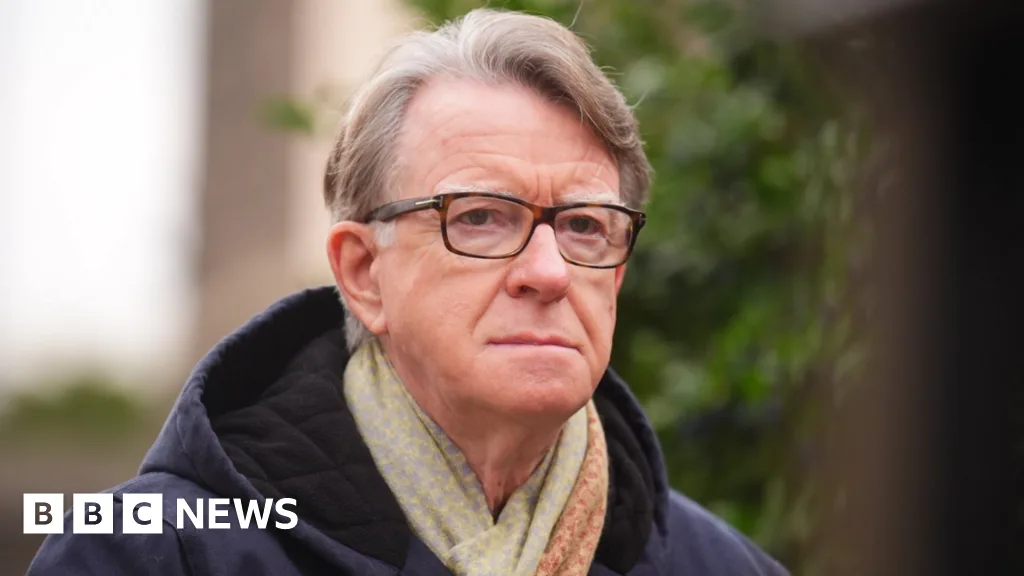
Lord Mandelson was still listed as a shareholder in the lobbying firm Global Counsel eight months after being appointed as the UK Ambassador to the United States. An 85-page document released by parliament reveals that the UK government had warned of a potential conflict of interest but still allowed the peer to retain his shareholding.
This document release is the third since MPs decided to open internal records about the Mandelson appointment process. Previously, the documents were withheld due to a Metropolitan Police investigation into allegations that Mandelson gave market-sensitive information to Jeffrey Epstein, a convicted sex offender who died in 2019. Mandelson himself was removed from his post last year by Prime Minister Keir Starmer after his closeness to Epstein came to light.
What makes the case more complicated, the documents show that selling Global Counsel shares was not a prerequisite for occupying the ambassador's seat in Washington. The government at the time was said to be very keen to place Mandelson as quickly as possible, so the conflict-of-interest oversight process was designed to be "light-touch". Sir Olly Robbins, who was later removed as Head of the Foreign Office, wrote in an email that the oversight mechanism could "run with a light touch".
The documents also reveal that Mandelson failed to sell his shares back to Global Counsel because the offered price was deemed not to reflect "fair value". Efforts to sell to other buyers also failed. As a result, he remained a shareholder and, during his tenure, tried to facilitate a meeting between Global Counsel and a key adviser to Donald Trump. He even sought advice from Global Counsel staff for a speech on Britain's role in the world.
An unnamed Global Counsel director suggested Mandelson use "warmer language" toward China and reduce "the parts that defend the Trump administration". He warned that public skepticism toward Washington was already so deep that it would be counterproductive if Mandelson appeared too admiring of Trump.
Closeness to Trump's circle is also evident from an email by a White House official in April 2025 who called the "Prince of Darkness" label attached to Mandelson "far from reality". Meanwhile, in domestic affairs, Mandelson sent a text message to Morgan McSweeney, Starmer's then Chief of Staff, in September 2025 to advise on a cabinet reshuffle. He suggested moving Darren Jones to the science and technology department as a way to "solve the Darren problem", although McSweeney only replied after the reshuffle decision was made and Jones instead received a new position as Chief Secretary to the Prime Minister.
Mandelson has not commented on the latest document release. He has repeatedly stated his belief that he committed no criminal offense, did not act for personal gain, and is cooperating with police. A Metropolitan Police spokesperson said the investigation into alleged misconduct in public office is still ongoing. To date, no criminal charges have been filed.
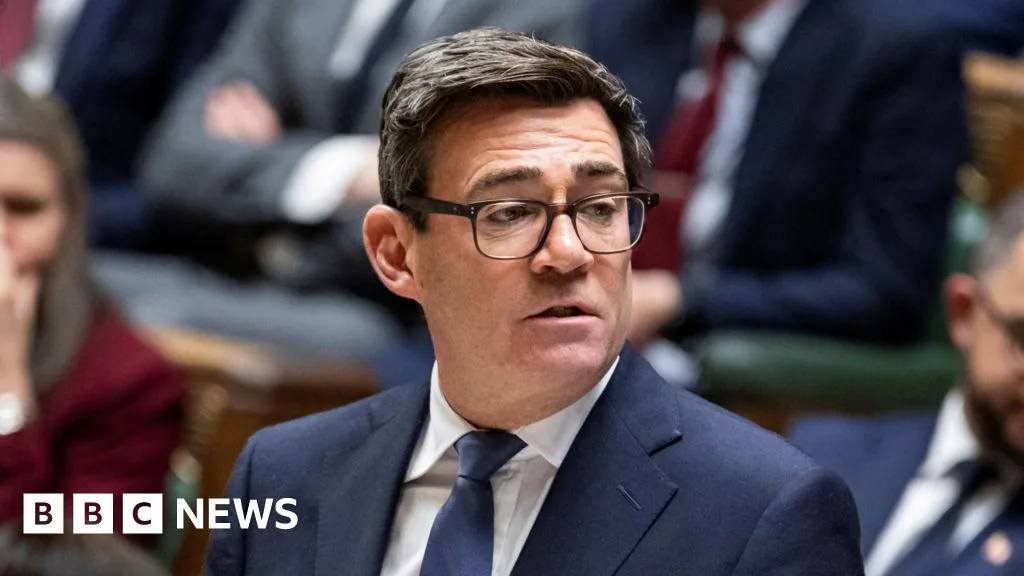
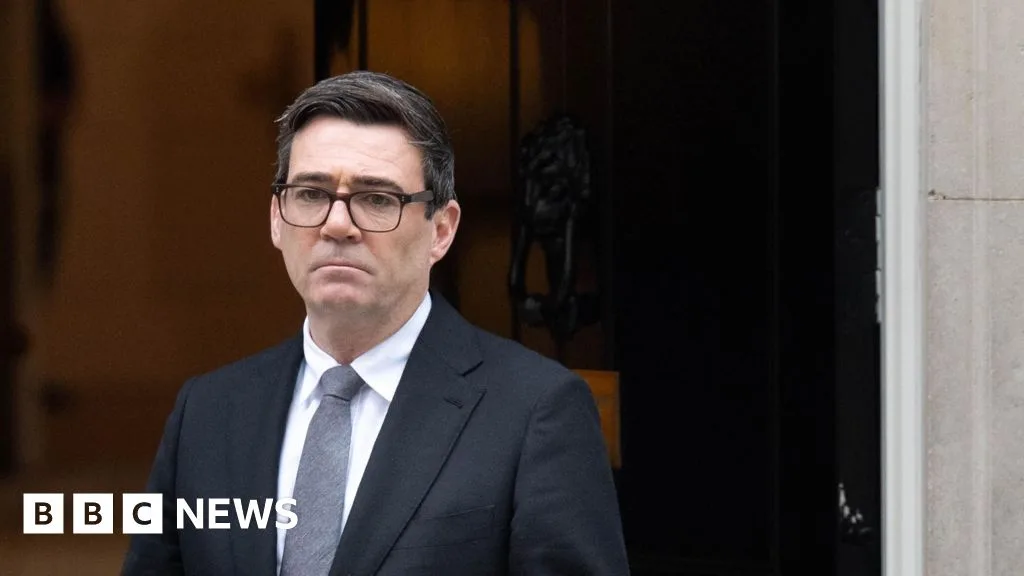
Amid political pressure, Prime Minister Andy Burnham promised to fix Westminster's political culture through a 10-year plan to be published next month. "I came back into this system as an outsider and saw many things that need to change to fix this country's political culture and strengthen the public interest," he said on the Downing Street page. Security Minister Dan Jarvis stressed that the government recognizes the need for action on the problems arising from Mandelson's appointment. He said the vetting and appointment process has been strengthened, including the management of conflicts of interest, and future appointments will not be made before security clearance is granted.
The case highlights a gap in the governance of senior official appointments in the UK, especially when private business interests intersect with diplomatic posts. The public now waits to see whether the Fulford and Finkelstein reviews will produce stricter rules, and whether the police investigation will lead to charges. The question is, will the political culture reform promised by Burnham be able to close the gap that has allowed an ambassador to retain shares in a lobbying firm while in office?