UK Net Migration Plunges to 77,000, Lowest Since 1997: Control or Consequence?
Baca dalam 60 detik
- Angka migrasi neto Inggris turun tajam menjadi 77.000 pada tahun hingga Juni 2025, level terendah sejak 1997 di luar periode pandemi.
- Penurunan didorong oleh kebijakan visa yang lebih ketat dan peningkatan emigrasi, memicu perdebatan politik antara klaim keberhasilan pemerintah dan kritik oposisi.
- Dampak jangka panjang terhadap ekonomi dan sektor publik masih menjadi pertanyaan, sementara tekanan politik untuk kebijakan imigrasi yang lebih ketat terus meningkat.
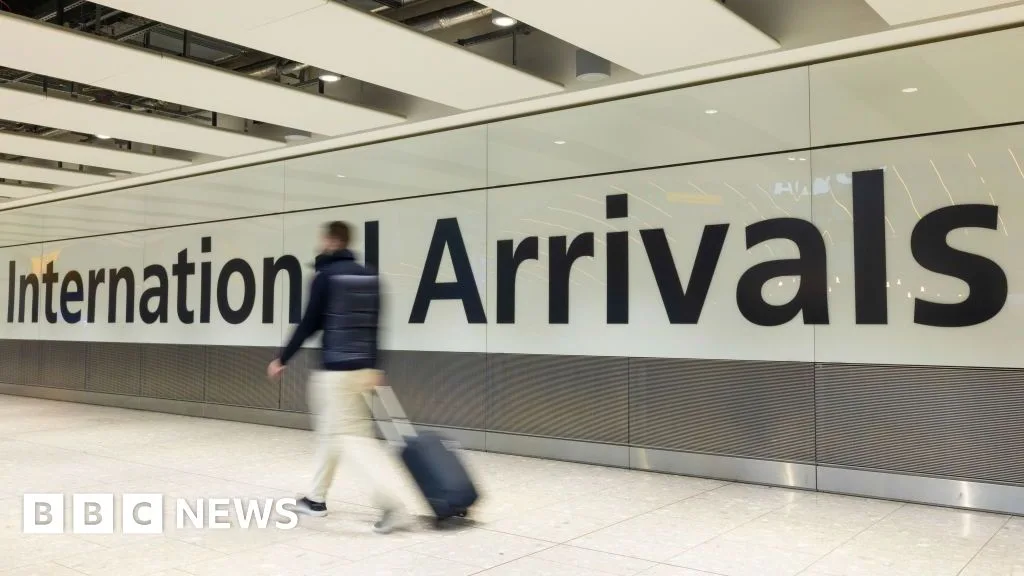
The UK Office for National Statistics (ONS) reported that the country's net migration fell to 77,000 in the year ending June 2025—the lowest figure since 1997, apart from the 2020 global travel restrictions. The decline marks the end of the post-Brexit migration surge that peaked at a record 944,000 in the year to March 2023, or a 92% drop over the past two years. For the British public, the data answers a long-standing political promise about control over the borders, but it also raises new concerns about the country's economic appeal.
Prime Minister Andy Burnham cited the figure as evidence that his government now has "sufficient levels of control" over the migration system. "I wouldn't say the job is done, and I don't want to sound complacent, but I think as a country we are finally in the position the public has long wanted," he said. The claim was immediately countered by Home Secretary Shabana Mahmood, who asserted that the Labour Party had "delivered" what the Conservative Party failed to do. However, the shadow Home Secretary from the opposition, Chris Philp, insisted that the decline was the result of visa restrictions introduced by his party before the 2024 election.
ONS data show that of the 738,000 people who entered the UK, 661,000 left, leaving net migration at just 77,000. The largest declines occurred in three main categories: work arrivals fell by 45,000, asylum claims fell by 19,000, and the number of students fell by 33,000. The visa tightening policy that began under the Conservative government and was continued by Labour from July 2024 was the main trigger, compounded by a rising number of foreign nationals leaving the UK—including those who arrived when migration was high a few years ago.
Behind the numbers lies a structural shift. Since Brexit, the UK has lost free movement with the European Union and relies on migration from non-European countries. The large wave dubbed "Boriswave"—a reference to Boris Johnson's loose policy—is now being reversed through strict visa restrictions. Nevertheless, economists warn that a sharp drop in net migration could worsen labor shortages in the health, hospitality, and agriculture sectors. Dr Ben Brindle of the Migration Observatory at the University of Oxford assessed, "We are entering an unusual period in which immigration is falling and may still fall further—but emigration remains relatively high. That could push net migration even lower next year, but this decline is unlikely to last forever."
The government also claims success in handling asylum. The number of asylum seekers awaiting a decision fell 49% to 41,000 in September, while the number of people housed in hotels dropped 64% to 13,000, with 52 hotels emptied. The decline was driven by faster decision-making and fewer arrivals via illegal routes, especially small boats in the English Channel. However, the opposition Reform UK party called the figures "no cause for celebration" and called for legally binding annual migration caps. Meanwhile, the Liberal Democrats highlighted the need for an immigration plan that supports the economy and public services, and the Green Party criticized the harsh narrative toward migrants.
"We are entering an unusual period in which immigration is falling and may still fall further—but emigration remains relatively high. This decline is unlikely to last forever." — Dr Ben Brindle, Migration Observatory at the University of Oxford
For Indonesia, the decline in UK net migration could affect demand for skilled labor from abroad, including the health and hospitality sectors that have long been destinations for Indonesian migrant workers. Stricter visa policies could narrow opportunities, but on the other hand, fewer global migrants could also open space for local UK workers—which in turn would reduce remittance flows to Indonesia. The Indonesian government needs to monitor this dynamic, especially bilateral agreements on labor placement that may be affected by the direction of UK immigration policy going forward.
Looking ahead, the question is whether this downward trend will continue or reverse once economic pressures ease. The UK government stands at a crossroads: maintaining strict control to meet political demands, or loosening policy to fill labor gaps. Meanwhile, opposition parties continue to demand tighter restrictions, while experts warn that a sharp drop in net migration could have long-term consequences for economic growth and the sustainability of public services. The British public now waits to see whether the promise of "control" will yield prosperity, or instead become a demographic boomerang.