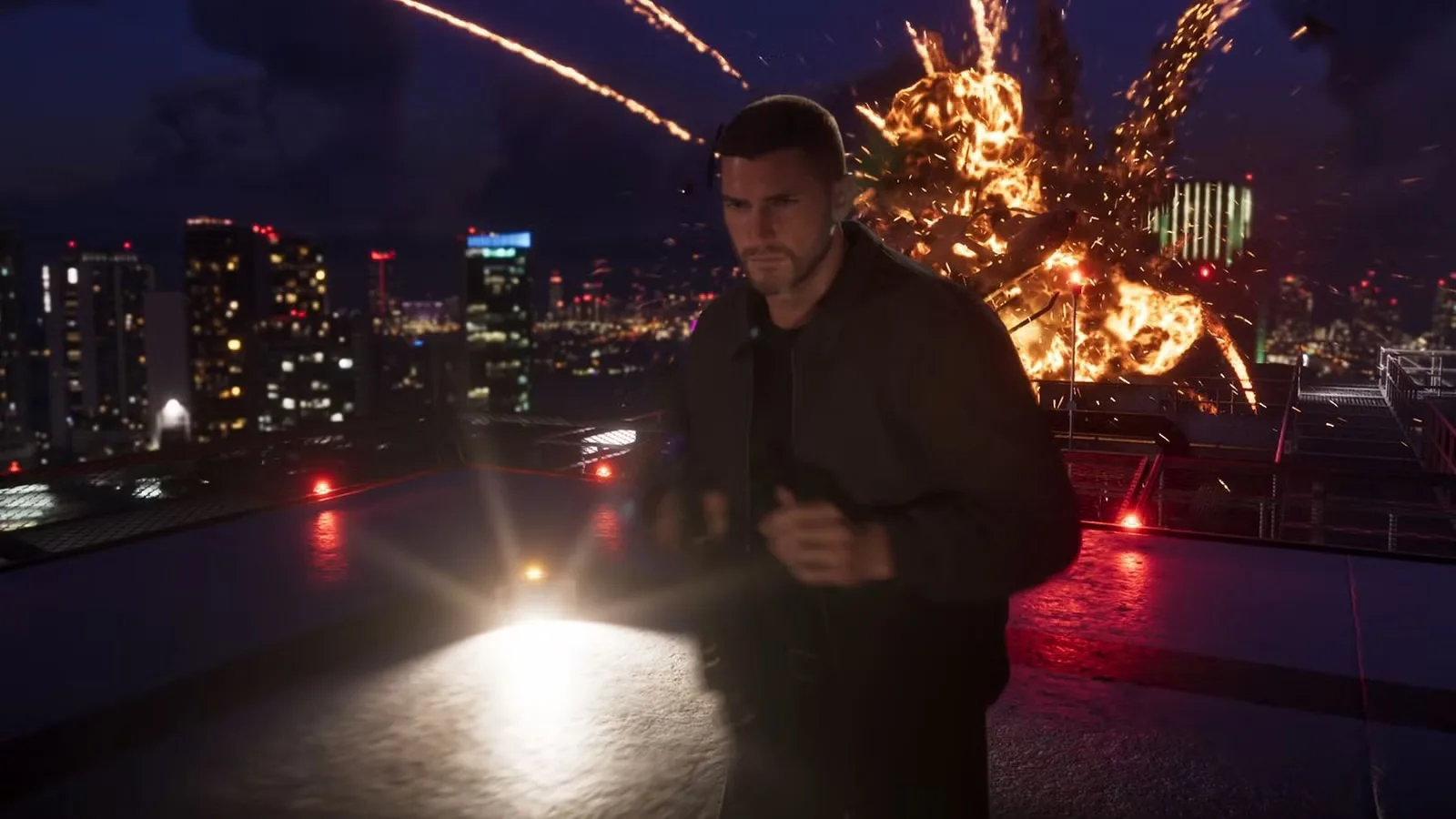
David Fincher Admits Using AI in New Film, Sparks Cinema Ethics Debate
Baca dalam 60 detik
- David Fincher terbuka soal pemanfaatan kecerdasan buatan dalam pascaproduksi The Further Mis-Adventures of Cliff Booth.
- Pendekatan ini memangkas waktu syuting tambahan dan memungkinkan penyempurnaan detail tanpa pengambilan ulang adegan.
- Kontroversi muncul setelah tuduhan penggunaan AI generatif yang lebih kasat mata, memicu diskusi tentang batas antara efisiensi dan otentisitas karya.
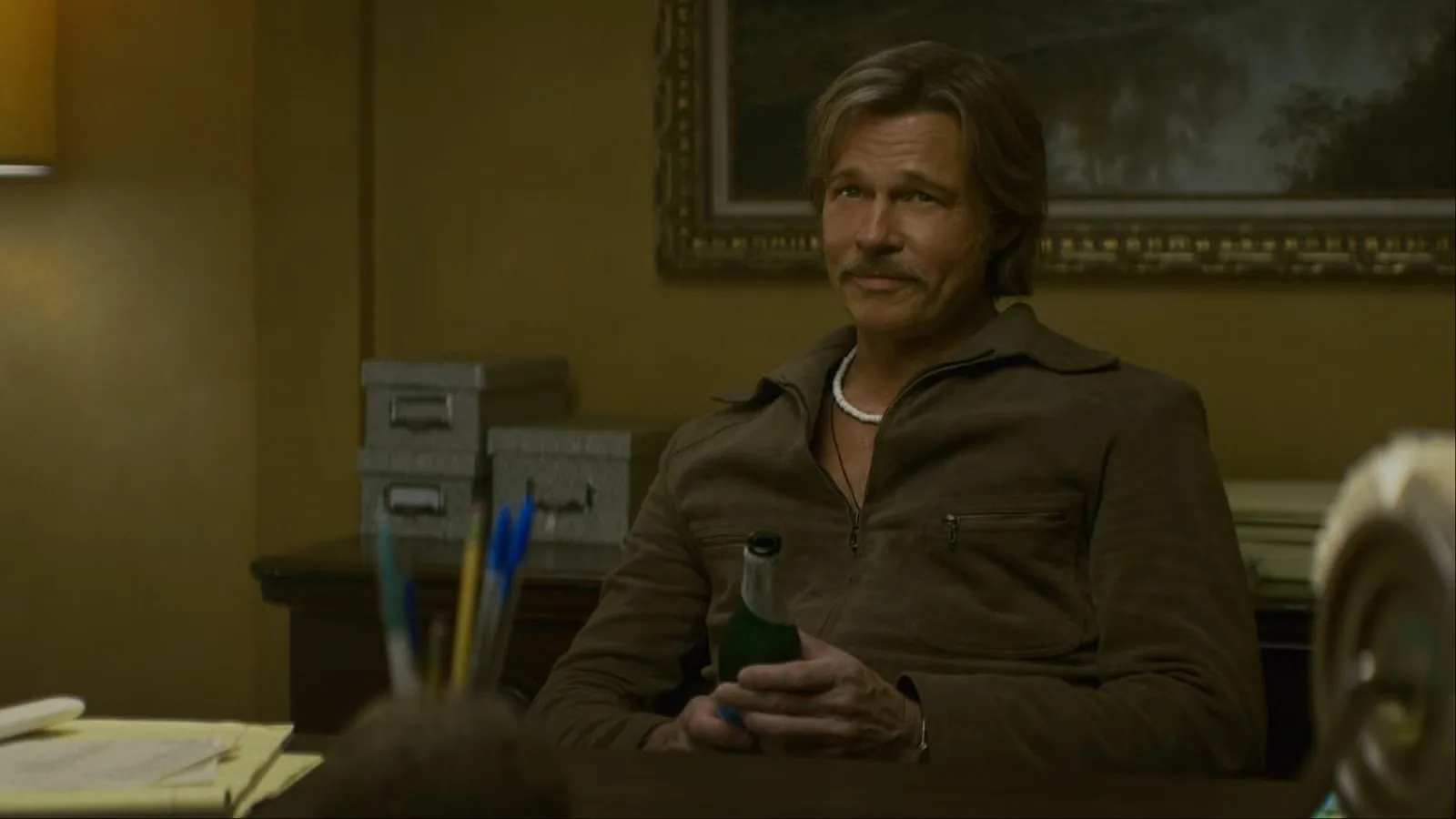
David Fincher, a director known for his perfectionism, has openly admitted that he used artificial intelligence (AI) tools in the post-production stage of his latest film, The Further Mis-Adventures of Cliff Booth. He made the admission on The Ringer's The Big Picture podcast, immediately sparking debate over how far generative technology may enter cinema's creative space.
The film is a follow-up to Quentin Tarantino's Once Upon a Time... in Hollywood (2019), with Tarantino this time serving only as screenwriter. Tarantino chose not to direct because he wanted his tenth project—widely described as his final film—to be something bigger. The director's chair went to Fincher, known for Se7en, Fight Club, and Gone Girl. The switch is said to give the film a denser noir feel, but it also brings unavoidable technical consequences.
In the interview, Fincher explained that AI helped him achieve creative focus and fix small imperfections without having to reshoot scenes. Where he once might have asked actors to go through dozens of takes, now he only needed to keep the cast for four to five extra days to re-record dialogue. After that, he synced "the best visually" with "the best aurally" to create a single perfect take. "It's all still based on real people," Fincher stressed, adding that actors only needed to perform a scene 15 times, not 50.
Fincher's admission, however, has not fully reassured the public. Before the interview circulated, accusations emerged that the film used generative AI overtly, such as a carriage scene with horses positioned on the wrong side. Although Fincher stressed that AI was used only to fix small flaws—for instance, ensuring hair did not cover the eyes—the accusations show that the line between subtle correction and major manipulation can blur. In a separate interview with the Los Angeles Times, Fincher was pragmatic: "The technology exists. Should we not use it?"
The statement reflects the stance of a generation of filmmakers who see AI as a tool, not a threat. For some, however, the use of generative AI in film production raises ethical questions: how far can a work of art still be called authentic if its elements are generated or corrected by a machine? Fincher argues that the foundation of his work remains human movement—the way an actor walks, pulls a chair, or takes off a coat—things he says AI cannot replicate. "People just need to do it 15 times," he said, framing AI as an aid, not a replacement.
In Indonesia, discussion of AI in the film industry is beginning to surface, especially among young filmmakers and production houses seeking cost efficiency. Technologies such as deepfake and voice cloning have been used in several advertising and short film projects, though regulations setting their limits remain unclear. Using AI for post-production—such as dialogue repair or lip sync—could be a more accepted entry point, provided it is transparent and does not strip actors of their rights. Without firm guidelines, however, the practice risks copyright disputes and conflicts over creative labor pay.
Going forward, The Further Mis-Adventures of Cliff Booth will be an important case study: will audiences accept AI as part of the craft of filmmaking, or reject it as a form of cheating? The film is now showing in IMAX theaters and will be available on Netflix from 23 December. The public will judge for itself whether the AI touch truly enriches the story, or instead erodes the magic of cinema that has long been built on human sweat.