Ben Solo Film Project Scrapped, Adam Driver and Steven Soderbergh Went Unpaid
Baca dalam 60 detik
- Adam Driver mengungkap bahwa ia dan Steven Soderbergh menggarap film Star Wars spin-off berjudul The Hunt for Ben Solo tanpa bayaran.
- Proyek tersebut mendapat lampu hijau dari presiden Lucasfilm Kathleen Kennedy, tetapi ditolak eksekutif Disney karena alasan karakter Ben Solo sudah mati.
- Kegagalan ini menyoroti risiko kreatif di balik janji lisan di industri hiburan, sekaligus mempertanyakan konsistensi logika naratif waralaba Star Wars.
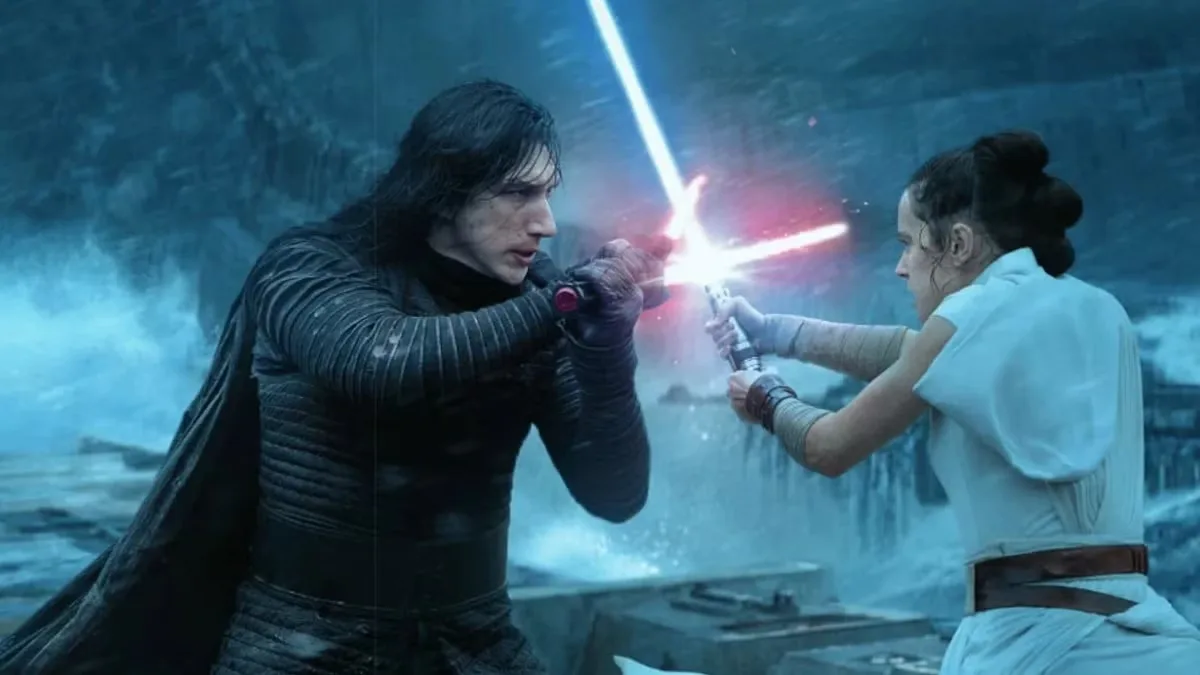
Adam Driver and Steven Soderbergh spent months developing a Star Wars film titled The Hunt for Ben Solo without receiving a fee. The project was ultimately shut down by Disney, leaving both without any compensation.
In an interview on the Talk Easy podcast with Sam Fragoso, Driver revealed that former Lucasfilm president Kathleen Kennedy gave assurances that Disney would approve the project. That confidence led Driver and Soderbergh to work without pay. "We did it because we loved the idea so much," Driver said, as quoted from the conversation.
However, that hope faded. Although Kennedy, vice president Cary Beck, and Dave Filoni were interested, Disney executives Bob Iger and Alan Bergman rejected the project. The reason for the rejection was the impossibility of bringing back Ben Solo, who died in Star Wars: The Rise of Skywalker. The decision drew criticism because the Star Wars franchise has often brought back dead characters, such as Darth Vader and Anakin Skywalker, through various means.
Driver also stressed that the project will never come to fruition. "There's no more Star Wars. We tried to make another one, but they said, 'No, he's dead,'" he said on The Rich Eisen Show earlier this month.
"Soderbergh did it without pay because we were given a lot of confidence. Kathy said we had a 100% approval rate. We worked, nobody paid us. The only reason we did it was because we loved the idea so much." — Adam Driver
This story is not merely about a failed project; it also reflects the power dynamics in Hollywood. Verbal promises from senior executives are often not strong enough to withstand business decisions at the corporate level. Driver and Soderbergh, known as influential figures, remain vulnerable to sudden policy changes. The Indonesian film industry can take a lesson: the importance of written contracts and clarity of funding from the outset, especially for projects involving major franchises.
In addition, this failure highlights the narrative inconsistency within the Star Wars franchise. The public has long accepted the return of dead characters, making Disney's reason for rejection feel odd. If a character like Palpatine can be revived, why not Ben Solo? This question shows that creative decisions in major franchises are often determined more by business considerations and internal politics than by story logic.
Going forward, the future of the Ben Solo character looks bleak. However, this behind-the-scenes story serves as a reminder that in the entertainment industry, passion and dedication alone are not enough. Legally binding agreements and clear financial backing are required. Will Lucasfilm or Disney ever change its mind? Or will this story become a bitter lesson for creators who put too much trust in executives' sweet promises?