David Fincher Nearly Became 'Rings of Power' Showrunner, Turned It Down as Corporate Extension
Baca dalam 60 detik
- David Fincher mengaku pernah ditawari menjadi showrunner serial 'The Lord of the Rings: The Rings of Power' sebelum proyek diambil Amazon.
- Penolakan didasari pandangan bahwa proyek tersebut hanyalah perpanjangan kepentingan korporasi, bukan ruang ekspresi sineas.
- Fincher juga mengungkap hampir menggarap film Batman pada 1990-an dan sempat berdialog dengan Lucasfilm soal Star Wars.
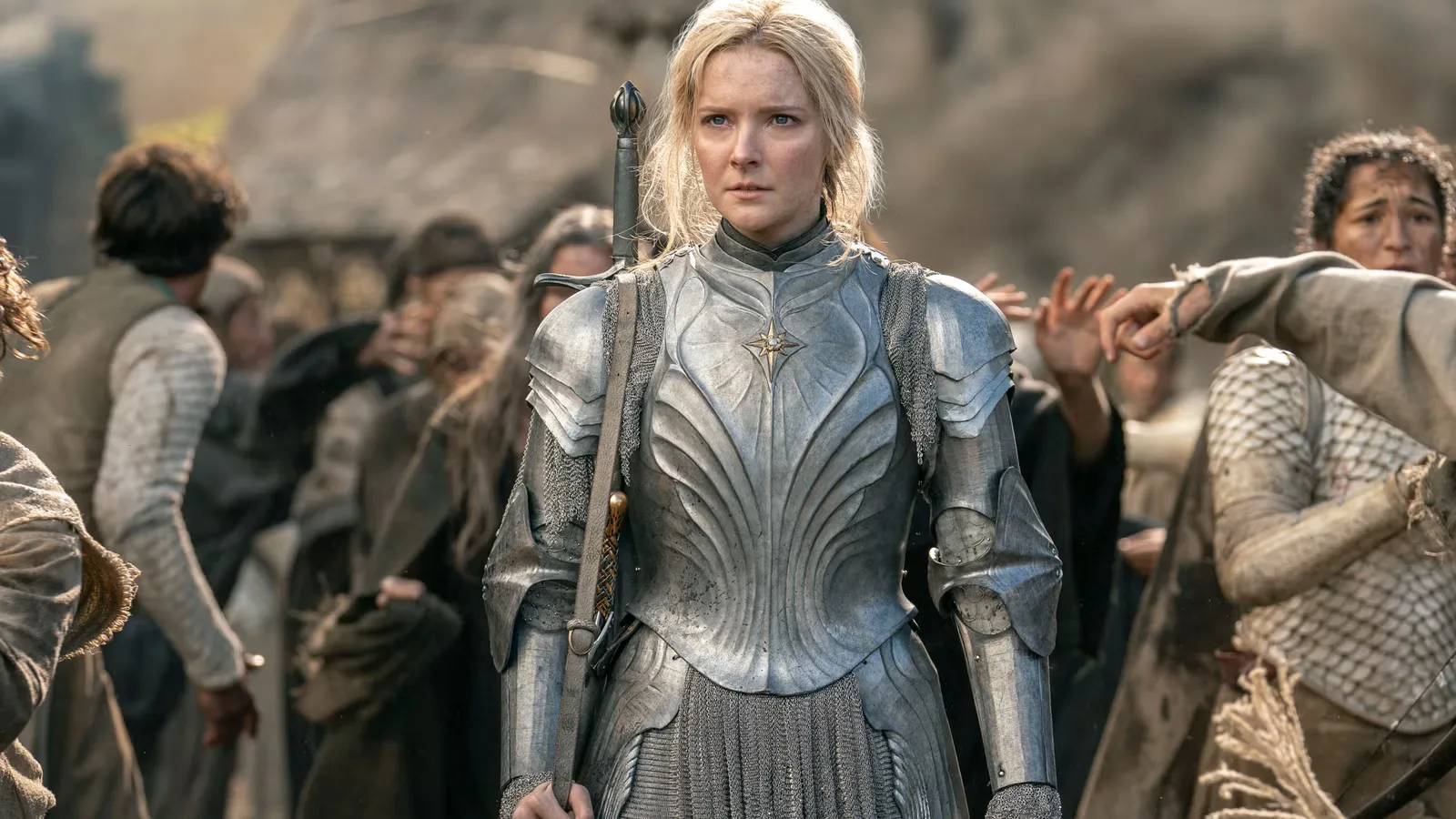
David Fincher, the director behind Seven and The Social Network, revealed that he was once offered the showrunner position for The Lord of the Rings: The Rings of Power before Amazon officially took on the project. The admission came in an interview on the Happy Sad Confused podcast with Joshua Horowitz, while Fincher was promoting his latest film, The Further Mis-Adventures of Cliff Booth. Fincher described the offer as one of the big opportunities he passed up, but for a very principled reason.
According to Fincher, the offer came while the adaptation of J.R.R. Tolkien's epic was still in development and had not yet received a green light from Amazon. He felt the project did not align with his vision as a filmmaker. "I felt it was just an extension of corporate interests," he said on the podcast. The rejection reflects how a director with a strong track record chose to preserve independence amid a wave of consolidation in the entertainment industry.
Fincher did not stop there. He also highlighted the increasingly challenging state of the film industry for filmmakers. He cited a "terrifying narrowing of the business" today, pointing to the merger between Paramount Skydance and Warner Bros. Discovery. According to him, the situation makes efforts to protect individual voices in cinema even harder. He even touched on James Gunn's position as co-head of DC Studios, which was recently replaced, and said he would not want to be in a similar position.
In the same interview, Fincher revealed that in the 1990s he was once asked to present a concept for a Batman film. The project never came to fruition, but he imagined his version would be darker and similar to Matt Reeves' The Batman. Fincher also named Michael Keaton as his favorite actor to play Batman. Furthermore, he said he had spoken with Kathleen Kennedy about the possibility of taking Lucasfilm public before it was sold to Disney. "I was very interested in the idea of Star Wars," he recalled. However, all those plans fell through along the way.
"I felt it was just an extension of corporate interests." — David Fincher
Fincher's story is not merely a footnote in Hollywood history. In Indonesia, a similar phenomenon is beginning to be felt. Global streaming platforms increasingly dominate content production, while local production houses face pressure to adapt to corporate market tastes. Nevertheless, the Indonesian film industry shows positive momentum with the emergence of original works that dare to take creative risks. The question is, will Indonesian filmmakers be able to preserve their individual voice amid the strong current of big capital?
Going forward, Fincher's choice serves as a reminder that behind the glitter of billion-dollar projects, there is a price to pay for artistic integrity. Will the global entertainment industry be increasingly dictated by corporations, or on the contrary, will a new wave of filmmakers emerge who refuse to bow to capitalist interests? Time will tell, but Fincher's trail has provided one example of a stance.