Racial Threats Against Kemi Badenoch: Kent Man Jailed for 20 Weeks, Judge Says Offender Knew Victim's Identity
Baca dalam 60 detik
- Kieran Kyle (43) divonis 20 minggu penjara setelah mengirim surel bernada rasial dan ancaman pembunuhan kepada Ketua Partai Konservatif Inggris, Kemi Badenoch.
- Majelis hakim menolak dalih pelaku yang mengaku tidak mengenal Badenoch, karena ia lebih dulu mencari data suami korban sebelum melancarkan teror.
- Kasus ini menyoroti meningkatnya intimidasi terhadap politisi, dengan Badenoch menegaskan serangan semacam itu merusak ekosistem demokrasi.
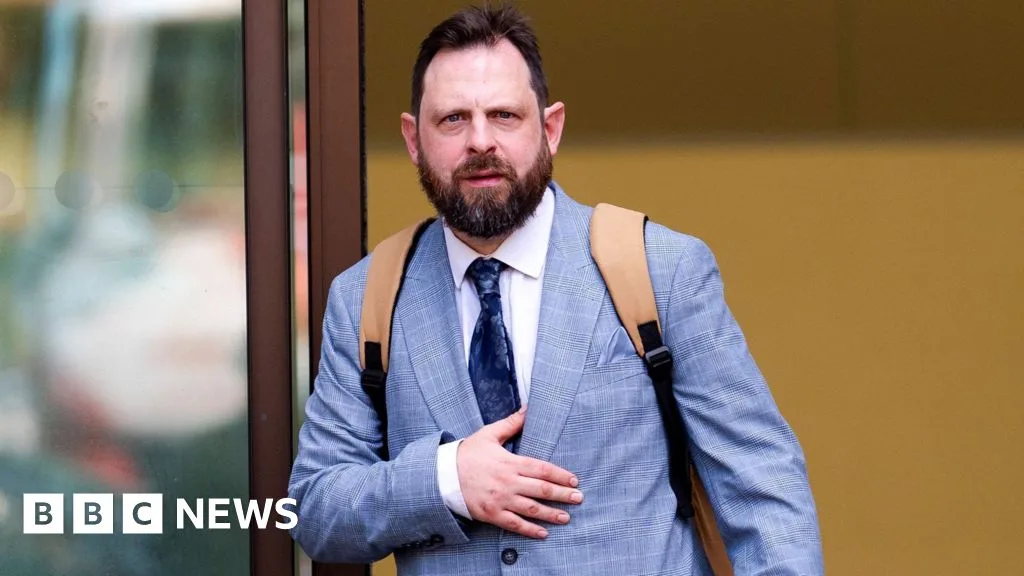
Kieran Kyle, 43, was sentenced to 20 weeks in prison by Westminster Magistrates' Court after being found to have sent three emails containing death threats and racial abuse to the leader of the UK Conservative Party, Kemi Badenoch. The verdict was read on Monday (6/10), several weeks after the man from Gillingham, Kent, pleaded guilty to two charges of sending indecent and offensive communications.
The trial revealed that the emails were sent on 2 May, the same day Badenoch issued a public apology over a social media clip that wrongly included footage of Bloody Sunday. Kyle, who claimed to be a former IRA member, wrote a specific threat: "Your reference to Bloody Sunday will get you into trouble." He also sent a demeaning message to Badenoch's husband, Hamish, on 29 April, using racial terms and asking the husband to "put a leash" on his wife.
Prosecutor Ben Holt said the Badenochs suffered severe psychological strain, particularly because of the racial language and threats of violence used. Badenoch's parliamentary office chief, Cheryl Bacon, described the contents of the emails as disgusting and painful to read. In a victim impact statement read in court, Badenoch and her husband stressed that their main focus was not personal suffering but the wider impact of malicious communication and targeted terror on democratic life.
Kyle's defence lawyer, Baiju Thittala, argued that his client did not know Badenoch's identity when he sent the messages and only realised it after searching the name on a search engine. But the judge rejected that argument. "The first email was sent to Mr Badenoch, so I do not believe he did not know who Mrs Badenoch was. He clearly looked up the victim's husband's details first," the judge said, as quoted from the trial.
The ruling adds to a growing list of intimidation cases against British politicians in recent years. Badenoch, who serves as Shadow Secretary of State for International Trade, is among the figures frequently targeted by online attacks because of her position as a Black woman at the top of the party. In the victim statement, she and her husband highlighted that public service is increasingly repaid with hostility and attempts at silencing. "When individuals choose to intimidate, threaten, or aggressively attack elected representatives, the harm goes far beyond one person. It damages healthy democracy," they wrote.
For Indonesia, this case is a mirror of how hate speech and online threats against public officials often escape legal attention. Although Indonesia has the ITE Law governing hate speech, its enforcement is often seen as selective and has yet to address systematic patterns of intimidation against politicians. The English court shows that even verbal threats can lead to criminal charges when backed by strong evidence and measurable psychological impact.
"When individuals choose to intimidate, threaten, or aggressively attack elected representatives, the harm goes far beyond one person. It damages healthy democracy." — Kemi Badenoch and Hamish Badenoch in their victim impact statement.
What sets this case apart from ordinary hate speech is the Bloody Sunday context Kyle used to amplify the threat. The 1972 incident, which killed 13 demonstrators in Londonderry, still carries deep wounds in Northern Ireland, and Badenoch's effort to correct a clip that wrongly used that footage was instead exploited by the offender to strike back. The judge found that Kyle composed the threats deliberately, not spontaneously, because he had first gathered information about the victim's husband.
Going forward, the question is how far the English justice system will treat online threats against politicians as serious crimes rather than minor offences. With a 20-week sentence and a five-year contact ban, the signal is clear: verbal terror against people's representatives will not be tolerated. But for many other politicians who experience the same thing, real protection still depends on the courage to report and the speed of the authorities' response. Will this verdict become a precedent, or merely an episode amid rising political aggression?