Mahmood Softens on Care Workers, but the Shadow of 'Goalposts' Still Haunts Migrant Workers
Baca dalam 60 detik
- Pemerintahan Burnham merevisi aturan settlement: pekerja sosial care yang tiba sebelum Mei 2025 dan berpenghasilan minimal £25.000 bisa mengajukan permukiman dalam lima tahun.
- Konsesi ini memangkas jumlah pekerja care yang terdampak dari 800.000 menjadi 500.000, namun prinsip retroaktif yang dikritik Angela Rayner sebagai 'un-British' tetap dipertahankan.
- Partai Konservatif menuding Mahmood melakukan U-turn besar, sementara mayoritas anggota parlemen Buruh memilih menahan kritik meski masih ada kekhawatiran di tingkat akar rumput.
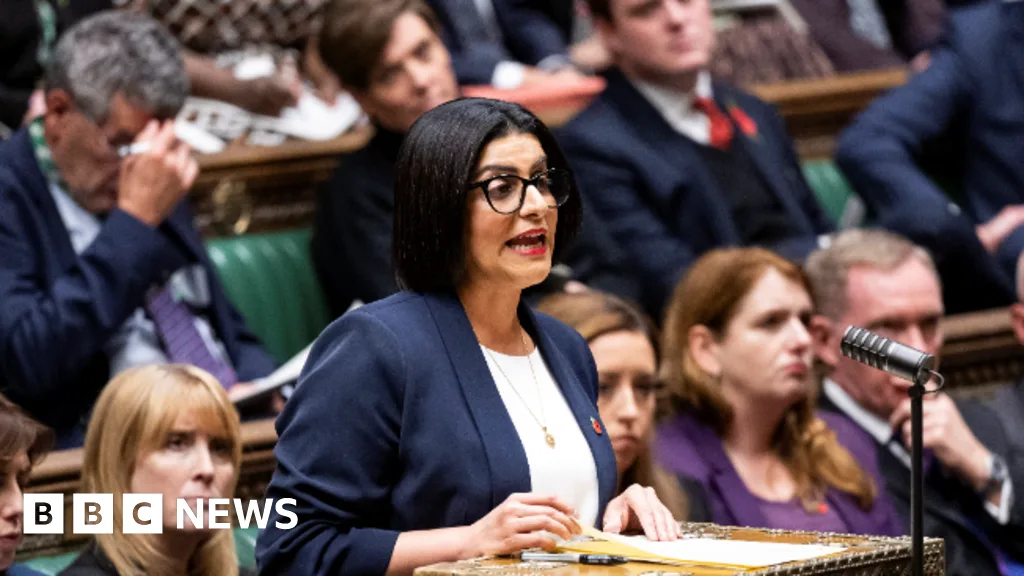
UK Home Secretary Shabana Mahmood finally gave in to internal party pressure and revised the settlement rules for care workers on Tuesday (14/10/2025). The decision marks the first compromise by Prime Minister Andy Burnham's government in the face of a revolt by Labour MPs who consider the immigration policy too harsh and unfair.
The change announced in the House of Commons targets two crucial points: care workers who arrived in the UK before May 2025 and earn at least £25,000 a year are now entitled to apply for settlement after five years, rather than waiting up to 15 years as originally planned. As a consequence, the number of care workers whose settlement path is delayed falls from around 800,000 to 500,000.
However, Mahmood insisted on keeping the retroactive element—a rule that forces those who have long lived and worked in the UK to wait longer than initially expected. This is what Housing Minister Angela Rayner had previously criticized sharply as "un-British" and a form of unfair "goalpost" shifting. Rayner even repeated that criticism at the Labour party conference last September, signaling that the debate at cabinet level is still smoldering.
Although the revision is significant, most Labour MPs chose to hold back while Mahmood spoke. The harshest criticism came from Rachael Maskell, who consistently rejects the retroactive principle, while John McDonnell and Diane Abbott raised objections without a sharp tone. Outside the chamber, the mood was similar: an internal critic acknowledged that concerns remain but judged that Mahmood had managed to "draw the political sting" for now.
"The campaign by MPs and trade unions has produced a major victory for care workers, but we are still waiting for complaints from constituents affected by the new rules," said a source within the Labour Party.
Relief also came from inside Number 10. A source in the prime minister's office praised Mahmood's performance as "take no prisoners" and said she had managed to "find the right balance". However, the Conservative Shadow Home Secretary, Chris Philp, launched a counterattack, accusing Mahmood of a major U-turn. He brought up Mahmood's earlier statement that speeding up settlement for care workers could cost the UK up to £10 billion.
In an interview with the BBC, Mahmood declined to answer how much the easing would cost fiscally and did not confirm whether Burnham had directly asked her to revise the policy. Those difficult questions will continue to loom in the weeks ahead.
For Indonesia, this policy revision deserves attention because the UK is one of the main destinations for Indonesian migrant workers in the care sector. Any easing of settlement requirements can extend stays and increase remittances, but the retroactive principle remains a risk that must be anticipated in placement planning. The Indonesian government is encouraged to keep monitoring the development of technical rules at the Home Office level so that prospective migrant workers receive accurate information.
Going forward, Mahmood still has to face attacks from the opposition and potential protests from constituents who feel disadvantaged. Will this compromise be enough to calm the Labour Party, or will it instead open a new chapter in the debate over the fairness of the UK immigration system?