US Heats Up: DOJ Asks Supreme Court to Block Counting of 20,000 California Ballots
Baca dalam 60 detik
- Pemerintahan Trump mengajukan permohonan darurat ke Mahkamah Agung agar California menunda penghitungan sekitar 20.000 surat suara yang status kewarganegaraannya dipertanyakan.
- Langkah ini mencuat sehari sebelum hari pemungutan suara, setelah Pengadilan Banding Sirkuit ke-9 menolak upaya DOJ membatalkan putusan hakim distrik yang mengizinkan penghitungan.
- Implikasi hukumnya bisa menjadi preseden bagi pembatasan akses memilih di negara bagian lain, sementara Mahkamah Agung belum menetapkan tenggat waktu untuk memutus.
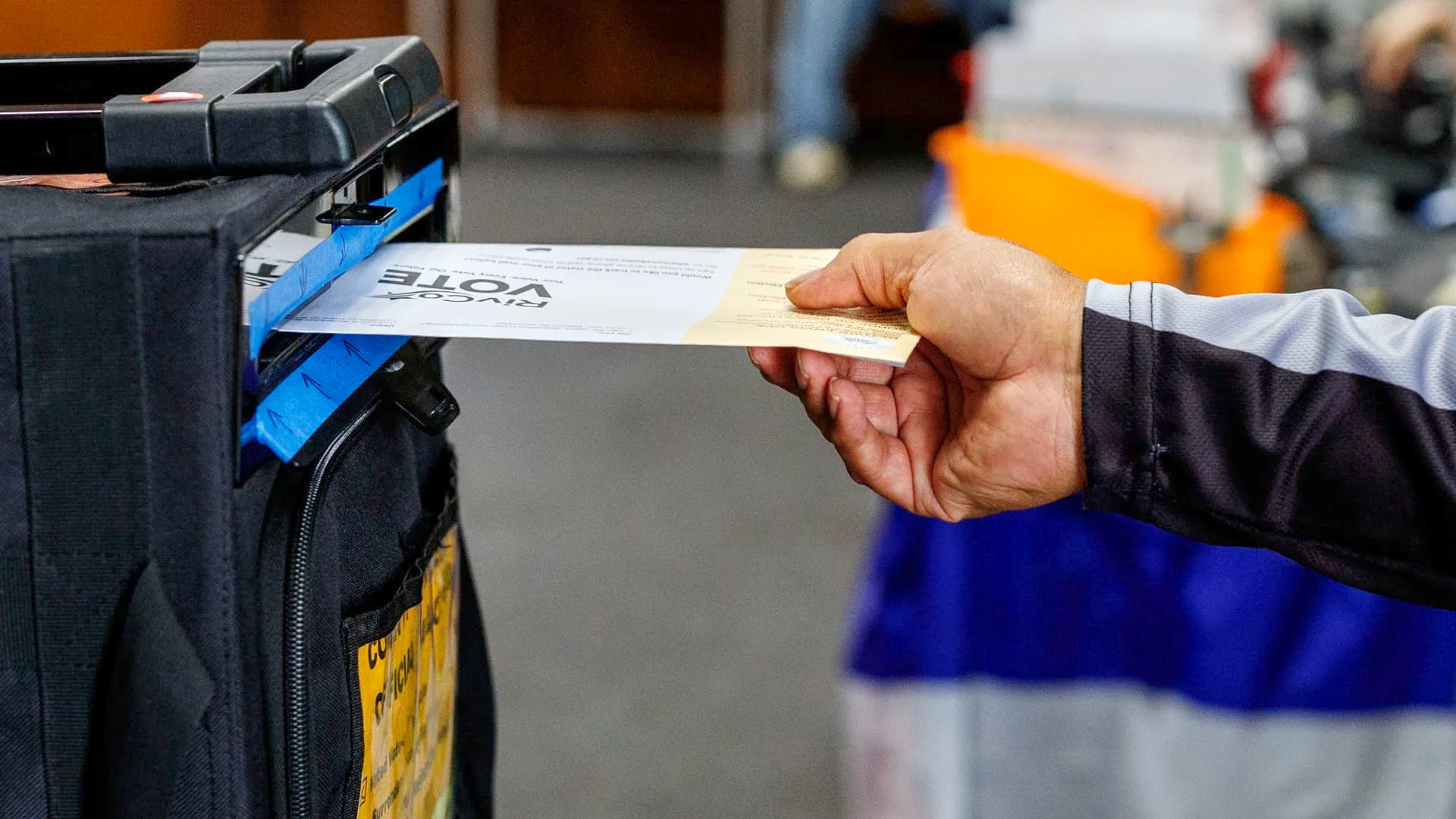
The US Department of Justice (DOJ) on Monday (2/11) filed an emergency application with the Supreme Court asking it to order California to temporarily halt the counting of about 20,000 mail-in ballots that the federal government alleges came from non-citizen voters. The application was filed just one day before the national voting day, marking the highest escalation in the legal dispute ahead of the midterm elections that will determine control of Congress.
Acting Solicitor General D. John Sauer, who represents the government in the case, said his side had a strong basis to win at the appellate level. He argued that the United States suffered a “sovereignty injury” from the state's alleged violation of the law. “Once California mixes the challenged ballots with valid ballots, there is no way to separate them again,” Sauer said in the application, as quoted by CNBC.
The Supreme Court application came three days after the 9th Circuit Court of Appeals rejected the DOJ's appeal in a 2-1 vote. The panel of judges consisting of Mark Bennett (appointed by President Trump) and Gabriel Sanchez (appointed by President Biden) ruled in the majority that granting the government's request risked causing disenfranchisement. “There is a material risk that granting the requested relief will result in disenfranchisement,” the ruling said.
The case began when the DOJ sued California on 15 October in the Federal District Court in Los Angeles. The lawsuit asked that state election officials not count mail-in ballots from “possible non-citizens” until their citizenship status was confirmed. The DOJ even handed over a flash drive containing the names of alleged non-citizen voters to Los Angeles County officials. However, Judge David Carter rejected the request last Wednesday on the grounds that the federal government had no legal basis to interfere in state election procedures.
“Never before in American history has the federal government, on the eve of an election, sought to force states and local governments to abandon their constitutional election procedures and submit to the will of the Executive Branch,” Carter wrote in his ruling.
The DOJ's move is not the only federal intervention in the electoral arena. On Sunday, a federal judge rejected a DOJ lawsuit seeking to block certification of the Senate election results in Alaska if the Republican incumbent, Dan Sullivan, lost by a margin that might have been caused by voter confusion over another candidate with the same name. The DOJ is appealing that ruling. The pattern shows that the Trump administration is increasingly aggressive in using legal instruments to oversee the conduct of elections in various states.
For Indonesia, this development mirrors how election legal disputes in a major democracy can affect public trust in the integrity of the democratic process. The tension between the federal government and states in the US is often a reference point for debates on regional autonomy and central authority in election administration. Although Indonesia's legal system is different, the principle that election disputes must be resolved through transparent and impartial mechanisms remains relevant. Global investors and market players are also watching US political stability ahead of the midterm elections, because the outcome will determine the direction of fiscal and regulatory policy that affects emerging markets, including Indonesia.
The Supreme Court now holds control over the heated political tension. There is no official deadline for the justices to rule, but every hour that passes brings the actual vote-counting process closer. If the Supreme Court sides with the DOJ, a bad precedent for voting rights in other states could be created. Conversely, if the application is rejected, the federal government must accept that the limits of its authority in state election matters have been affirmed by the courts. The question is, will the Supreme Court take a step unprecedented in the history of modern US elections?