Labour Ends Power-Sharing with Green Party in 11 English Local Councils over Zionism Row
Baca dalam 60 detik
- Partai Labour menarik diri dari perjanjian bagi kekuasaan dengan Partai Hijau di 11 dewan lokal setelah kebijakan nasional Hijau yang mendefinisikan Zionisme sebagai rasisme.
- Keputusan ini memaksa dewan-dewan tersebut mencari mitra koalisi baru atau beroperasi sebagai pemerintahan minoritas, berpotensi memperlambat pengambilan keputusan anggaran dan kebijakan.
- Ketegangan internal dan kritik dari berbagai pihak mewarnai langkah Labour, sementara Partai Hijau menuduh Labour melakukan politik performatif dan mengorbankan kepentingan warga.
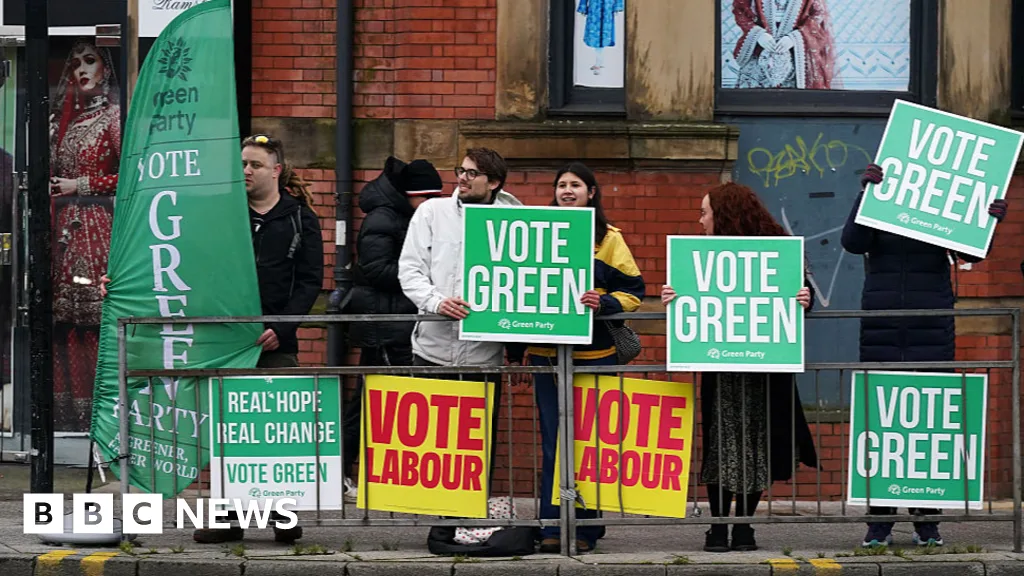
The Labour Party has formally ended power-sharing cooperation with the Green Party in 11 local councils in England, triggering political turmoil at the grassroots level. The decision was taken after the Green Party adopted a controversial policy describing Zionism as a form of racism, which Labour says crossed the line of tolerance.
The move affects areas such as Sheffield, Warwick, and Lewes, where Labour-Green coalitions had previously been in place. Labour Party chair Bridget Phillipson stressed that her party would not work with any party that supports the policy. "Labour has been clear from the outset that the 'Zionism is Racism' policy crosses the line and we cannot work with any party that supports it – at any level of government," she said.
The Green Party expressed its deep disappointment at Labour's decision. In a joint statement, the Green Party and the Local Government Association Green Group regretted top-down direction that forced the break-up of progressive partnerships that had benefited residents. They stressed the importance of trusting local communities and their leaders to decide what is best for their areas.
The policy that triggered the split began with a motion titled "Zionism is racism" passed by Green Party members last October. The motion states that Zionism is an ideology supporting the establishment of an "ethnonationalist Jewish state in historic Palestine" and backs "one democratic Palestinian state" encompassing modern Israel. The decision drew condemnation from Jewish groups and opposition parties, and left senior Green Party figures divided.
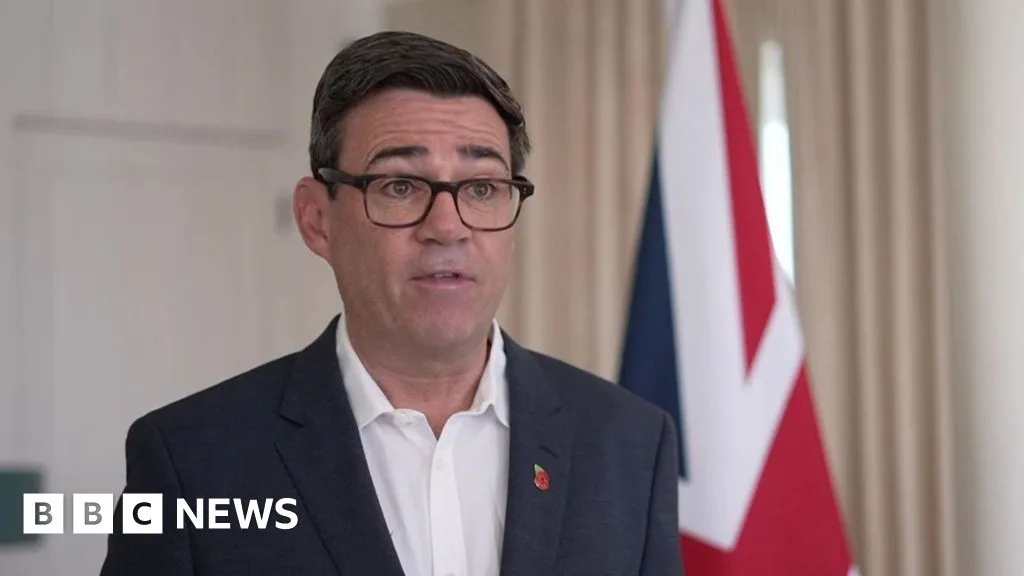
Prime Minister Andy Burnham said in October that Labour would not partner with the Green Party because of the policy deemed antisemitic. Labour headquarters then sent an ultimatum to jointly led councils, demanding that local Green parties disavow the motion and urging the party's national leadership to review it. Of the 18 councils with agreements, 11 did not meet the criteria Labour demanded, so cooperation was halted.
"We now feel we are at the end of the road with the joint administration. Our trust in Sheffield Green Party is completely broken," said Fran Belbin, the Labour leader on Sheffield Council, accusing the local Green Party of "refusing to stand up for Jewish residents".
In Sheffield, local Green Party leader Angela Argenzio stressed that Green councillors "are not antisemitic" and accused Labour colleagues of being directed by the national party leadership rather than by local interests. Meanwhile, Green Party co-leader Rachel Millward, who also leads Wealden Council, called Labour's decision ironic and irresponsible. According to her, equating criticism of the Israeli state's actions with antisemitism is wrong, and many Jewish people reject the current Israeli government's actions.
In Warwick, the local Green Party refused to condemn a democratically decided policy merely because of political pressure. They urged Prime Minister Andy Burnham to match his words with action and let local Labour groups decide their own stance. Meanwhile, the leader of the Green Group in Havant, Netty Shepherd, called Labour's move "performative politics" and predicted the end of the coalition would be a "total disaster for residents". She stressed that as a local councillor, her focus is on domestic matters such as waste management and town centres, not foreign policy.
The impact of the coalition break-up could be felt by hundreds of thousands of residents, as budget and policy approval processes may slow. The affected councils must now seek alternative coalition partners or try to govern as minority administrations. The situation also reflects the challenge for the Labour Party in maintaining internal cohesion and relations with other parties, especially ahead of upcoming general elections. Will this split affect the wider map of English local politics, or will it become a precedent for inter-party relations at the national level?