Photographers Flock to "Vibe Coding" Old DSLRs, Turning a 2005 Camera Into an AI Film Engine
Baca dalam 60 detik
- Fotografer memanfaatkan bantuan AI untuk menulis firmware kustom pada kamera DSLR dan compact lawas, menghadirkan simulasi film langsung di perangkat.
- Praktik ini menyasar model seperti Canon EOS 5D (2005) karena risiko kerusakan permanen lebih rendah dan masa garansi sudah habis.
- Tren ini berpotensi memperpanjang usia perangkat fotografi lama sekaligus memicu perdebatan soal garansi, keamanan, dan orisinalitas estetika.
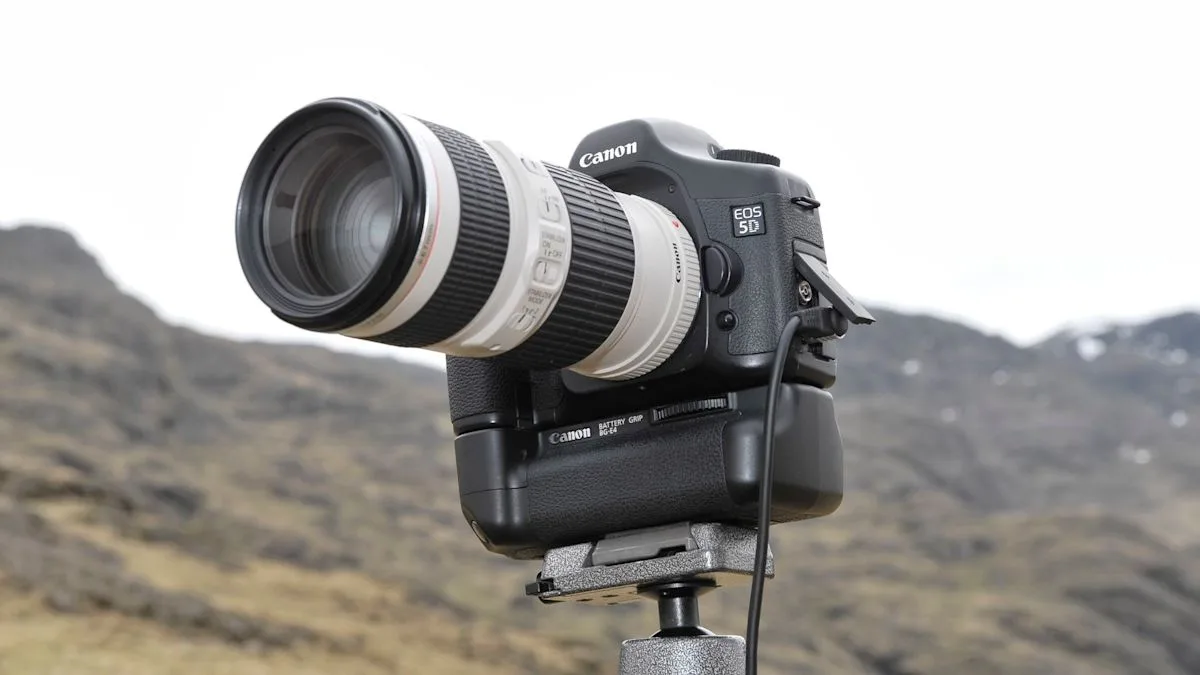
Photographers around the world are starting to look at old DSLR and compact cameras as a new experimental canvas. By using artificial intelligence (AI) to write code—a practice now popular as vibe coding—they inject custom firmware into devices that are a dozen to two decades old. As a result, cameras such as the 2005 Canon EOS 5D can offer a range of film simulations like modern cameras, without needing to replace the body.
This phenomenon is not just a whim. On platforms such as Reddit and Instagram, users share community-developed firmware projects, some of which use large language models to speed up code writing. This approach lowers the technical threshold for non-programmer photographers who want to modify camera behavior. Nevertheless, the risk of bricking—the camera dying completely because the firmware fails—still looms, especially on devices still under warranty.
That is precisely where the appeal of old cameras lies. Models such as the Canon EOS 5D and 6D lost official support long ago and their used prices are relatively cheap, so losses from experiments are more limited. Florin Kirtescu, one of the developers, designed the Film Roll firmware for the EOS 6D that limits the number of shots like a 12, 24, or 36-frame film roll. The software is stored on an SD card, so users can remove it to return to normal mode.
Beyond Canon, fans of other brands are also experimenting. The FujiMod project injects new features into the Fujifilm X70, including the Reala Ace film simulation and a snap focus mode. Others have revived PlayMemories app support on old Sony A7 cameras. Interestingly, most modifications do not only chase film looks but also introduce limitations typical of analog—such as color locking for a certain number of shots—which are actually seen as enriching the creative process.
"Using AI to make photos look like film feels like an oxymoron, yet it also very much reflects the 2026 trend," a technology observer wrote in a report cited by LyndHub.
This phenomenon intersects with the trend of screenless cameras that also carry a digital "roll" concept. The Fujifilm X Half, for example, hides files until the user finishes a roll and performs "development." Such an approach shows that some photographers are actually seeking artificial constraints to get a more authentic experience, something hard to find on fast, all-purpose modern cameras.
From an industry standpoint, this practice opens opportunities for independent software developers and open-source communities. However, camera manufacturers seem to need to be wary: if custom firmware becomes easier to make, the line between old and new cameras could blur. On the other hand, questions arise about copyright and after-sales support, given that such modifications generally do not receive official blessing.
For the Indonesian market, this trend could revive interest in used cameras. Local photography communities that have long been enamored with analog and CCD cameras could be fertile ground for similar experiments. However, with used camera prices tending to be stable and access to components limited, users need to consider the risk of damage. Looking ahead, a question arises: will manufacturers embrace the community by providing official development tools, or instead tighten firmware protection? The answer will determine the direction of innovation in the consumer photography segment.