Maulid Firecracker Protest in Pondok Pinang Leads to Report to Polda Metro Jaya
Baca dalam 60 detik
- Amanda Andono melaporkan dugaan pengeroyokan ke Polda Metro Jaya dengan nomor LP/B/7547/X/2026/SPKT/POLDA METRO JAYA.
- Insiden terjadi pada Minggu dini hari, 4 Oktober 2026, setelah ia memprotes suara petasan yang mengganggu waktu tidur warga.
- Polisi telah menerima laporan serupa dari korban berinisial LK pada 5 Oktober 2026 di Polres Metro Jakarta Selatan.
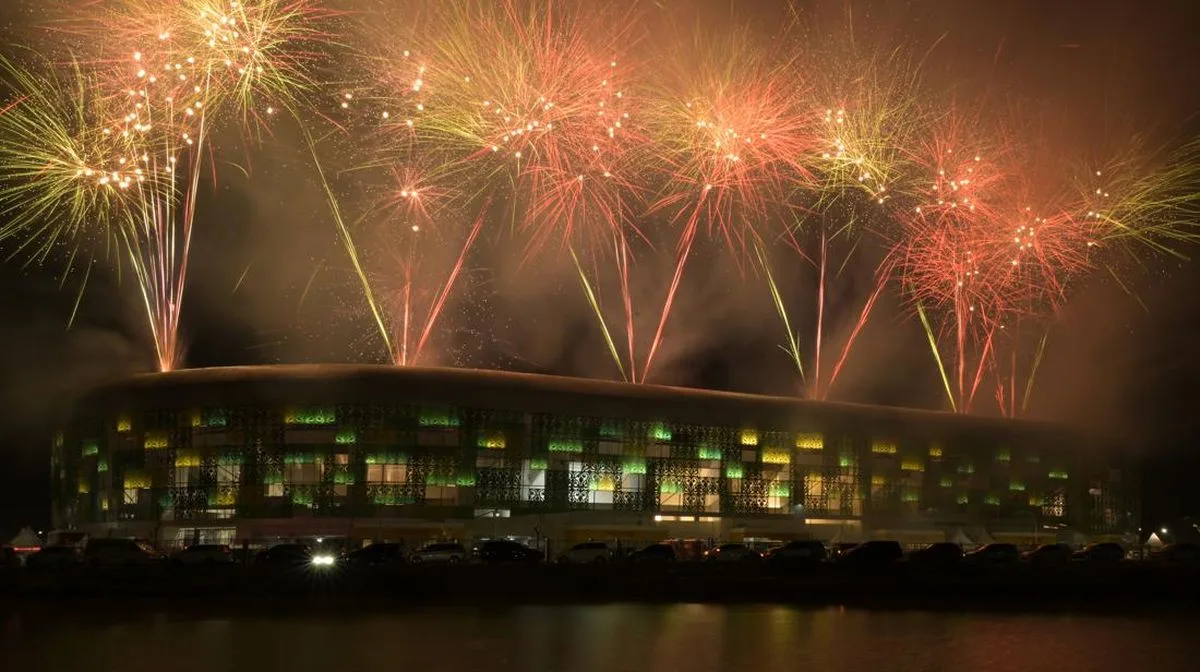
Amanda Andono, a resident of Pondok Pinang, Kebayoran Lama, South Jakarta, formally reported an alleged assault against her to Polda Metro Jaya on Thursday (8/10/2026). The report is registered under number LP/B/7547/X/2026/SPKT/POLDA METRO JAYA, marking a new chapter in a case that began with a protest over firecracker noise during a Maulid Nabi event.
The incident occurred in the early hours of Sunday, 4 October 2026, between around 00.00 and 01.00 WIB. Amanda said she went to the event site because the sound of firecrackers and fireworks going off in succession woke her child. Instead of finding a resolution, she said she was treated roughly by a number of people at the location.
"I was questioned about all sorts of things, held back, spat at, sprayed, and told to go home. I was accused of being a provocateur, even though they were the ones who triggered the commotion," Amanda said, recounting her experience to journalists. She added that she was pushed and pulled until she fell into a gutter and her underwear tore from the pulling.
This is not the first time the case has been reported. Earlier, on Monday (5/10/2026), a woman with the initials LK had reported an alleged assault she experienced while protesting the same firecracker noise. LK's report was received by Polres Metro Jakarta Selatan. "We received a report from a woman with the initials LK regarding an alleged assault and/or mistreatment," said Kasi Humas Polres Metro Jakarta Selatan, AKP Joko Adi, on Wednesday (7/10/2026).
The incident highlights a long-standing problem in densely populated residential areas: the boundary between religious celebration and residents' right to quiet. The Maulid Nabi event, held from Saturday morning until midnight, was described as a large family reunion, but its impact—especially the firecracker noise—sparked residents' protests. Such conflicts often end in vigilante action when formal complaint mechanisms are seen as slow or unresponsive.
From a legal standpoint, the reports by Amanda and LK open the door to further investigation. Police have not detailed whether the two reports will be combined or handled separately. What is clear is that the visum serves as crucial initial evidence to hold the perpetrators accountable. The deadlocked mediation process shows that an amicable settlement was not reached, making the criminal route the last option.
Going forward, this case will test the consistency of law enforcement amid social pressure. The public is waiting to see whether investigators can identify and process the perpetrators transparently, while also setting a precedent for managing crowded events involving firecrackers in residential areas. Without firm handling, there are fears similar friction will recur elsewhere.