Trump Rules Out Iran Strike Before US Midterms, Signals Negotiation Amid Tensions
Baca dalam 60 detik
- Presiden AS Donald Trump menegaskan tidak akan melancarkan serangan ke Iran sebelum pemilu sela 3 November 2026.
- Pernyataan itu muncul setelah sebelumnya ia menyebut opsi serangan baru sedang dipertimbangkan, memicu spekulasi pasar minyak dan geopolitik.
- Langkah ini menandai upaya meredakan ketegangan sambil membuka ruang dialog dengan Teheran, namun risiko eskalasi pasca-pemilu tetap membayangi.
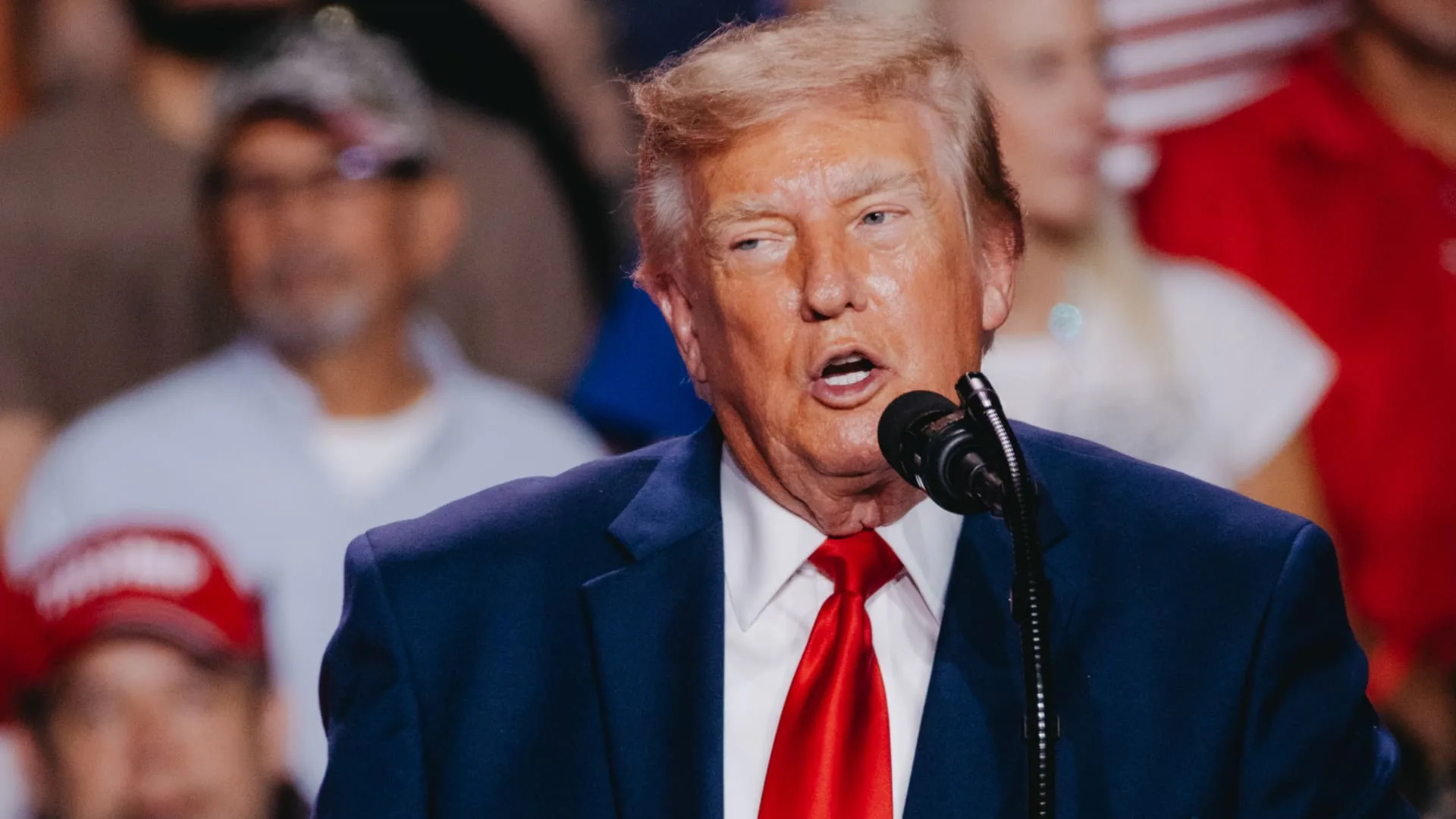
United States President Donald Trump has confirmed he will not order a military strike on Iran before the midterm elections on 3 November 2026. The statement was made in a post on Truth Social on Thursday (8/10/2026), just a day after he told reporters that his administration was considering a new strike on Tehran. The decision explicitly ties the timing of military action to the US domestic political calendar.
"We will not attack Iran anytime before the Midterms," Trump wrote, adding that Washington was holding "productive discussions" with Tehran. The statement immediately sparked varied interpretations among analysts: some saw it as an effort to ease tensions ahead of the vote, while others viewed it as a signal that the military option remains open after the election.
Trump's shift within 24 hours highlights how US national security decisions are increasingly intertwined with electoral interests. The Republican Party is seeking to retain its majority in Congress, and foreign policy issues—especially those related to the Middle East—often draw voter attention. Some observers assess that delaying the strike could ease pressure on global oil prices and financial markets that had been rattled by speculation of conflict.
"This delay is more a political maneuver to maintain stability ahead of the election, not a long-term strategy shift toward Iran," said a foreign policy analyst monitoring the Washington–Tehran dynamic.
For Indonesia, this development has direct implications. As a crude oil importer, turbulence in the Strait of Hormuz—a strategic shipping lane for oil tankers—is always a risk to domestic energy price stability. A temporary easing of tensions could give the government room to curb energy inflation, though post-US election uncertainty still needs to be anticipated. In addition, Indonesia's non-aligned position and trade ties with both sides make Jakarta interested in maintaining regional stability.
Asian financial markets, including the Indonesia Stock Exchange, often respond to signals from the Middle East. A delay in the strike could ease investor concerns about an oil price spike, but market players are still watching whether the Washington–Tehran negotiations produce a concrete agreement or merely a tactical pause. The unclear direction of US policy after 3 November could trigger new volatility, especially if rhetoric toward Iran hardens again.
What bears watching is that Trump's statement included no specific deadline for diplomacy. If discussions with Tehran bear no fruit, the military option could resurface after the election. The question is whether this delay will lead to permanent de-escalation or merely postpone a larger conflict.