Albanese Speaks on Climate Justice in Fiji, but Backs Coal Mine Expansion at Home
Baca dalam 60 detik
- Mahkamah Agung Australia membatalkan izin perluasan tambang batu bara Mount Pleasant di Lembah Hunter, memukul mundur rencana operasi hingga 2048.
- Perdana Menteri Anthony Albanese memimpin delegasi ke Tuvalu untuk menyoroti krisis iklim, tetapi sebelumnya berharap komunitas penentang tambang kalah di pengadilan.
- Kontradiksi ini memicu kritik bahwa Australia mengirim pesan berbeda kepada audiens internasional dan domestik, menjelang KTT COP31 di Turki.

Australia's High Court on Wednesday (8/10/2026) overturned a state regulator's approval for a major expansion of the Mount Pleasant coal mine in the Hunter Valley, New South Wales. The ruling is seen as a historic win for local residents and could set a precedent that hinders other fossil fuel expansions across the country.
Yet the decision runs counter to the stance of Prime Minister Anthony Albanese. In a radio interview with 2HD in Newcastle last May, Albanese said he hoped the community group that brought the lawsuit would lose, arguing the mine expansion had gone through the proper permitting process. He stressed that the renewable energy transition remains necessary, but said the government also supports "existing industry"—namely coal.
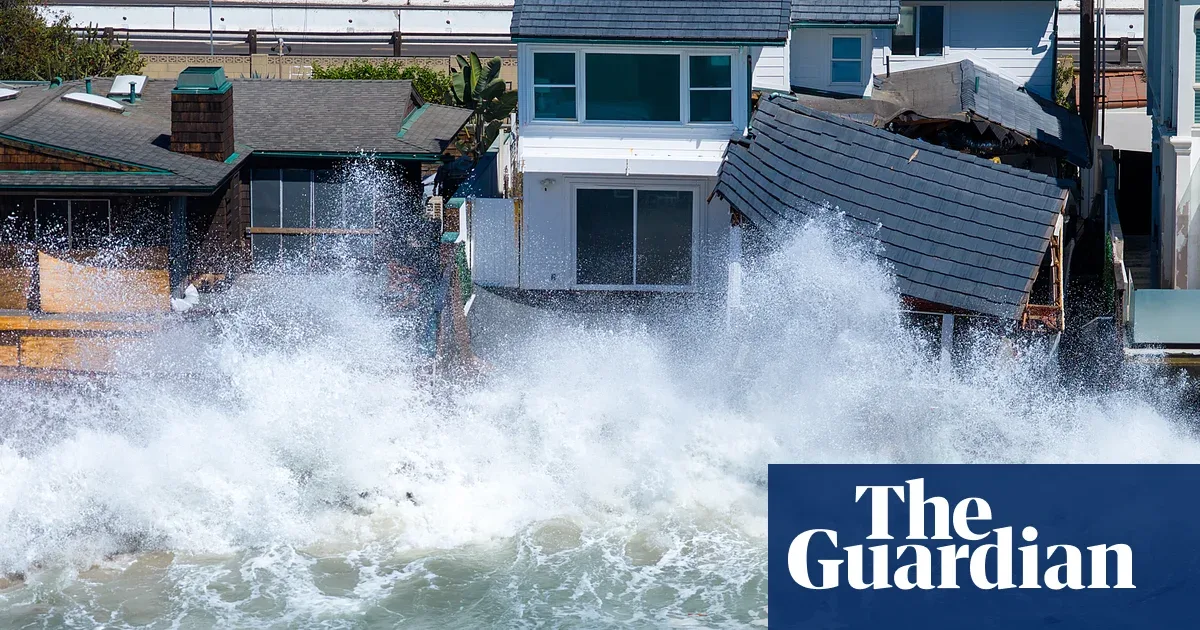
This contradiction came to the surface when Albanese attended a three-day pre-COP31 climate conference in Fiji. Alongside about 50 senior officials from various countries, he visited Tuvalu, an atoll nation threatened by rising seas. Tuvalu has only 26 square kilometers of land, with an average elevation of less than two meters above sea level. According to NASA researchers, the rate of sea level rise around Tuvalu is about twice the global average, eroding coastlines and threatening settlements.
The delegation witnessed firsthand a land reclamation project in Funafuti largely funded by Australia. Sand and gravel are dredged from the lagoon to create more than 20 hectares of higher ground—an effort to buy time. The most poignant moment came from Melelusi Sokotia, a 13-year-old, who spoke about how her friends' dreams of becoming teachers, doctors, or builders are threatened by a basic question: whether they can grow up safely in Tuvalu. "Please work together to protect small islands like us," she pleaded.
In Fiji, Nepal's Foreign Minister Shisir Khanal delivered a similar message. Nepal was hit by devastating floods last August, while mountain glaciers are melting and contributing to sea level rise. Khanal stressed that Nepal and Pacific nations alike contribute almost nothing to global emissions, yet bear the worst consequences. "This is the very definition of climate injustice," he said.
Albanese quoted part of Khanal's message in his speech before leaving Fiji. He called climate change not an abstract challenge but a "daily reality" facing communities. He also urged international investment in the Pacific Resilience Facility, a fund that has received A$100 million in support from Australia. Yet in that speech, he did not mention coal at all.
Criticism followed. The Prime Minister was seen as delivering contradictory messages to different audiences: on the international stage he presents himself as a champion of climate justice, but at home he defends mine expansions that contribute to the crisis. Albanese left Fiji without giving journalists a chance to test his position.
Even so, the pre-COP meeting in Fiji was not entirely in vain. The forum brought together diplomats and bureaucrats ahead of the UN climate summit later this year in Turkey. This year, the meeting is being held in the Pacific to highlight the region's urgent needs. Several ministers and thousands of civil society members attended, discussing issues that rarely receive global attention.
Some Pacific leaders appreciated Australia's focus and support, but many were cynical about Canberra's hypocrisy on fossil fuels. The issue is certain to keep haunting Australia's climate diplomacy.
The real test of this series of meetings is whether COP31 in Turkey can produce a meaningful agreement to limit climate disaster and channel funding to the most vulnerable countries. The official president of the negotiations, Chris Bowen of Australia, and Turkey's COP31 President, Murat Kurum, have had several days to build a relationship and strategize. They also have a constant reminder around them of why this effort matters.
For Indonesia, Australia's contradiction serves as a mirror. As the world's largest coal producer, Indonesia faces a similar dilemma: pushing for an energy transition in international forums while still relying on fossil commodities for state revenue. Global pressure to end coal expansion will increasingly test the consistency of Jakarta's climate policy, especially ahead of COP31. Will Indonesia learn from the Australian High Court's ruling, or will it instead strengthen its position as the world's last coal supplier?