AFP Photographer Assaulted by Israeli Settlers in West Bank, Soldiers Look On
Baca dalam 60 detik
- Jaafar Ashtiyeh, fotografer veteran AFP, menjadi korban amukan pemukim bersenjata saat meliput panen zaitun di Aqraba, Tepi Barat.
- Puluhan tentara Israel berada sekitar 500 meter dari lokasi namun tidak melakukan intervensi apa pun.
- Insiden ini menambah daftar panjang kekerasan terhadap jurnalis di wilayah pendudukan, dengan Israel tercatat sebagai pembunuh jurnalis terbanyak sepanjang 2025.
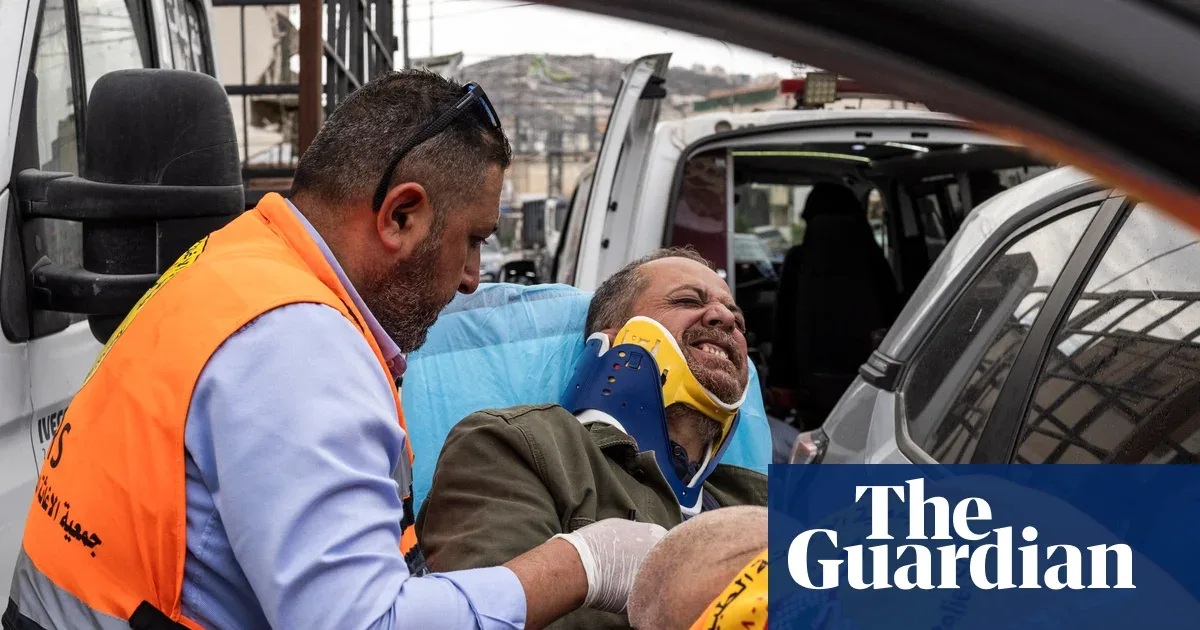
A senior Agence France-Presse (AFP) photographer, Jaafar Ashtiyeh, was assaulted by a group of armed Israeli settlers while covering violence against olive farmers in the West Bank. The 58-year-old man was beaten with rifle butts and had to be hospitalized, while more than a dozen Israeli soldiers stationed not far from the scene chose not to intervene.
The incident occurred near Aqraba village in the northern West Bank, when Ashtiyeh and his fellow AFP photographer John Wessels witnessed an Israeli soldier detaining a Palestinian man who was harvesting olives. The situation changed drastically when a quad bike sped toward them and its rider opened fire. A Palestinian man was shot in the leg and rushed to a hospital, according to the Palestinian Red Crescent.
Shortly afterward, at least six other people charged toward the two journalists while firing weapons. As Ashtiyeh tried to get into a car clearly marked "Press", two men jumped on him and struck him repeatedly with rifle butts. Wessels, who was also threatened with a pistol, said he heard his colleague screaming. The attackers also made off with Ashtiyeh's camera equipment.
What makes this incident all the more troubling is that about a dozen Israeli soldiers were only around 500 meters from the scene. They did not move at all to stop the brutal assault. Ashtiyeh, a Palestinian, was treated at Nablus hospital. X-rays found no fractures, but he remained under intensive observation, according to his son, Zain Jaafar.
AFP Global News Director Phil Chetwynd strongly condemned the attack. He demanded a thorough investigation and said it was unacceptable that a journalist was beaten and robbed by armed settlers in front of Israeli security forces who made no effort to prevent it. Similarly, the Foreign Press Association, which represents international media in Israel and Palestine, expressed deep concern. They urged Israeli authorities to investigate why the soldiers present did not act against a journalist whose identity was already clear.
This attack is a blatant attempt to intimidate the press and obstruct accurate reporting from the West Bank. International media will not be cowed by physical attacks or threats.
Settler violence against Palestinian olive farmers is in fact nothing new. Every harvest season, settlers often attack residents who come to harvest olives—a commodity that is the backbone of the Palestinian economy. However, this year's harvest season has been notably more brutal as Israel's general election approaches at the end of the month. There are almost no meaningful legal consequences for the perpetrators.
Data shows around 500,000 Israeli settlers live in the West Bank, territory Israel seized in 1967, among 3 million Palestinian residents. The presence of settlements in occupied territory violates international law. Media rights groups note that Israeli settlers are increasingly targeting journalists, while authorities tighten various obstacles to reporting.
In the Indonesian context, this incident reinforces calls for press freedom and journalist safety in conflict zones to become a global concern. Indonesia itself consistently supports a two-state solution and has voiced concern over the escalation of violence in the West Bank through multilateral forums. For the Indonesian public, this event is a mirror showing that pressure on journalists in conflict zones can threaten the world's access to objective information.
Going forward, the question is not merely whether the perpetrators will be brought to justice, but how far the international community can ensure protection for journalists working on the front line. Without real global pressure, this pattern of impunity risks repeating itself every time harvest season arrives.