Gas Explosion at Pakuwon City Shophouses in Surabaya: 41 Buildings Damaged, Residents Traumatized
Baca dalam 60 detik
- Ledakan diduga akibat tekanan gas menghancurkan sedikitnya 41 bangunan di kompleks Ruko San Antonio, Pakuwon City, Surabaya, Selasa pagi.
- Peristiwa ini menambah daftar insiden gas di kawasan padat hunian dan komersial, memicu pertanyaan tentang pengawasan instalasi gas.
- Pemerintah kota dan penyedia gas dituntut meningkatkan audit keselamatan untuk mencegah terulangnya kejadian serupa.
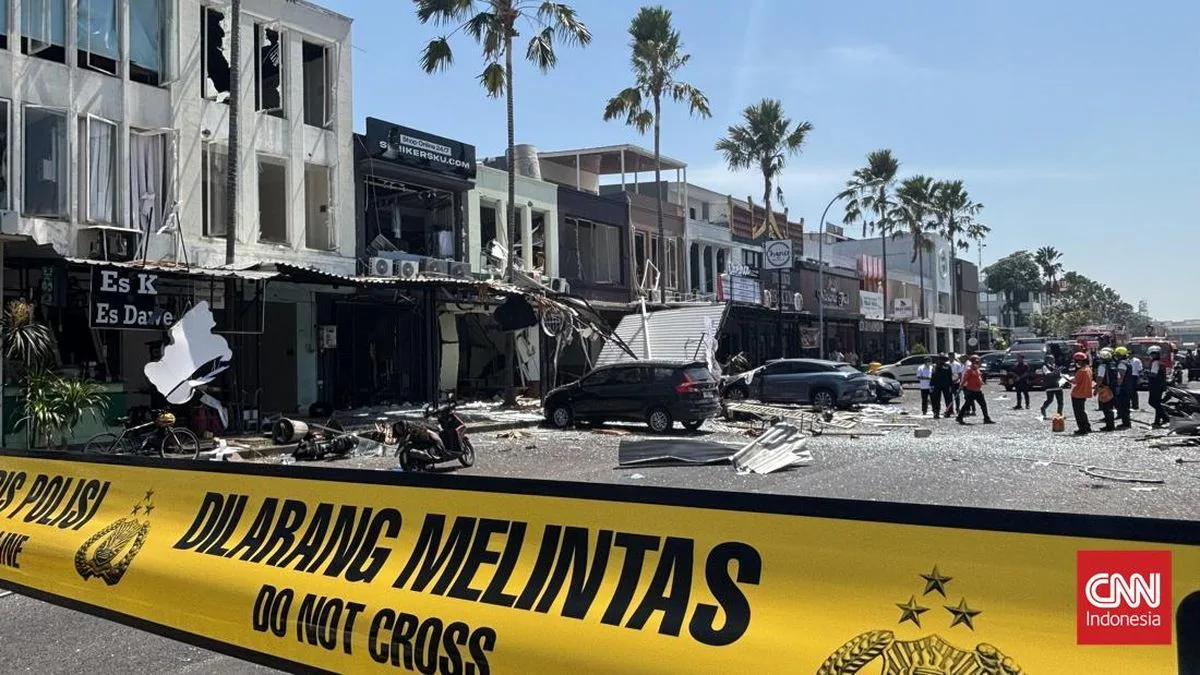
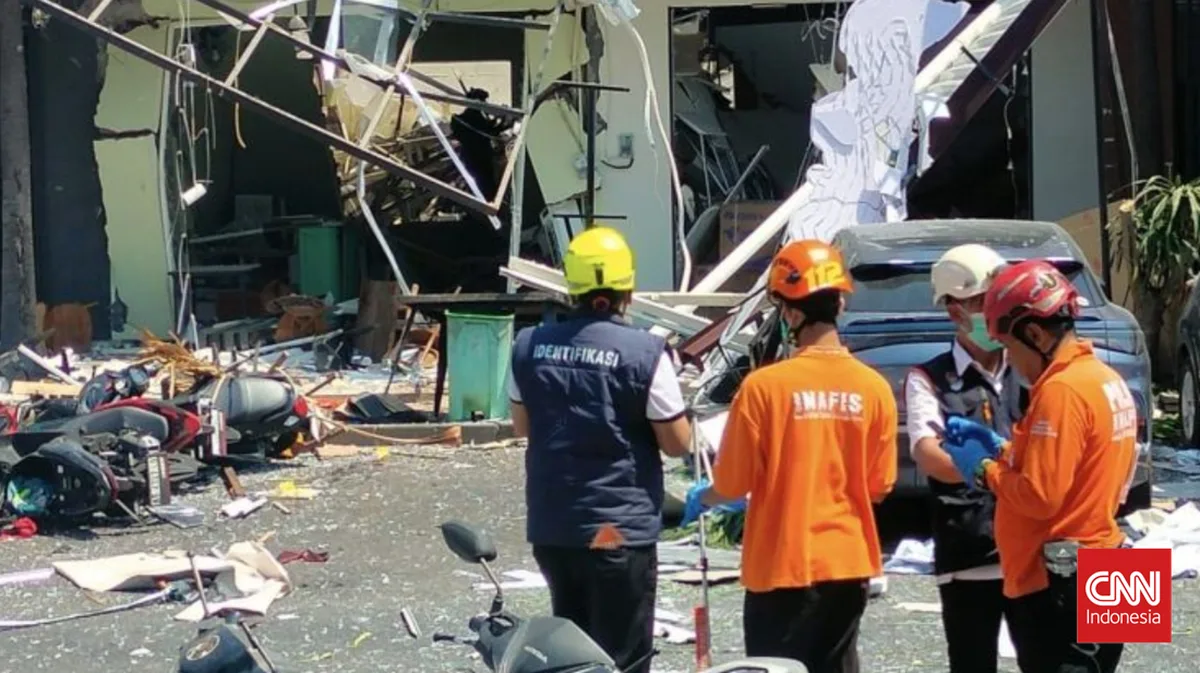
A loud explosion shook the San Antonio shophouse complex in Pakuwon City, Surabaya, East Java, on Tuesday (6/10) morning. At least 41 buildings were reported damaged by the incident, which is suspected to have been triggered by gas pressure. As of this report, there has been no official word on casualties, but several eyewitnesses described extraordinary panic at the time of the blast.
This is not the first such event in a dense residential and commercial area. In recent years, similar incidents have been recorded in various major Indonesian cities, from gas leaks in restaurants to gas cylinder explosions in residential neighborhoods. Pakuwon City, one of the integrated areas in East Surabaya, has long been known as an area with rapid property growth. The explosion immediately raised questions about how strictly gas installations in commercial and residential buildings are monitored.
The head of the Surabaya City Fire Department, in a separate statement, said the team was still investigating to determine the source of the explosion. "We cannot yet confirm whether this was purely due to a gas leak or whether there were other factors. The crime scene processing is still ongoing," he said. He added that his office had evacuated residents around the site to prevent further casualties.
An urban planning observer from Institut Teknologi Sepuluh Nopember (ITS) Surabaya, in an interview with LyndHub, assessed that the incident reflects weak oversight of gas installations in mixed-use areas. "Many shophouse buildings use gas for daily operations, but periodic audits are rare. This is a call to tighten regulations," he said. He also highlighted the importance of educating building owners about gas safety procedures.
The economic impact of the explosion cannot be ignored either. Affected shophouse owners must bear material losses, while business activity around the site has been temporarily halted. A local business association estimates losses could reach hundreds of millions of rupiah, especially for those who lost trading stock and had to close their businesses during repairs. The Surabaya City Government has promised emergency assistance, but the compensation mechanism is still under discussion.
"We will oversee the investigation process and ensure no victim is neglected. Going forward, we will review safety standards in similar areas," the Mayor of Surabaya said while inspecting the site.
In a broader context, the incident highlights the need to update gas safety regulations in Indonesia. Some neighboring countries such as Singapore and Malaysia have implemented strict standards for gas installations in commercial buildings, including routine inspections and technician certification. Indonesia itself has a Ministerial Regulation from the Ministry of Energy and Mineral Resources governing similar matters, but implementation is often constrained by resources and inter-agency coordination.
Going forward, this event could be a momentum for local governments to improve oversight and law enforcement. Without concrete steps, similar risks will continue to haunt densely populated areas. The question is whether the explosion in Pakuwon City will become a turning point for gas safety policy, or merely a forgotten statistic?