BGN Pursues Target of 1,000 New MBG Kitchens This Week, Focus on 3T Regions and High Stunting
Baca dalam 60 detik
- Badan Gizi Nasional menargetkan pembukaan hingga 1.000 Satuan Pelayanan Pemenuhan Gizi (SPPG) baru dalam sepekan, terkonsentrasi di Sumatera, Kalimantan, dan Bali.
- Ekspansi ini menyasar daerah 3T serta kantong stunting tinggi, namun masih tersandung persoalan data penerima manfaat dan sekitar 500 dapur berstatus suspend.
- Pemerintah menegaskan seluruh proses berjalan by system tanpa calo, sementara evaluasi menyeluruh menentukan apakah dapur yang bermasalah bisa kembali beroperasi.
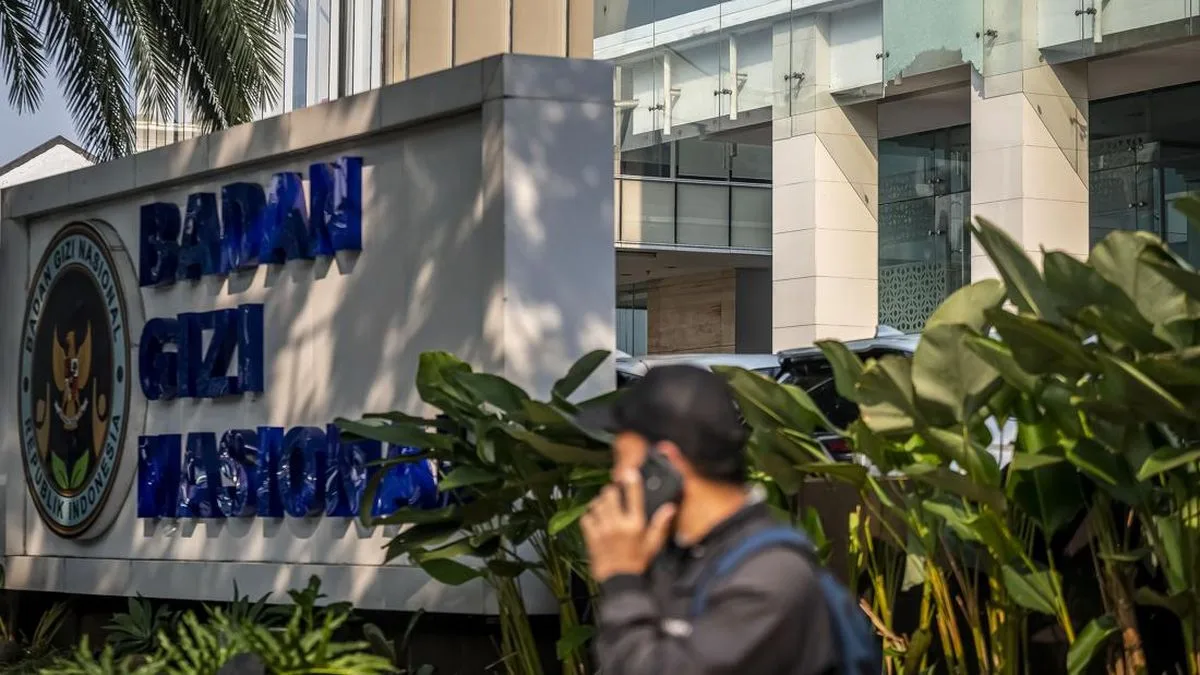
The National Nutrition Agency (BGN) is accelerating the expansion of the Free Nutritious Meals (MBG) program by targeting the opening of 900 to nearly 1,000 Nutrition Fulfillment Service Units (SPPG), or new kitchens, in the coming week. The move covers Sumatra, Kalimantan, and Bali, with top priority given to disadvantaged, frontier, and outermost (3T) regions as well as districts/cities with high and very high stunting prevalence.
BGN Head Sudaryono said the opening of these kitchens is part of the government's strategy to prioritize regions most in need of nutrition services. "This week I plan to open around 900, nearly 1,000 in Sumatra, Kalimantan, and Bali. Yes, 3T areas with high and very high stunting prevalence. So we want to sort out our priorities first," he said at the Ministry of Agriculture, South Jakarta, Monday (5/10).
However, this ambitious expansion is not without operational challenges. BGN noted that 27,022 SPPG kitchens are currently in operation. Even so, not all kitchens can immediately serve beneficiaries because BGN applies a Temporary Beneficiary Group Designation Letter (SPS) as the basis for service. As of Monday (5/10), around 1,100 kitchens had not obtained an SPS and therefore could not operate. Of that number, around 500 kitchens are suspended due to various issues, ranging from wastewater treatment plants (IPAL), food poisoning cases, to the need for facility repairs.
Sudaryono stressed that the kitchen opening process is carried out entirely through the system prepared by BGN. He denied that any party had been appointed to offer services or act as an intermediary. "Of course the opening of these kitchens is not, this is all by system, so no one will come promising services, there are usually brokers, right, so please report this, there are no brokers here," he said. He also stressed that prospective partners do not need to pay any fees because MBG is a government program.
Besides licensing and suspension issues, BGN is fixing beneficiary data that refers to the Education Data Center (Dapodik). It found a number of student count records that had not been updated, so the number of beneficiaries served did not match actual conditions. SPPG heads or kitchen partners can complete student data through information from the schools. This update is important so that MBG beneficiaries are clearly recorded by name, address, NIK, school, and class, as well as to track nutrition progress before and after the intervention.
BGN is also still evaluating around 500 SPPG with suspended status. Not all kitchens can automatically resume operations; the decision depends on the results of inspections and the condition of each one. Sudaryono stressed that safety and hygiene standards remain strictly enforced because MBG is ready-to-eat food that is prone to spoilage if handled incorrectly. He cited one kitchen that had to be permanently closed after serious problems were found. "Those 500 suspended, we look at them, if for example we suspend one for inspection, it turns out we have inspected it, there is one kitchen for example cooking below a swallow's nest, yes, permanently closed," he said.
The expansion of MBG kitchens is a test for the government in balancing the speed of delivering benefits with clean governance. On one hand, accelerating services in 3T regions and stunting pockets can speed up the reduction of stunting prevalence. On the other hand, adding new kitchens risks increasing the supervision burden, especially if beneficiary data is not yet accurate and some kitchens still do not meet standards. Going forward, the public will watch whether the target of 1,000 kitchens this week is truly realized without sacrificing quality and transparency.