Trump Prepares White House 'AI Czar' Role, Jay Clayton Emerges as Strong Candidate
Baca dalam 60 detik
- Donald Trump menyiapkan posisi koordinator kebijakan AI di Gedung Putih dan menjagokan Jay Clayton, yang saat ini masih menjabat Direktur Intelijen Nasional.
- Penunjukan ini berpotensi mengukuhkan garis kebijakan AI yang ramah industri, menyusul komitmen pengawasan mandiri yang diteken para CEO teknologi pekan lalu.
- Jika terealisasi, Clayton akan menjadi pejabat AI kedua setelah David Sacks, sementara Washington masih mencari keseimbangan antara percepatan inovasi dan pengawasan.
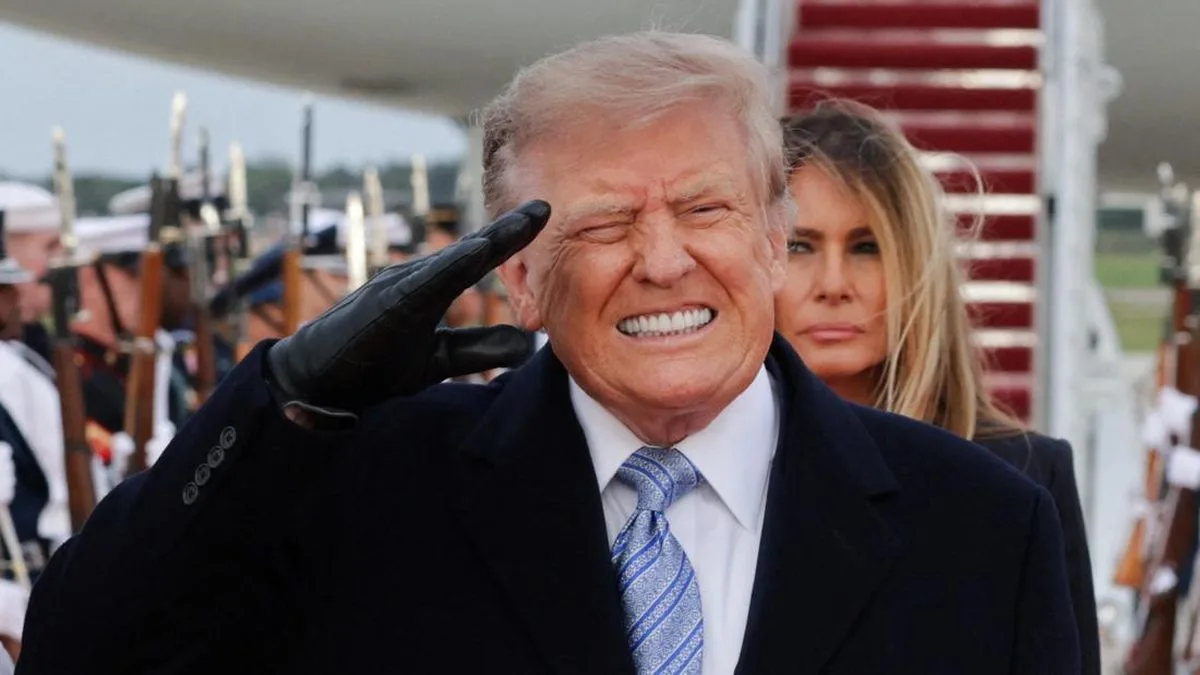
US President Donald Trump is preparing a new White House position that would coordinate artificial intelligence (AI) policy across ministries and agencies. Jay Clayton, currently Director of National Intelligence, has emerged as the strongest candidate for the seat informally dubbed the "AI czar."
According to two sources familiar with the discussions, an official announcement could come within days. Clayton is not expected to give up his post in the intelligence community, so he could potentially hold two portfolios at once — a combination rarely seen in US government governance. The White House itself has not confirmed any name, and an official stressed that any information before a formal presidential announcement is merely speculation.
The plan is not a sudden move. A week earlier, Trump gathered several CEOs of technology and AI companies at the White House. The meeting produced a joint commitment urging companies to conduct self-regulation of their AI models. Trump said at the time that he was "very close" to a final decision and expected an announcement within three to four days, though he still wanted to consult with industry figures and Republican leaders in the House.
Clayton's selection signals that Trump wants a figure with a track record in law enforcement and capital markets, not merely an academic or technology executive. During his Senate confirmation hearing, Clayton once called AI a "game-changer" that brings both opportunity and threat, and stressed the importance of deep understanding before making policy. That statement now reads as an early foundation for his new role if it indeed materializes.
"This is a game-changer, this is not just an opportunity, but also a threat. When something is both an opportunity and a threat, you have to truly understand it." — Jay Clayton, during his Senate confirmation hearing.
Interestingly, this position is not a new post for Washington. David Sacks previously held a similar mandate, covering AI and crypto, before resigning because his term as a special employee ended. Sacks remains influential through his seat as vice chair of the President's Council of Advisors on Science and Technology. In other words, US AI policy currently runs on two tracks: the formal government track and an informal track through the president's circle of advisers.
For many observers, Trump's move reflects the classic dilemma of a superpower: wanting to catch up with China in AI development while also facing domestic pressure to tighten oversight. The self-regulation approach signed by the CEOs last week is seen by some as too soft a compromise, while industry players worry that harsh regulation will slow innovation and push research centers to other jurisdictions.
From Jakarta, this dynamic is worth watching. Indonesia is drafting an AI governance framework through the communications and digital ministry, and Washington's policy direction often serves as an unofficial reference for developing countries. If the US chooses a centralized coordination model under a single senior official, pressure on Indonesia to have a similar structure — not just sectoral regulation — will grow. Conversely, if Washington instead strengthens industry self-regulation, developing countries could take a similar path without having to build a costly new bureaucracy.
The remaining question is not just who will sit in that seat, but how much authority will actually be granted. Without a clear budget mandate and regulatory authority, the "AI czar" position risks becoming a symbol without teeth — exactly what some members of Congress from both camps fear. In the coming days, the public will see whether Trump chooses a strong figure with real authority, or merely places a big name to defuse pressure for oversight.