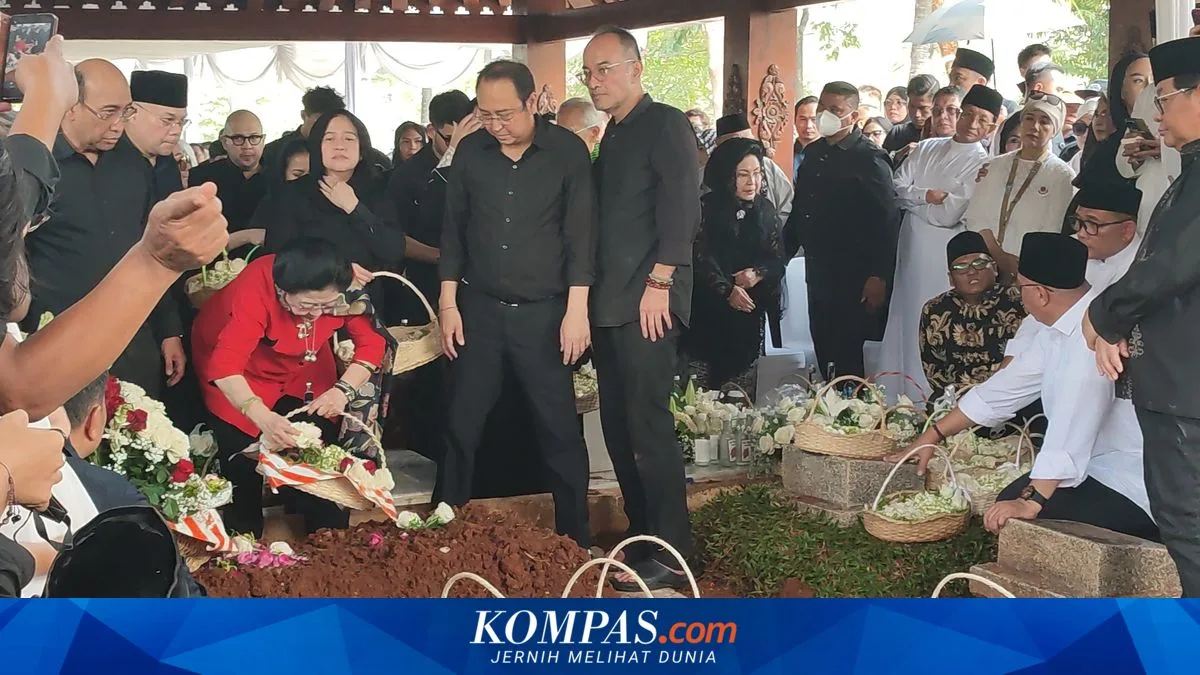
Guruh Soekarnoputra Buried at Karet Bivak, Megawati Scatters Farewell Flowers
Baca dalam 60 detik
- Putra bungsu Bung Karno, Guruh Soekarnoputra, meninggal di RS Siloam Semanggi pada usia 73 tahun dan dikebumikan di TPU Karet Bivak, Jakarta Pusat.
- Wakil Gubernur Jakarta Rano Karno menegaskan kepergian Guruh sebagai kehilangan besar bagi dunia seni dan kebudayaan nasional, bukan sekadar duka keluarga.
- Prosesi pemakaman diwarnai taburan bunga dari Megawati Soekarnoputri dan keluarga, menandai berakhirnya satu babak dinasti politik-seni Soekarno.
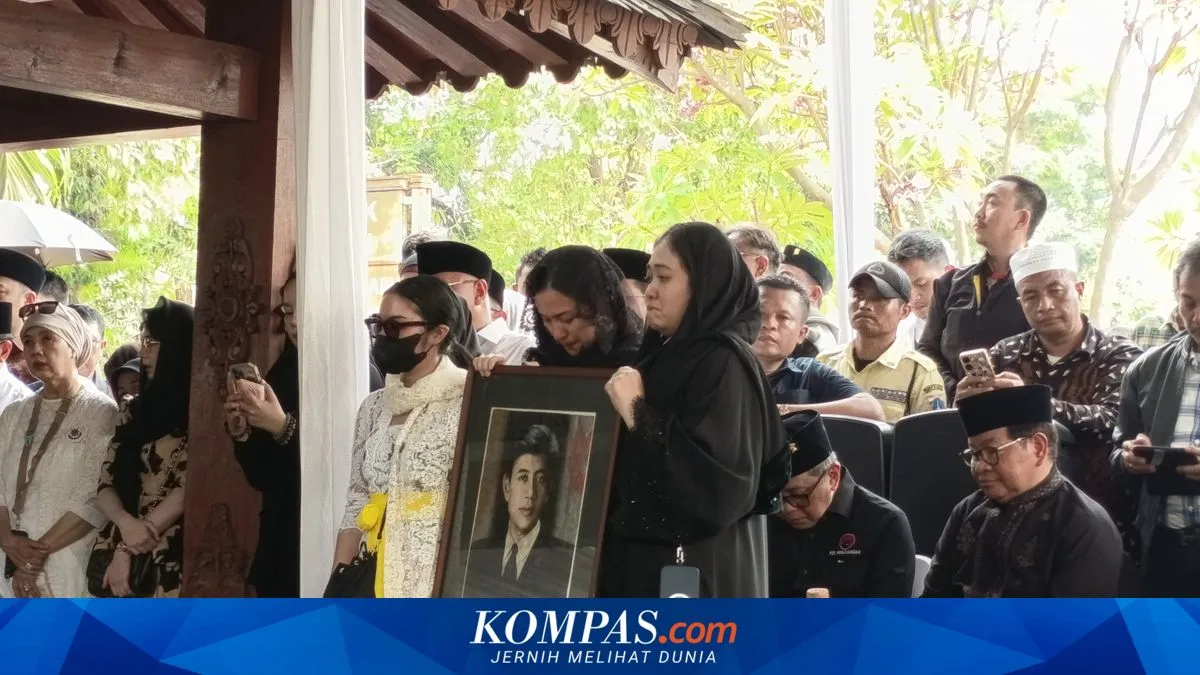
Guruh Soekarnoputra, a PDI-Perjuangan politician and the youngest son of Indonesia's first president Soekarno, was buried at the Karet Bivak Public Cemetery (TPU) in Central Jakarta on Saturday (26/9/2026). The body of the 73-year-old man arrived at the site after being laid out, and the burial proceeded solemnly under the escort of the extended Soekarno family.
Guruh died at 04.16 WIB at MRCCC Siloam Hospitals Semanggi, Jakarta. The news closes the long journey of an artist who chose to work at the intersection of politics and culture, leaving a trail that did not always run in line with his family's party.
Before the burial, a number of Guruh's achievements and track record during his life were read out before mourners. Jakarta Deputy Governor Rano Karno then delivered remarks on behalf of the family. On that occasion, Rano said Guruh's passing was not only a loss for the family but also for Indonesia.
"Mas Guruh loved Indonesia in a very beautiful way. He did not only talk about Indonesia, he sang about it, he created a stage for it, he dug into its traditional riches, and he dedicated his life to Indonesian culture," Rano said at TPU Karet Bivak.
A somber mood enveloped the burial area. As workers began covering the grave with soil, several relatives were seen crying and wiping away tears. After the grave was closed, Megawati Soekarnoputri scattered flowers of various colors over her younger brother's resting place. The procession continued with her daughter, Puan Maharani, as well as Prananda Pranoto, and a number of other mourners present.
"Mas Guruh loved Indonesia in a very beautiful way. He did not only talk about Indonesia, he sang about it, he created a stage for it, he dug into its traditional riches, and he dedicated his life to Indonesian culture." — Rano Karno, Jakarta Deputy Governor
For the Indonesian public, Guruh was often seen as another representation of the Soekarno lineage: not a politician who spoke loudly in parliament, but an artist who expressed nationalism through dance, music, and cultural performances. That choice of path placed him in a space rarely occupied by other politicians, while also showing that Bung Karno's legacy is not only maintained through power, but also through aesthetics.
Politically, Guruh's passing adds to the long list of internal dynamics within the Soekarno family ahead of various upcoming electoral agendas. PDI-Perjuangan, the party that housed Guruh, has lost one of the figures capable of bridging the party's traditional base with the arts and culture community. That position is not easy to replace, especially because Guruh was known as a keeper of the collective memory of Bung Karno's ideas in the cultural sphere.
For investors and creative industry players, this event also highlights the importance of sustaining the traditional arts ecosystem that has received attention from figures such as Guruh. The culture-based creative economy sector — from performances and crafts to heritage tourism — needs figures capable of articulating traditional values into the language of the modern market. Without such figures, the space for cultural advocacy at the policy level could narrow.
The burial at TPU Karet Bivak closes a long chapter of the Soekarno family on the national stage. But the question that remains is not merely who will continue Guruh's artistic legacy, but how the state ensures that the cultural riches he fought for do not stop as nostalgia, but become the foundation of concrete cultural policy in the future.