SBY Remembers Guruh Soekarnoputra: An Artist Who Rejected Politics, Chose Culture
Baca dalam 60 detik
- Guruh Soekarnoputra meninggal dunia pada usia 73 tahun di RS MRCCC Siloam Hospital, Jakarta, setelah menjalani perawatan intensif.
- SBY menyoroti warisan budaya Guruh, termasuk lagu "Kala Sang Surya Tenggelam" dan "Galih dan Ratna", serta pagelaran seni Mahardika.
- Guruh akan dimakamkan di TPU Karet Bivak, bersebelahan dengan makam ibunya, Fatmawati Soekarno, setelah shalat zuhur.
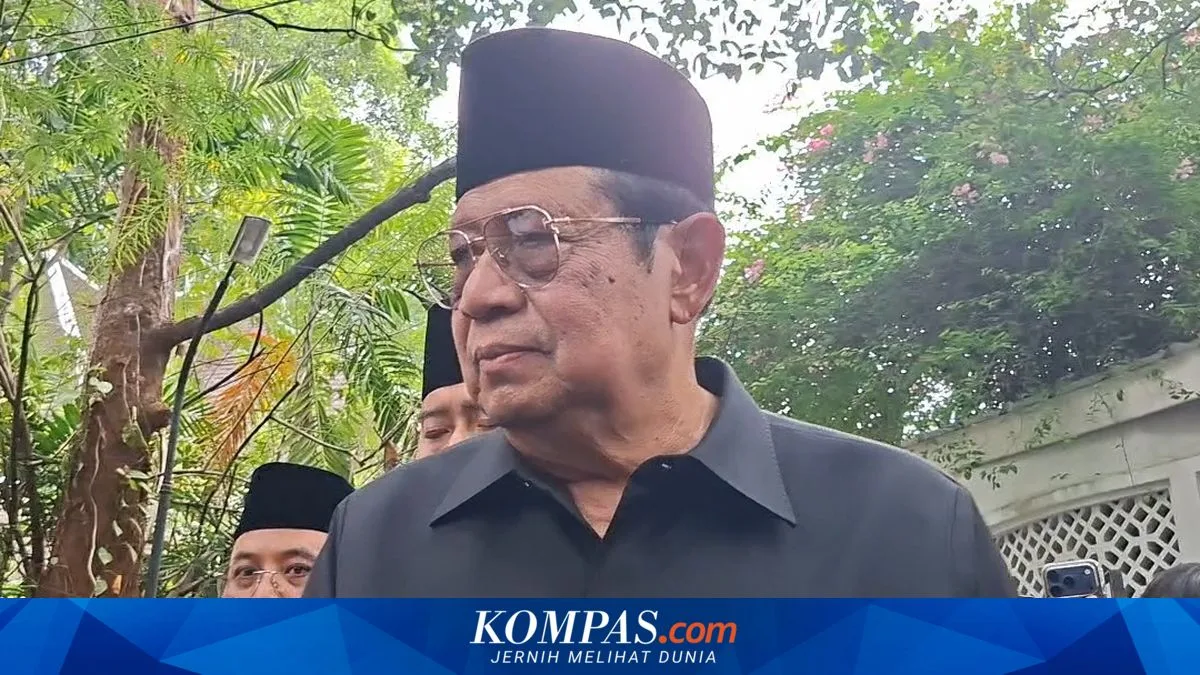
Indonesia's sixth president, Susilo Bambang Yudhoyono, paid his last respects to Guruh Soekarnoputra, calling the deceased a figure who devoted his life to Indonesia through art rather than practical politics. SBY made the statement while visiting the mourning house at Jalan Sriwijaya Raya Number 26, Jakarta, on Saturday (26/9/2026), hours after Guruh drew his last breath at MRCCC Siloam Hospital, Semanggi, at 04.16 WIB.
Guruh, whose full name was Mohammad Guruh Irianto Sukarnoputra bin Soekarno, died at the age of 73. He was the younger brother of PDI Perjuangan chairwoman Megawati Soekarnoputri and the son of Indonesia's first president, Soekarno, from his marriage to Fatmawati. The news closes a critical period that had drawn public attention, after he was previously treated intensively at the same hospital.
On that occasion, SBY underlined that Guruh's contribution was not limited to one field of art. According to him, Guruh's love for the country was expressed through songs, art performances with the Mahardika group, and the paintings he produced. "Everyone knows that Mas Guruh's love for the beloved Indonesia was expressed in his artworks," SBY said, as quoted from a press statement.
SBY also recalled his private discussions with Guruh while he was still president. He once invited Guruh to the State Palace for a long talk, not about politics, but about how the nation could advance through cultural and artistic approaches. "We talked for quite a long time about many things, listening to his thoughts, not in the political field, but what this nation could do through a cultural approach, an artistic approach," SBY recalled.
"Mas Guruh did many things for this country, for our brothers and sisters, the Indonesian people, through his masterpieces in the arts."
— Susilo Bambang Yudhoyono, 6th President of Indonesia
For the Indonesian public, the name Guruh Soekarnoputra is indeed closely tied to a cultural legacy that transcends generations. The songs he wrote, especially those sung by Chrisye, are part of the nation's collective memory. "Kala Sang Surya Tenggelam" and "Galih dan Ratna" were not merely hits in their time but have become classics that continue to be played today. His contribution to the arts shows that cultural strength can be a tool of diplomacy and a binding force for the nation, something relevant amid today's political dynamics.
Politically, Guruh's passing marks the end of a chapter in the extended Soekarno family. Although he never held an executive position like his older sister, Guruh remained a respected figure for his consistency in the arts. PDI-P Secretary General Hasto Kristiyanto stated that Guruh would be buried at TPU Karet Bivak, Jakarta, next to the grave of his mother, Fatmawati Soekarno, after the zuhur prayer. The funeral procession is expected to be attended by a number of national figures and members of the public wishing to pay their last respects.
For those in the creative industry and the cultural economy, Guruh offers a lesson on how artworks can become an enduring legacy that outlasts short-term political interests. At a time when many figures choose the path of power, Guruh chose to remain consistent in his craft, and it is precisely from there that he is widely remembered. This reflects that building the nation's character does not always have to come through formal policy, but can also come through deeply rooted cultural expression.
Going forward, the remaining question is who will carry on the baton of cultural struggle in the style of Guruh Soekarnoputra? Amid the currents of digitalization and commercialization of art, is there still room for artists who prioritize national values over instant popularity? Guruh's legacy seems to challenge the younger generation not to forget their cultural roots in every work they create.