Cambodia Designates Genetic Conservation Area for Siamese Crocodile, Last Hope for Critically Endangered Species
Baca dalam 60 detik
- Kementerian Lingkungan Hidup Kamboja resmi menetapkan 315 hektare lahan basah di Provinsi Pursat sebagai kawasan konservasi genetik untuk melindungi populasi liar buaya Siam yang tersisa.
- Komunitas adat Chorng berperan sentral dalam penemuan kembali spesies ini setelah sempat dianggap punah, dan kini menjadi ujung tombak patroli serta pemantauan sarang.
- Keberhasilan kawasan ini berpotensi menjadi sumber pemulihan populasi buaya Siam di Asia Tenggara, termasuk mendukung upaya reintroduksi di Indonesia yang populasinya diduga telah hilang.
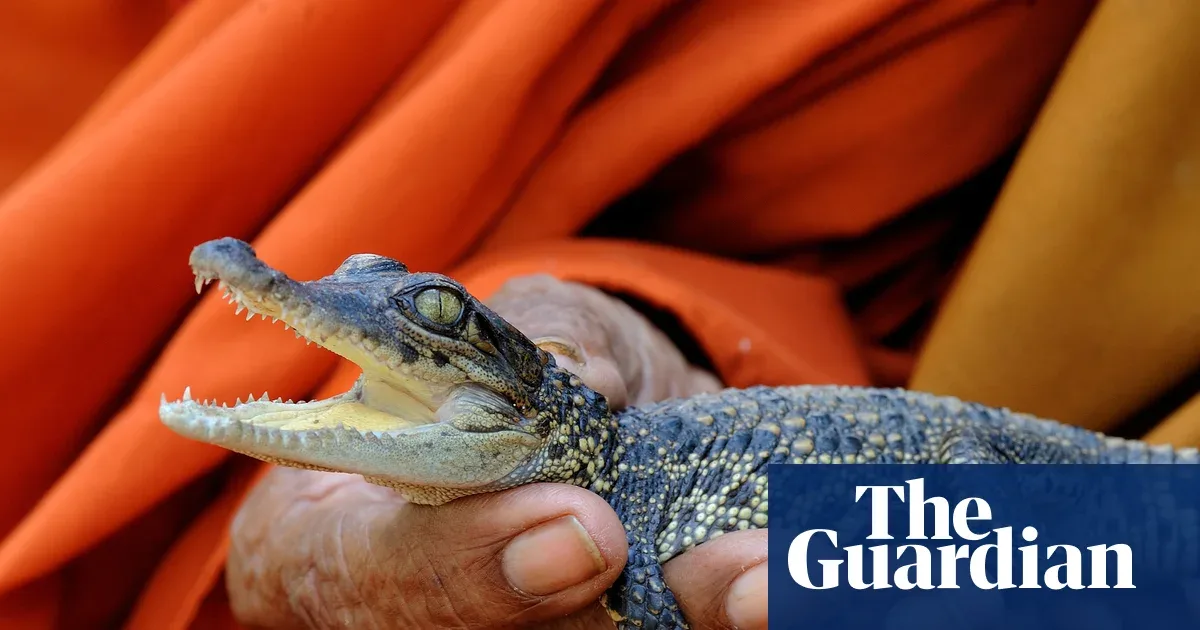
Cambodia has taken a historic step by designating 315 hectares of wetlands at the northern tip of the Cardamom Mountains, Pursat Province, as a genetic conservation area for the Siamese crocodile (Crocodylus siamensis). The decision, signed by the Ministry of Environment on 22 July, provides a legal shield for one of the last wild populations of a species listed as critically endangered on the International Union for Conservation of Nature (IUCN) Red List.
The area is estimated to hold at least 40 wild Siamese crocodiles. That number is small but significant because the population still carries pure genetic material—a rare commodity amid widespread crossbreeding with farmed crocodiles that has stripped many other populations of their genetic authenticity. Conservationists call the site a "gene bank" that could serve as a source for future population recovery.
The path to the designation was inseparable from the role of the indigenous Chorng community. In the 1990s, conservation experts had considered the Siamese crocodile lost from its natural habitat due to hunting and environmental damage throughout the 20th century. However, Chorng residents living in villages around the mountains kept reporting sightings of the reptile. That information was then passed on to a research team that conducted a survey in 2000, leading to the species' official recording.
"Indigenous people have a strong belief in their connection with nature. They plant and farm along the river, and when Siamese crocodiles come and damage their crops, they actually smile with happiness," said Sony Oum, Director of Conservation International for Cambodia, as quoted in the report.
For the Chorng, the Siamese crocodile is not merely a predator. They regard it as a sacred guardian of the rivers and forests—a spiritual relationship that has endured for generations. This attitude of coexistence is what makes the indigenous community an ideal partner in conservation programs. Since 2011, the conservation organization Fauna & Flora International has established a breeding facility to propagate Siamese crocodiles with pure lineages. To date, 246 individuals have been released into protected rivers, with 100 of them released since 2024.
The program's success is evident in the discovery of five wild nests containing 106 eggs in the Cardamom Mountains in 2024. Community rangers monitored the nests and witnessed 60 hatchlings emerge—the largest wild breeding event recorded this century. "Without the active involvement of the community as the frontline, our program would not succeed," said Vanny Lou, manager of the Siamese crocodile program at Fauna & Flora.
Threats to the Siamese crocodile do not come from hunting alone. Habitat destruction and crossbreeding with farmed crocodiles have eroded the genetic purity of wild populations. Small, isolated groups are vulnerable to inbreeding, which can reduce reproductive capacity and disease resistance. Maintaining genetic diversity is therefore key. Oum calls the conservation area a "gene bank" that, if its population is healthy and growing, could support the recovery of Siamese crocodiles in Malaysia, Myanmar, and Indonesia—countries where the reptile is suspected to have gone extinct.
For Indonesia, Cambodia's move is an important mirror. Indonesia once had Siamese crocodile populations in Kalimantan and Sumatra, but they are now highly threatened, and possibly already gone. Future reintroduction efforts require healthy and diverse genetic sources. Cambodia's success in marrying conservation with local wisdom could serve as a model for managing conservation areas in Indonesia, especially those involving indigenous communities.
Going forward, the biggest challenge is ensuring this genetic conservation area is truly protected from development pressure and poaching. There must also be guarantees of sustainable funding and the involvement of the younger Chorng generation. If successful, it is not impossible that the Siamese crocodile will once again roam Southeast Asian waters—a recovery that began with the indigenous community's faith in their "river guardians."