El Niño Supercharged Threat Looms Over Hawaii: Three Major Storms in Three Months, 500 Homes Damaged
Baca dalam 60 detik
- Badai Nolo menjadi siklon tropis ketiga yang menghantam Hawaii sejak Agustus, memaksa evakuasi dan merusak infrastruktur.
- Pemanasan laut akibat El Niño kuat menggeser jalur badai Pasifik ke arah barat, meningkatkan peluang hantaman langsung ke kepulauan.
- Para ahli memperingatkan musim badai Pasifik belum berakhir dan intensitasnya bisa melampaui rekor historis.
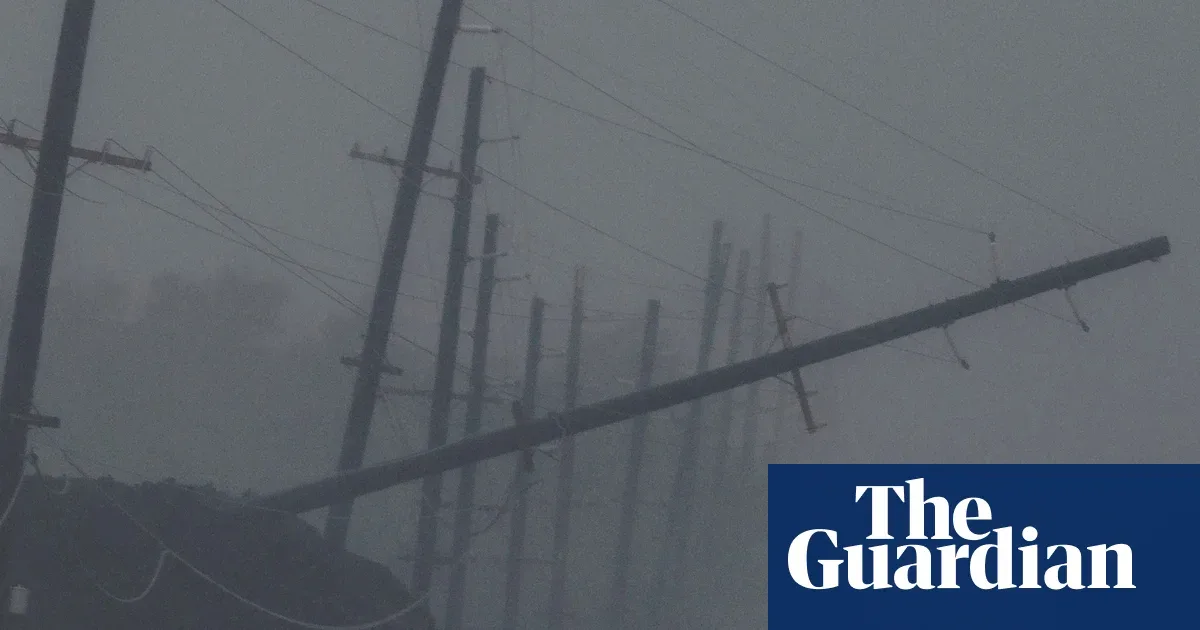
Storm Nolo, which strengthened into a hurricane on Thursday night, has become the latest threat to Hawaii, marking the third major tropical cyclone to hit the islands in just three months. After Lala in August and Lowell in early September, which flooded settlements, damaged roads, and downed power lines, Nolo is expected to bring extreme rain and high waves that could worsen the damage. More than 500 homes have been damaged or destroyed by the earlier storms, and rainfall from Nolo is predicted to be measured in feet, not inches.
Hawaii is geographically rarely a direct target of hurricanes because of its isolated position in the north-central Pacific Ocean, stretching about 1,500 miles. The islands have long been considered to have a "force field" that deflects storms. But this year that pattern has changed drastically. Since Hurricane Iniki in 1992, which devastated Kauai with 145 mph winds and damaged 70% of buildings, Hawaii had not experienced a direct hit. Now, a combination of warm ocean temperatures and shifting storm tracks has made that threat real again.
Dr Nicholas Grondin, an environmental science expert at the University of Tampa, explained that Hawaii's natural protection comes from its small size in a vast ocean and cooler water temperatures east of the islands. "Without warm ocean water as fuel, hurricanes tend to weaken and die as they approach the islands," he said. However, this year's El Niño has heated the tropical Pacific sea surface exceptionally, erasing that natural barrier. This climate phenomenon not only suppresses storm activity in the Atlantic but also strengthens cyclone formation in the Pacific.
Matthew Rosencrans, lead forecaster at the National Oceanic and Atmospheric Administration (NOAA), said that El Niño has shifted storm formation farther south and west this year. "That puts them in a position where they can move west toward the Hawaiian Islands," he said. As a result, this year's hurricane season has been delayed, with risks that usually decline after July remaining high until the end of the year. September and October become much busier months in El Niño years.
The climate crisis is worsening the situation. Dr Marc Alessi of the Union of Concerned Scientists stated that the ocean absorbs 92% of the excess heat from the climate system caused by heat-trapping pollutants. According to him, the energy absorbed by the ocean in the past year is equivalent to the explosion of about 12 Hiroshima bombs every second. "For the coming year, we can expect precipitation and other extreme weather that we have never seen before," he said. For Pacific hurricanes, Rosencrans added, this means storms can carry more water vapor and produce stronger winds.
The impact on Indonesia deserves attention. As an archipelagic country in the Pacific region, Indonesia is also vulnerable to changes in weather patterns due to El Niño, although usually in the form of drought and prolonged dry seasons. However, the westward shift in storm tracks can affect wind and wave patterns in Indonesian waters, especially in eastern regions such as Papua and Maluku. In addition, global ocean warming threatens coral reef ecosystems and the fisheries sector, which is the backbone of coastal economies. The government and the public need to increase preparedness for extreme weather that is increasingly difficult to predict.
While debris cleanup and infrastructure repairs after Hurricane Lowell continue, Hawaii's emergency management authorities are urged to remain vigilant for the next potential storm. "They need to reset and pay attention to every potential future impact," Rosencrans said. "This season is not over – it's still long." The question is, how ready is the Pacific region, including Indonesia, to face a new era in which a warming ocean makes tropical storms more frequent and more ferocious?