37 Migrant Workers Sent to Saudi Arabia, Government Stresses Knowledge Transfer
Baca dalam 60 detik
- Wakil Menteri P2MI Dzulfikar Ahmad Tawalla melepas 37 calon pekerja migran Indonesia (CPMI) peserta program SMK Go Global untuk bekerja di Arab Saudi sebagai mechanical machinery assembler.
- Pemerintah mendorong konsep brain circulation: pekerja migran tidak hanya mencari upah, tetapi juga menyerap keahlian dan teknologi untuk kemudian ditransfer ke dalam negeri.
- Langkah ini menjadi bagian dari persiapan Indonesia menghadapi aging population, dengan memanfaatkan pengalaman pekerja migran sebagai modal pembangunan sumber daya manusia.
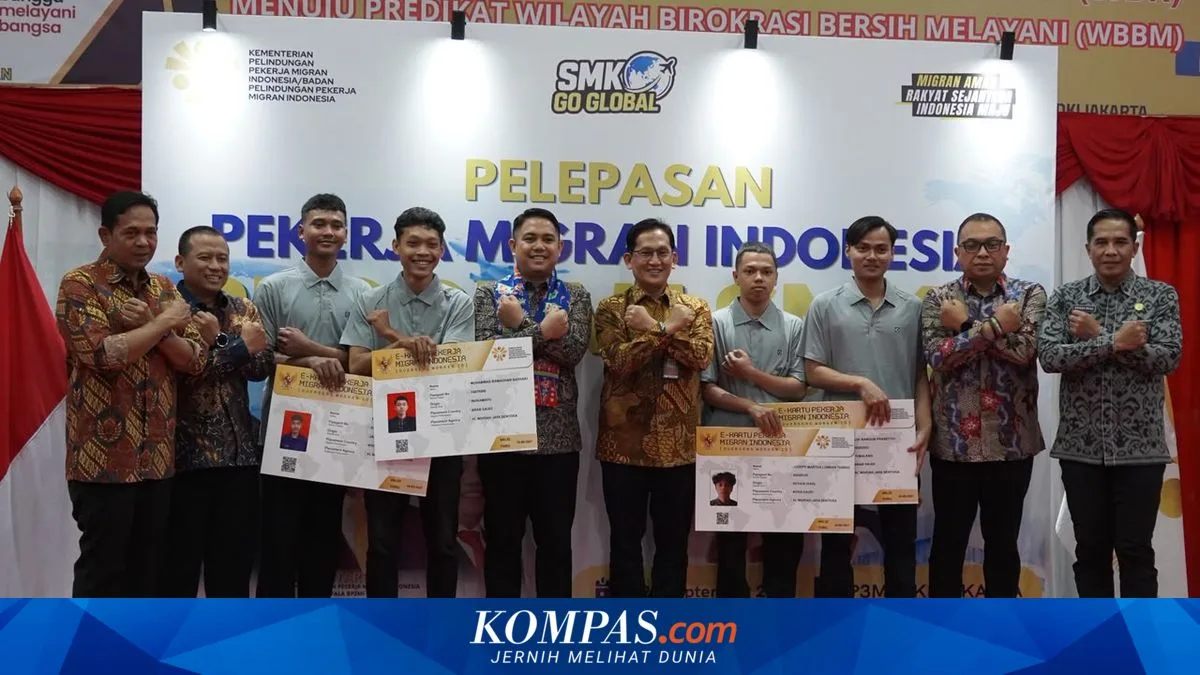
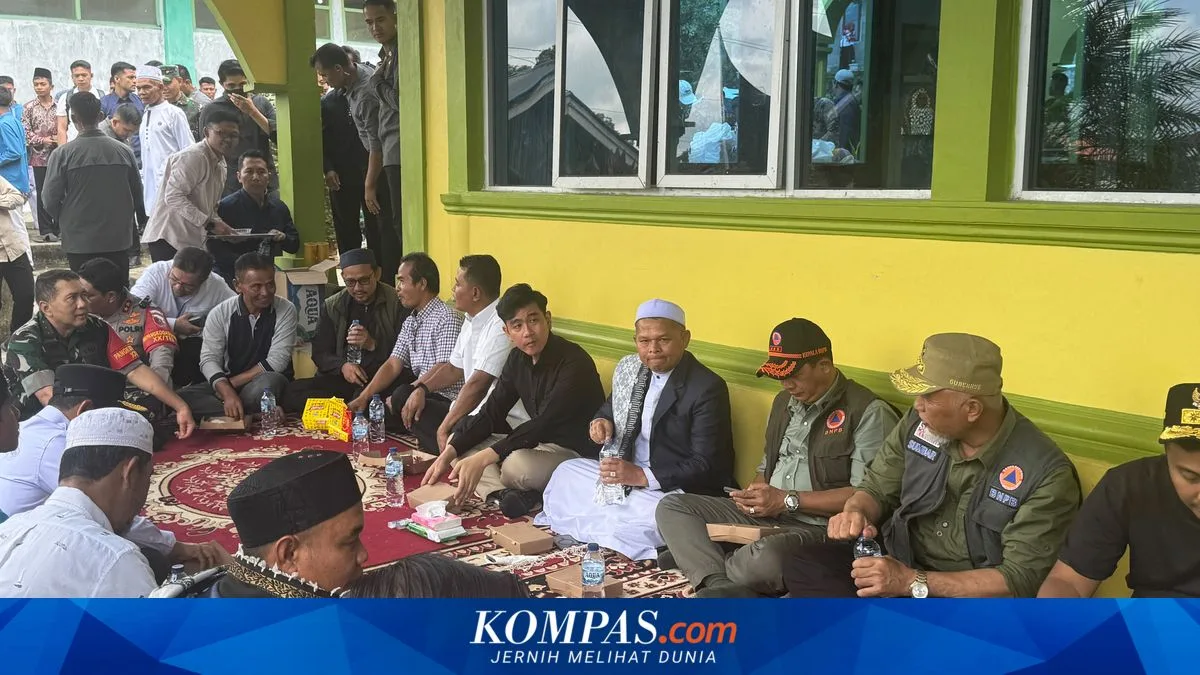
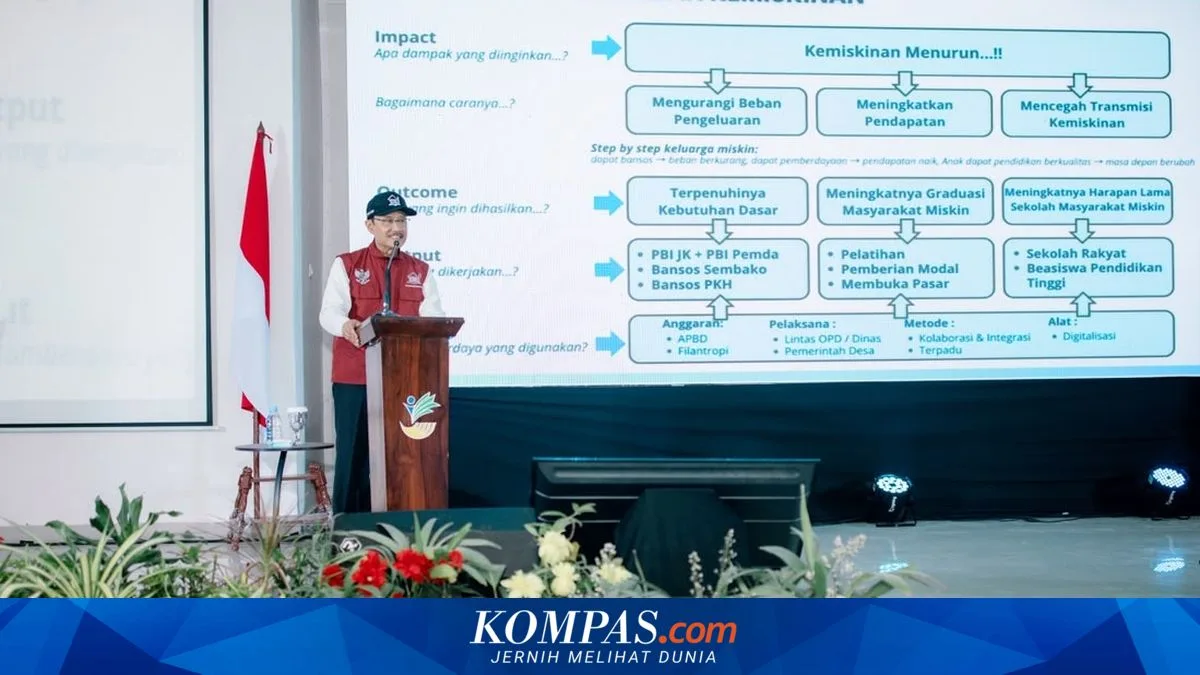
A total of 37 Indonesian migrant worker candidates (CPMI) were dispatched to Saudi Arabia to fill mechanical machinery assembler positions—a role covering the assembly, installation, and adjustment of machine components. The send-off was led by Deputy Minister for the Protection of Indonesian Migrant Workers (P2MI) Dzulfikar Ahmad Tawalla in Jakarta on Friday (25/9/2026).
Of that total, 22 people are scheduled to take part in the Pre-Departure Orientation (OPP) at BP3MI DKI Jakarta, while the other 15 have completed OPP at P4MI Bekasi. They are participants in the Capacity Building Program supporting the SMK Go Global initiative. Before departure, all CPMI had received training, including English language certification through the English Language Professional Certification Institute (LSP Bahasa Inggris).
In his remarks, Dzulfikar stressed that working abroad is not merely about chasing income. He asked the migrant workers to absorb as much knowledge and technology as possible while in the placement country. “Absorb as much technology as you can, absorb as much knowledge as you can from abroad,” he said in a written statement.
Dzulfikar highlighted the importance of the concept of brain circulation, a pattern in which migrant workers gain knowledge and skills abroad, then bring them back to Indonesia to pass on to the next generation. He cited Japan, South Korea, and Germany, which are beginning to face an aging population—a condition in which the proportion of elderly residents exceeds the young population. “When we arrive at an aging population situation, you will already be experts in your respective fields,” he said.
According to him, work experience abroad can be valuable capital for Indonesia. He hopes migrant workers will transfer knowledge not only to their peers but also to future generations. “You go out and absorb that knowledge, and then once you return to Indonesia, you carry out transfer knowledge, not only to as many friends as possible, but to the following generations,” he said.
This dispatch program reflects the government's strategy in managing labor migration. Rather than merely sending workers to fill vacancies in other countries, there is a systematic effort to ensure that the skills acquired can contribute to domestic development. This approach aligns with Indonesia's needs, as the country is projected to enter an aging population phase in the coming decades.
For readers in Indonesia, particularly investors and professionals, this step opens opportunities for cross-country collaboration in the employment sector. Building the capacity of migrant workers could strengthen the competitiveness of the national workforce while also driving technology transfer in the manufacturing and automotive industries. However, challenges remain: ensuring that the knowledge gained is truly implemented when workers return home.
Going forward, the effectiveness of such programs will depend on an ecosystem that welcomes the return of migrant workers. Is Indonesia ready to provide a platform for them to apply the skills honed abroad? That question is crucial so that brain circulation does not stop as discourse.