BNPB Chief Apologizes for 'Normal' Remark Amid Forest Fire Haze
Baca dalam 60 detik
- Letjen TNI Suharyanto menyampaikan permohonan maaf terbuka setelah pernyataannya dalam rapat terbatas bersama Presiden menuai kritik.
- Ia menegaskan kata 'normal' hanya merujuk pada aktivitas dasar seperti lalu lintas dan perdagangan, bukan kondisi lingkungan atau kesehatan.
- BNPB berjanji memperbaiki integrasi data lapangan agar laporan ke Presiden dan publik menggambarkan situasi secara utuh.
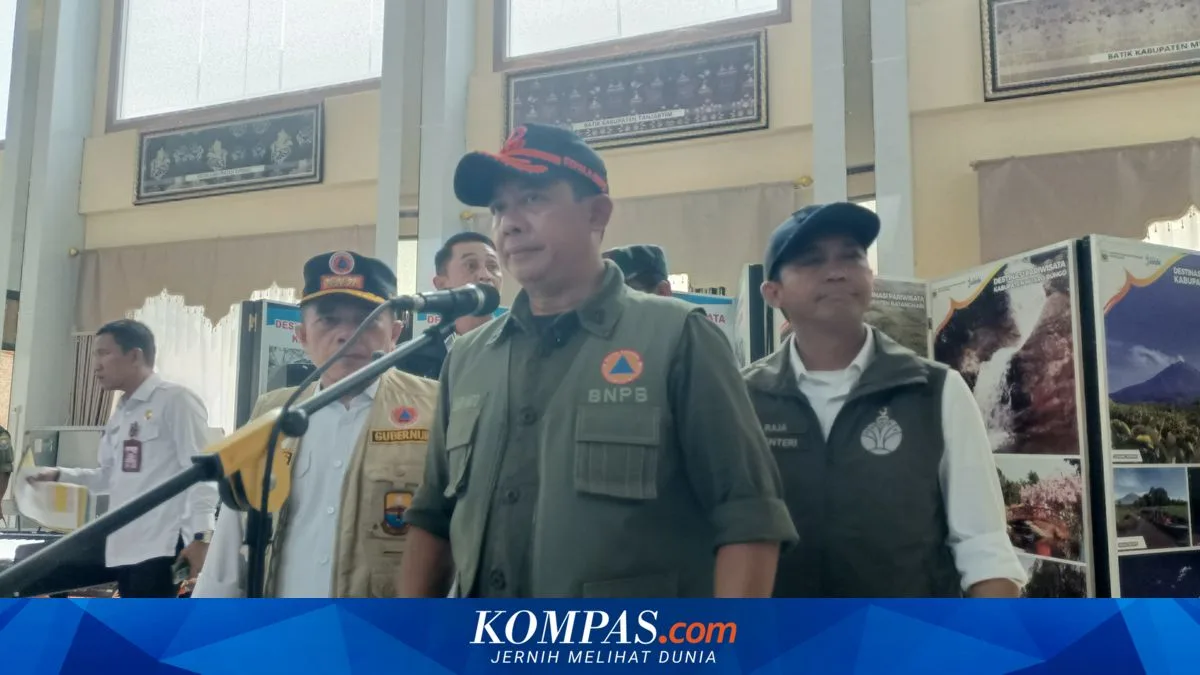
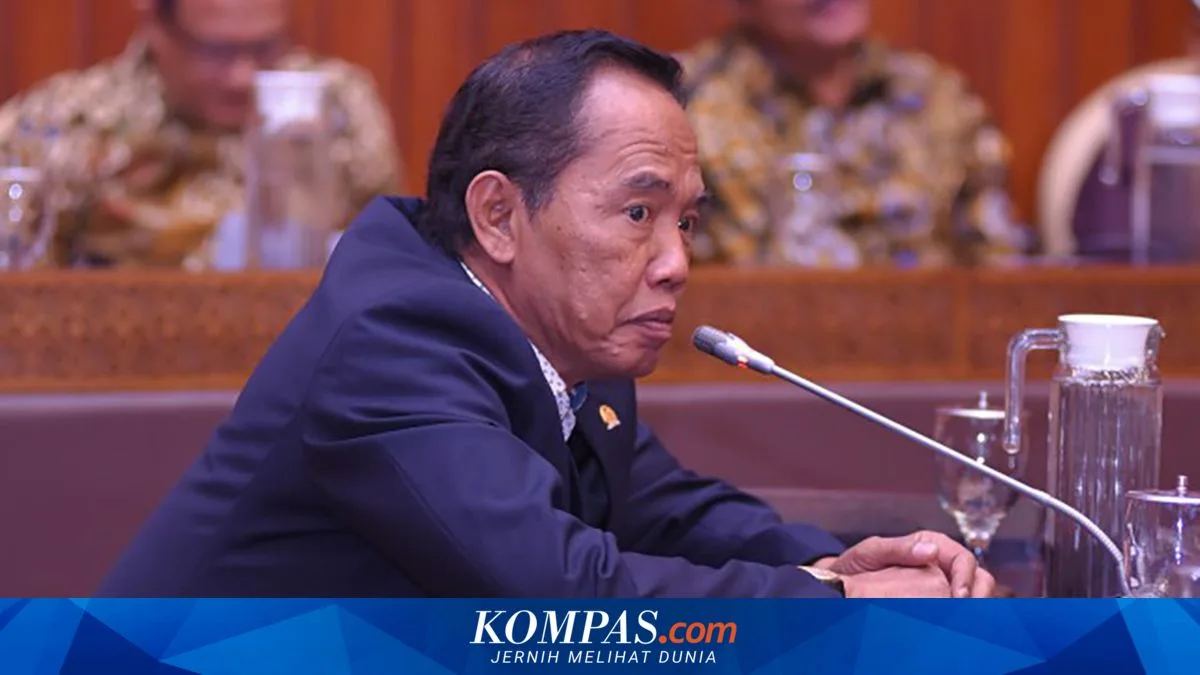
JAKARTA — Head of the National Disaster Mitigation Agency (BNPB) Lt. Gen. Suharyanto apologized to communities affected by forest and land fires (karhutla) after his remark at a limited meeting with the President on 23 September 2026 sparked controversy. In a clarification posted on his personal Instagram account on Friday (25/9/2026), he stressed he did not mean to downplay the suffering of residents in Central Kalimantan and West Kalimantan who are still grappling with the haze.
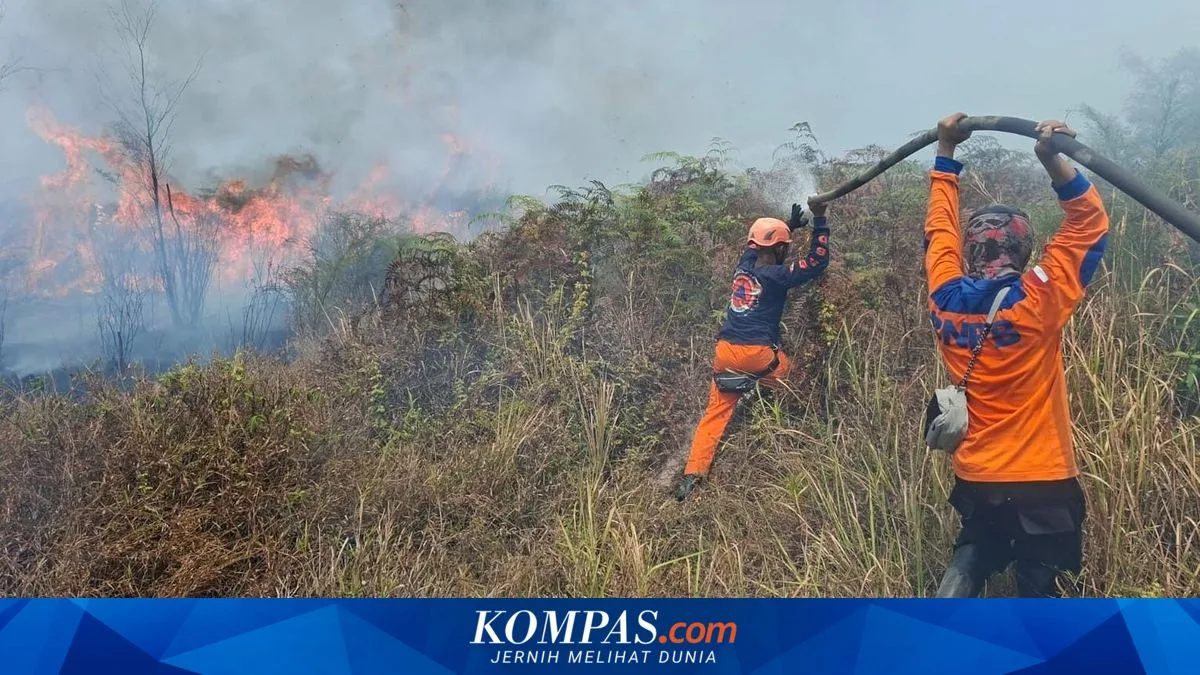
Suharyanto's initial remark that "the wheels of community life are running normally" amid the haze disaster drew sharp reactions from various quarters. Criticism came not only from netizens but also from civil society organizations and several regional heads who judged the government's narrative as drawing conclusions too quickly. The situation was compounded by the fact that the haze had disrupted commercial flights and aerial firefighting operations, indicators that are hard to dispute as signs of an environmental crisis.
In his clarification, Suharyanto explained that the word "normal" he used referred to limited indicators of basic community activity, such as land traffic, trade, and public services that were still running. He stressed the statement was not meant to conclude that environmental conditions had recovered, let alone ignore residents' difficulties. "Nor was it meant to reduce the fact of the declining quality of life of communities affected by karhutla and the haze," he said.
Nevertheless, he acknowledged that the choice of wording could create a perception that the government regarded this disaster as an ordinary situation. "I apologize to communities affected by karhutla if the choice of words I used in the report was judged to give the impression that the government regards the condition of people amid the haze disaster as nothing out of the ordinary," Suharyanto said. The statement signals that the government is trying to calm increasingly sharp public unease.
"The safety, health and quality of life of affected communities are always our top priority." — Lt. Gen. Suharyanto, Head of BNPB
Furthermore, Suharyanto assured that BNPB, together with ministries/agencies, regional governments, the TNI, Polri, Manggala Agni, volunteers, and all related elements, continues to work hard on firefighting and handling health impacts. He also committed to improving and integrating data from all elements in the field so that information conveyed to the President and the public reflects conditions fully and accurately. This step is crucial given that strategic decision-making, including the allocation of resources and budget, depends heavily on the validity of data.
For readers in Indonesia, especially businesses and investors, this clarification highlights the importance of disaster data transparency as a policy basis. Inaccurate information can affect the investment climate in the plantation, forestry, and logistics sectors in Kalimantan. In addition, deteriorating air quality has the potential to cause long-term health costs and reduce labor productivity. Regional governments are also expected to be more responsive in reporting field conditions, rather than merely conveying reassuring narratives.
Going forward, the public will watch whether the improvement in data integration truly materializes or remains a rhetorical promise. The big question: can BNPB and related ministries present honest, evidence-based reports, so that karhutla mitigation policy no longer draws similar controversy?