Record US Heat Wave: Workplace Safety Regulation Frozen, Workers on the Front Line
Baca dalam 60 detik
- Pemerintahan Trump membekukan aturan keselamatan panas era Biden yang mewajibkan air, naungan, dan istirahat bagi pekerja.
- Hanya tujuh negara bagian AS yang memiliki standar perlindungan panas yang dapat ditegakkan, sementara studi menunjukkan perlindungan California menurunkan kematian akibat panas hingga 33%.
- Tekanan politik terhadap regulasi iklim dan keselamatan kerja di AS dapat mempengaruhi kebijakan ketenagakerjaan global, termasuk di Indonesia.
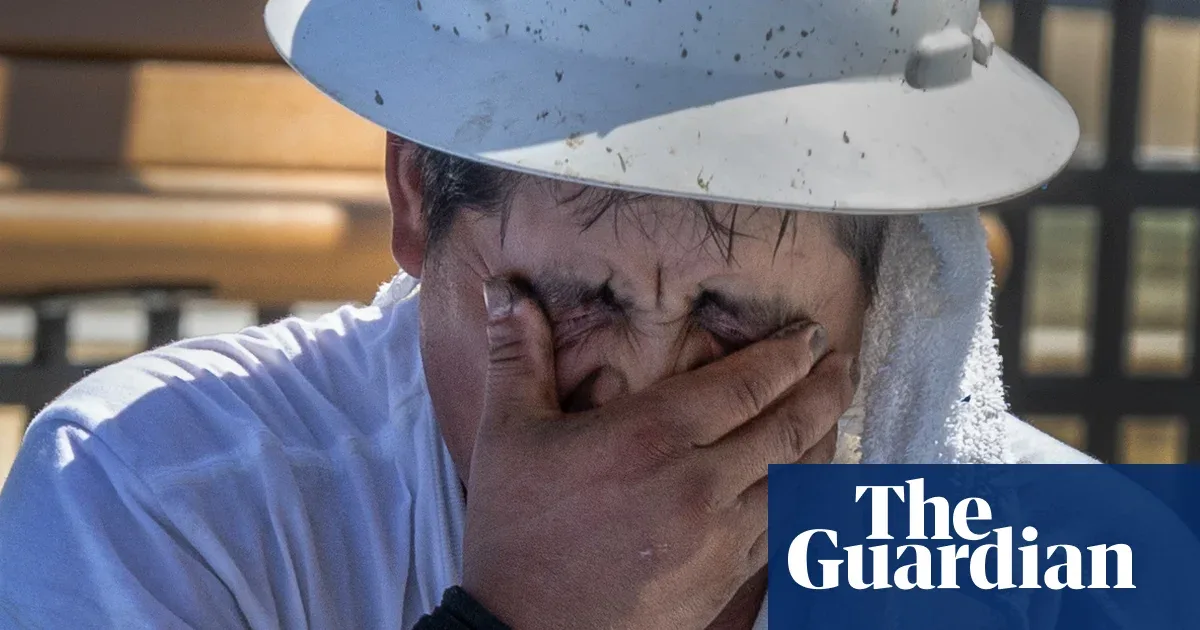
The hottest summer in United States (US) history has put workers on the front line of the heat crisis, while the Trump administration and Republicans in Congress have instead rolled back federal regulations designed to protect them from illness and death caused by extreme heat exposure.
In January 2025, the White House indefinitely froze the Biden-era heat safety rule that required the provision of water, shade, rest, training, and prevention plans for workers. The move was reinforced by a legislative push from Republicans in the House that bars the US Department of Labor from enforcing similar protections. At the state level, Florida and Texas have passed laws prohibiting local city and county governments from enacting heat protections.
Large business groups and lobbyists from the agriculture and construction sectors oppose heat protection standards, arguing that employers already take the actions that would be required and that the rule would be a burden. However, workers who took part in a Climate Week roundtable discussion in New York City earlier this month strongly disputed that claim.
"It's like torture. We recorded temperatures of 130F to 140F in school kitchens during the summer," said Donald Nesbit, executive vice president of Local 372 and a former school cafeteria worker. "If we locked animals in a car under those conditions, we would be arrested. Yet workers work in those conditions, so there must be protections."
Esther Minton, a member of Sheet Metal Workers Local 28 in New York City, said that working outdoors in summer means having to learn to stay hydrated, dealing with portable toilets that are hotter than the outside air, and handling copper metal exposed to direct sunlight. "Your body is fighting hard to stay cool, your body is fighting hard not to dehydrate," she said.
Julie Su, New York City's deputy mayor for economic justice and a former Biden-era Labor Secretary, stressed the need for a federal heat standard. "We already proposed one, but the administration is not moving. Many states have standards, and New York does not," she said. Last June, Su and New York City Mayor Zohran Mamdani issued heat protections for city workers, responding to the withdrawal of the federal rule.
A US Department of Labor spokesperson said that OSHA is reviewing public comments from hearings on the proposed rule, "Heat Injury and Illness Prevention in Outdoor and Indoor Work Settings," and providing compliance assistance to employers on workplace hazards, including guidance on keeping employees safe in hot weather.
Indonesian Context
This US policy has significant implications for Indonesia, especially regarding labor standards and worker protection in sectors vulnerable to extreme heat, such as agriculture, construction, and manufacturing. Indonesia itself faces similar challenges with rising global temperatures and increasingly frequent heat waves. Although Indonesia does not yet have specific regulations on workplace heat protection, international pressure and awareness of climate change could push the government to consider similar policies. In addition, multinational companies operating in Indonesia may face demands from global investors and consumers to apply higher safety standards, regardless of local regulations. In the long term, the weakening of protections in the US could undermine global advocacy for workers' rights and slow the adoption of similar standards in developing countries.
With extreme summers projected to keep intensifying, the question is whether pressure from unions, health studies, and public opinion will be enough to drive policy change in the US and other countries, or whether business interests will continue to override worker safety.