Meta Muse: An AI Assistant That Can Shop and Negotiate Bills, but Sets Off Privacy Alarms
Baca dalam 60 detik
- Meta resmi meluncurkan Muse, agen AI yang mampu menyelesaikan tugas digital seperti memesan tiket, membatalkan langganan, hingga menegosiasi ulang tagihan internet.
- Perusahaan menambahkan perangkat fisik Muse Charm seukuran gantungan kunci dan integrasi ke kacamata pintar untuk memperluas ekosistem tanpa ponsel.
- Kritik privasi mencuat karena akses luas ke data pribadi, sementara Amazon memblokir agen ini dan saham Meta justru melonjak hampir 25% sejak peluncuran.
Meta has officially marketed Muse, an artificial intelligence agent designed to carry out digital tasks on behalf of users, from ordering groceries and scheduling appointments to contacting customer service. The move marks a new chapter in the increasingly crowded AI assistant market, while also sparking debate over how far technology companies may access personal data.
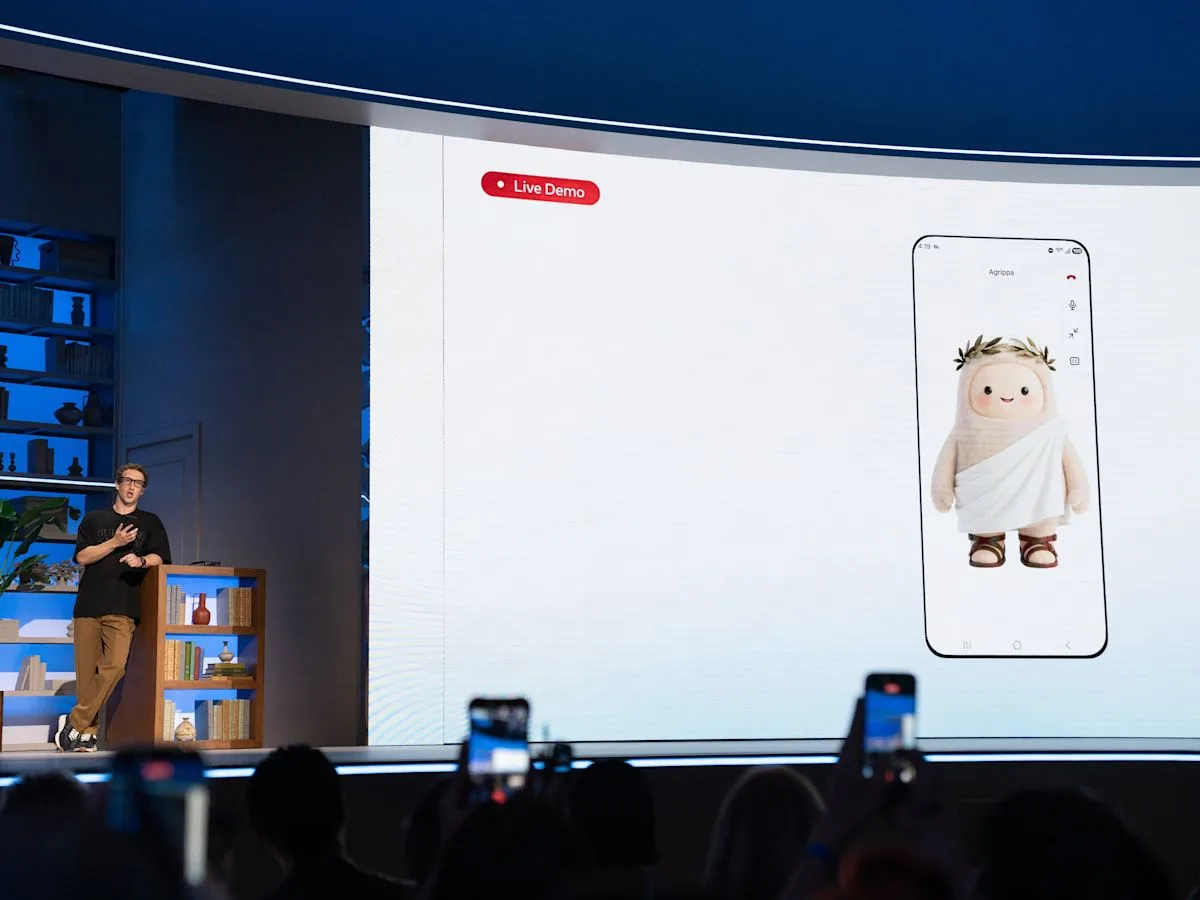
At its annual conference on Wednesday (23/9), Meta CEO Mark Zuckerberg introduced Muse Charm, a keychain-sized device that allows interaction with the AI agent without holding a phone. Meta also announced that Muse will come to its Meta Glasses smart glasses in the coming months. The hardware expansion shows Meta's ambition to make AI an always-on interface layer, not just an app on a screen.
Since its launch earlier this month, Meta shares have risen nearly 25%, a signal that the market welcomes the company's move into autonomous agents. Yet behind the euphoria, some observers highlight the risks that come with giving AI broad access to phone apps, financial information, and users' personal data.
Muse works like a typical AI chatbot: users can type questions and commands in a back-and-forth dialogue. The difference is that the agent is claimed to be able to complete real tasks, such as booking movie tickets, managing a social calendar, returning products, navigating automated customer service instructions, and even settling unpaid parking fines. Some users have shared their experiences on social media, including canceling forgotten subscriptions and renegotiating internet rates.
Zuckerberg also introduced Muse Realtime Avatar, a feature that allows live conversation with a chosen AI avatar. "You can talk at length and Muse will work in the background and get things done," he said in a social media post. The feature reinforces Muse's position as an assistant that not only answers but also acts.
"I would not trust Meta with this level of access and control over personal information," cybersecurity consultant Tate Jarrow wrote in a Substack post, referring to the company's track record in safeguarding user data.
Similar criticism came from Patrick Wardle, co-founder of the nonprofit Objective-See foundation, which focuses on Apple device security. According to him, the broad access Muse needs to function actually opens a gap for malware or local attackers to hijack a user's digital life invisibly. He advised users not to install the app.
Amazon became the first company to openly reject Muse's presence. The e-commerce platform blocked the AI agent's access and displayed a message that "unauthorized AI" violates Amazon's Conditions of Use, as seen in screenshots circulating on social media. The move indicates that integrating AI agents into third-party services will not go smoothly without platform approval.
Responding to those concerns, Zuckerberg stressed that Muse was designed with privacy protections from the start. He mentioned a "secure credential store" for passwords and credit cards so that Muse cannot read them. "We will roll out a higher security standard for those who want it, where even Meta cannot access the information in your Muse agent," he added.
For Indonesia, the presence of AI agents like Muse opens both opportunities and challenges. On one hand, consumers in the country can enjoy the ease of transactions and handling digital administration. However, the personal data protection regulation recently implemented through the PDP Law still faces a test in overseeing foreign companies that manage cross-border data. If Muse enters officially, authorities need to ensure that Indonesian users' data is not misused and that consent mechanisms are truly explicit.
The big question is no longer whether AI agents will become part of daily life, but how much control users are willing to give up for convenience. Meta appears to be betting that ease will outweigh privacy anxiety—a bet that will be tested by the response of regulators, partner platforms, and consumers in various countries, including Indonesia.