Iran Puts Decision to End War in US Hands, China Steps In as Mediator
Baca dalam 60 detik
- Presiden Iran Masoud Pezeshkian menyatakan Amerika Serikat memegang kunci untuk menghentikan konflik bersenjata yang telah berlangsung tujuh bulan.
- Serangan rudal dan drone Houthi ke Arab Saudi kembali memanaskan situasi, sementara lalu lintas kapal di Selat Hormuz anjlok ke level terendah.
- KTT AS-China di Washington menghasilkan konsensus yang dinilai Beijing sebagai faktor penentu untuk meredakan ketegangan di Timur Tengah.
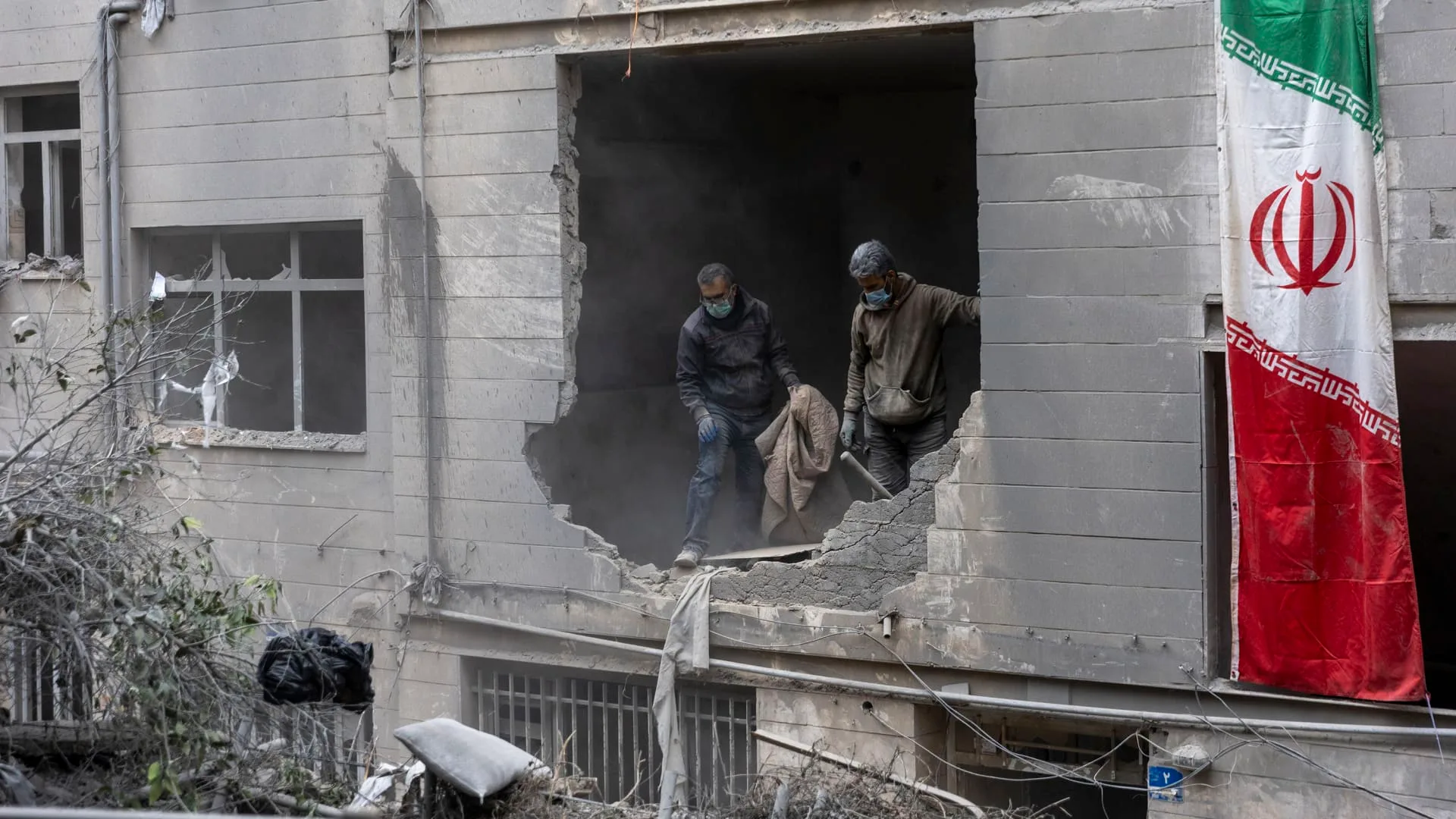
Iranian President Masoud Pezeshkian openly stated that the decision to end the war, now in its seventh month, rests with the United States. The statement was made in an interview with Fox News on Thursday (25/9/2026), in response to a question on whether the conflict could end before the end of the year. "America must choose whether it wants to end this or not," Pezeshkian said, as quoted by CNBC.
The statement came alongside a new escalation on the ground. On Friday morning local time, the Houthi group launched dozens of missiles and drones at several targets in Saudi Arabia. Saudi authorities claimed to have intercepted six ballistic missiles, while emergency sirens sounded in Mecca, Jeddah, and Yanbu. Saudi Arabia, Turkey, and Pakistan are scheduled to hold an emergency meeting of their chiefs of staff to discuss support under the Mecca Joint Defense Agreement.
Pezeshkian sought to distance Tehran from the escalation. He stressed that the Houthis are responsible for their own actions and that Iran is not at war with Saudi Arabia. However, the Grand Mufti of Saudi Arabia gave a different signal by calling on his forces to be ready to "sacrifice their lives" to fight the Houthis until the group is removed from power.
On the diplomatic front, the conflict has become closely tied to the US-China summit taking place in Washington this week. Chinese President Xi Jinping made a three-day state visit to the United States and met President Donald Trump to discuss trade, artificial intelligence, Taiwan, and Iran. China's Special Envoy for the Middle East, Zhai Jun, said at an event in Singapore that the Middle East situation was a major issue in the talks between the two leaders and that any consensus reached would be crucial to cooling the conflict.
Trump is said to be seeking Beijing's help to pressure Tehran into reaching a settlement. Indirect talks between the US and Iran resumed on the sidelines of the UN General Assembly in New York this week. Iranian officials signaled they could reopen the Strait of Hormuz within seven days if Washington begins to ease its naval blockade of Iranian ports.
"The Middle East situation is a major issue in the discussions the leaders have just held, and the consensus they reach will be crucial to lowering the temperature of the conflict." — Zhai Jun, China's Special Envoy for the Middle East
For Indonesia, these dynamics have direct implications. As a crude oil importer, fluctuations in Brent and WTI prices will affect domestic energy costs and the subsidy budget. Tensions in the Strait of Hormuz—a shipping lane that carries about one-fifth of the world's oil supply—could disrupt tanker routes from the Middle East to Asia, including Indonesia. The government needs to anticipate a surge in shipping insurance premiums and logistics costs that could feed into inflation.
In addition, Indonesia's non-aligned position could be a diplomatic opportunity. Jakarta has a track record as a host of peace talks and is a member of the OIC. If the escalation continues, Indonesia could be pushed to take part in mediation efforts or at least strengthen coordination with Gulf states to guarantee the security of energy supplies.
Looking ahead, the big question is whether the US-China consensus will actually be implemented in the form of concrete pressure on Iran and the Houthis, or whether it will remain rhetoric on paper. Without real steps, the Strait of Hormuz could remain a flashpoint that threatens global economic stability, including Indonesia's.