Indonesia Showcases Giant Sea Wall and Mangrove Rehabilitation at UN Forum
Baca dalam 60 detik
- Menlu Sugiono memaparkan proyek tanggul laut di Pantai Utara Jawa dan rehabilitasi 13.000 hektar mangrove sebagai aksi nyata Indonesia menghadapi kenaikan permukaan air laut.
- Indonesia menegaskan UNCLOS harus tetap menjadi kerangka hukum yang mengikat, termasuk saat garis pantai berubah akibat kenaikan air laut.
- Forum PBB ini menjadi panggung diplomasi iklim Indonesia yang berpotensi memengaruhi kebijakan investasi hijau dan kerja sama internasional.
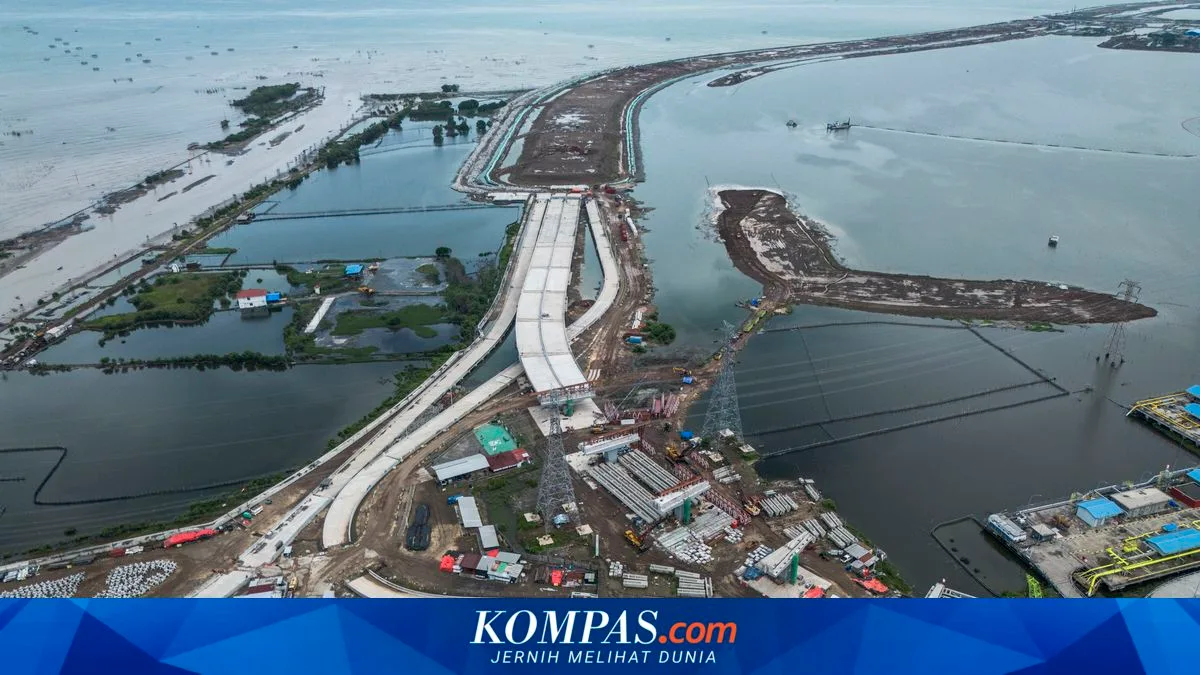
Indonesian Foreign Minister Sugiono used the UN forum in New York to showcase Indonesia's concrete steps in addressing sea level rise. At a meeting at UN Headquarters on Thursday (24/9/2026), he cited two main projects: the construction of a giant sea wall along Java's northern coast and the rehabilitation of more than 13,000 hectares of mangrove forest through the Mangrove for Coastal Resilience program.
These steps are not merely diplomatic rhetoric. For Indonesia, the world's largest archipelagic nation with more than 99,000 kilometers of coastline, the threat of sea level rise is an existential matter. Sugiono stressed that the sea has become an inseparable part of the nation's economic identity and future. "Sea level rise is not a problem far off in the future. We cannot wait until its impacts become irreversible," he said, as quoted from an official statement.
At the forum, Sugiono also highlighted the importance of the international legal framework. He emphasized that the UN Convention on the Law of the Sea (UNCLOS) must remain the reference, especially when coastline changes caused by sea level rise threaten baselines, maritime rights, and the outer limits of lawfully established maritime zones. "The International Court of Justice and the Tribunal for the Law of the Sea have provided authoritative legal interpretations, and we must ensure coherent and consistent application," he added.
The sea wall project along Java's northern coast is itself not without challenges. The area is a center of economic activity, but it is also vulnerable to tidal flooding and land subsidence. Building infrastructure on this scale requires large funding, cross-ministerial coordination, and attention to environmental impacts. Even so, the government appears to want to show that Indonesia is not only talking at international forums but also moving on the ground.
Mangrove rehabilitation complements the coastal defense strategy. Mangrove forests are known to be effective at dampening waves and absorbing carbon, so in addition to protecting the coast, they also contribute to national climate targets. The program aligns with Indonesia's commitment under the Paris Agreement to reduce emissions and strengthen climate resilience.
"We cannot wait until the impacts become irreversible. Our response must be carried out by addressing the causes," Sugiono asserted.
For Indonesian readers, especially investors and businesses, the signal from this UN forum matters. The sea wall and mangrove projects open investment opportunities in green infrastructure, flood control technology, and the blue economy. The government also hopes these projects can attract international support, both in the form of funding and technology transfer. However, long-term success depends on transparency, governance, and policy consistency.
On the other hand, Indonesia's position in affirming UNCLOS as the legal framework signals that the issue of sea level rise cannot be separated from maritime geopolitics. Other archipelagic states in the Pacific and Southeast Asia will be watching Indonesia's steps, as they could set a precedent in maritime territorial disputes triggered by climate change.
Going forward, the question is no longer whether Indonesia can build a sea wall, but whether this ambitious project will proceed on schedule, be transparent in its financing, and truly protect coastal communities. Without that, the international stage will amount to nothing more than ceremony.