MRT Jakarta Says Blok M Hub Free of Double Parking, Vows to Embrace Unofficial Parking Attendants
Baca dalam 60 detik
- PT MRT Jakarta memastikan pengunjung Blok M Hub tidak dikenai tarif parkir berganda, sekaligus menegaskan kawasan itu steril dari praktik pungutan ilegal.
- Pengelola mengakui pernah menerima aduan soal pembayaran ganda, namun setelah ditelusuri, lokasi kejadian berada di luar area yang mereka kelola.
- Strategi memberdayakan juru parkir setempat dinilai sebagai jalan tengah menekan premanisme tanpa menghilangkan sumber penghasilan warga sekitar.
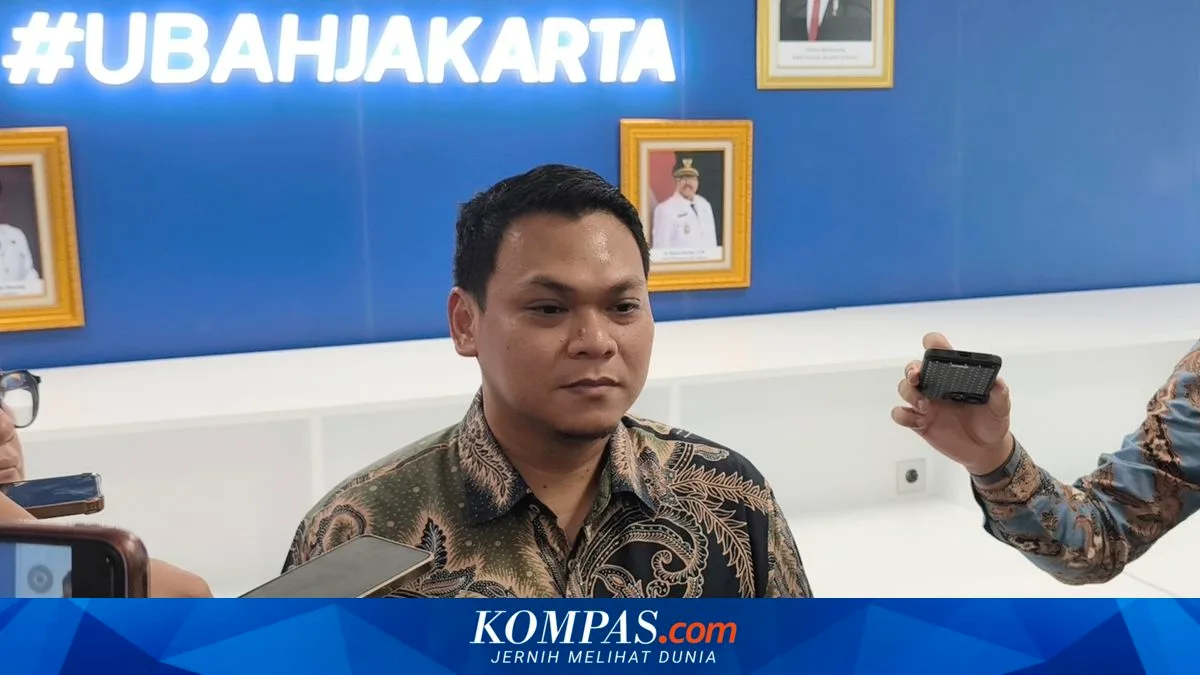
PT MRT Jakarta (Perseroda) has assured visitors to the Blok M Hub area that they do not have to pay twice for parking. The Head of Property Management at MRT Jakarta, M. Iqbal Bimo Arifianto, stressed that the area managed by the company is free of illegal levies and unofficial parking attendants.
"We make sure there is no double parking payment at Blok M Hub," Bimo said during the MRTJ Fellowship Program 2026 session in Central Jakarta on Thursday (24/9/2026). The statement also responded to complaints from a number of visitors who had felt disadvantaged by double charges in the area.
Bimo said his side had received similar complaints several times. However, after investigation, the locations complained about turned out not to be part of the area managed by MRT Jakarta. "There were several complaints at the time, but after we traced them, the incidents happened next door, managed by another party," he explained.
Beyond reaffirming the tariff, Bimo highlighted a more complicated social issue: thuggery. According to him, involving local parking attendants is key to defusing potential conflict. The approach chosen is not eviction, but embracing them by giving them an official role.
"We embrace them. They actually need income. We give them a role, and in the end the parking attendants come from the surrounding residents. So they do not lose their income," Bimo said.
He added that integrated area management cannot be done alone. Developers can only suggest and set an example, while execution on the ground requires collaboration among many parties. "Once it enters the developer's domain, we can only suggest and set an example, we cannot directly take over," he said.
Previously, DKI Jakarta Governor Pramono Anung highlighted the prevalence of illegal parking in Blok M. That spotlight reinforced the urgency of organizing the area, which is a public transportation hub. Blok M Hub itself is part of efforts to develop a transit-oriented development (TOD) area that integrates the MRT mode with centers of economic activity.
For readers in Indonesia, especially investors and business players, certainty in parking governance in TOD areas is an important indicator. Areas like Blok M Hub are projected to become drivers of the local economy, so being free of illegal levies and thuggery will determine the investment climate. If parking management alone can be fixed, trust in transit property management could increase.
On the other hand, MRT Jakarta's move offers a lesson on a humanist approach to bringing the informal sector into order. Instead of removing unofficial parking attendants, they are given official space. This model can be replicated in other TOD areas in Jakarta and satellite cities, as long as there is strict supervision so it does not become a loophole for illegal levies again.
Going forward, the public will wait to see whether this commitment to being free of double parking is consistent on the ground. Technology-based supervision, such as digital payment systems and surveillance cameras, could be a real test. If successful, Blok M Hub has the potential to become a model for clean, safe, and inclusive transit area governance.