France Rejects UK in 'Made in Europe' Policy, EU Split
Baca dalam 60 detik
- Prancis memimpin upaya mengecualikan Inggris dari kebijakan 'Made in Europe' yang tengah dinegosiasikan Uni Eropa.
- Kebijakan ini bertujuan melindungi industri Eropa dari kompetisi tidak sehat produk bersubsidi China, namun definisi 'buatan Eropa' masih menjadi perdebatan sengit.
- Ketidakpastian ini berpotensi menunda KTT reset hubungan UE-Inggris dan memengaruhi posisi Inggris dalam rantai pasok teknologi hijau serta kendaraan listrik.
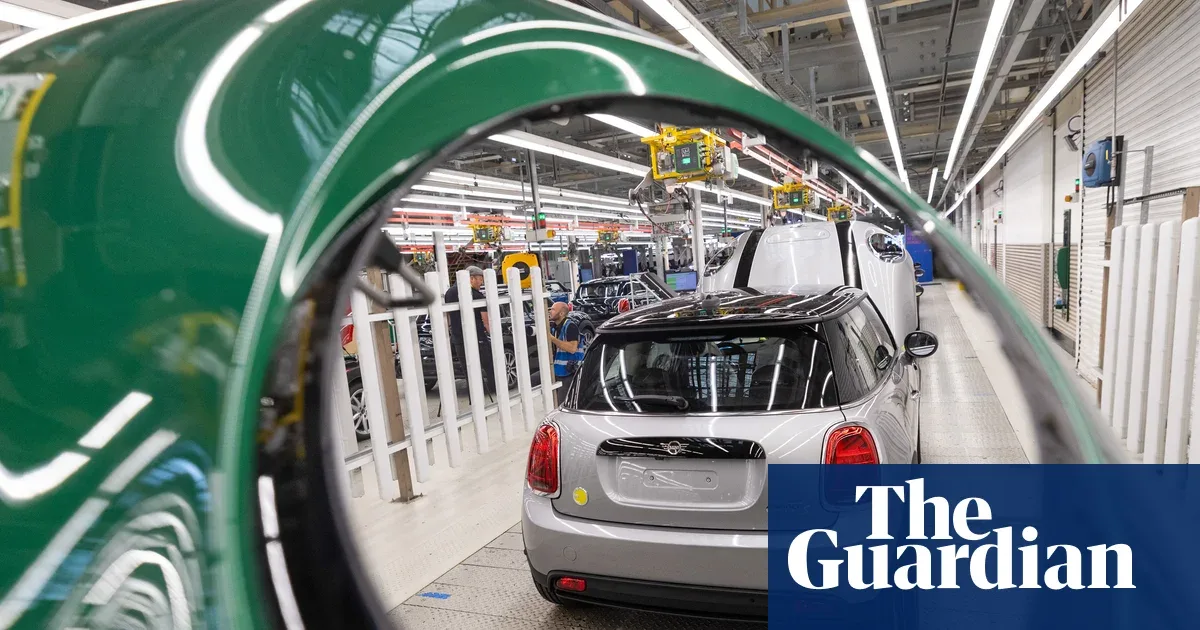
France is leading a push to exclude the UK from the “Made in Europe” policy being drafted by the European Union, a move that could shut British companies out of the race to supply low-carbon technology and electric cars to European countries. The policy is still under negotiation and aims to protect European industry from unfair competition from state-subsidized Chinese products.
UK Prime Minister Andy Burnham raised the issue when he met European Commission President Ursula von der Leyen on the sidelines of the UN General Assembly this week. For Burnham, resolving the matter has become one of the top priorities in UK-EU relations. France, however, has hardened its stance by pressing for a narrow definition of “Made in Europe” covering only the EU's 27 member states.
“European taxpayers' money must support European workers and factories,” French Industry Minister Sébastien Martin told reporters in Brussels on Thursday (24/9). Asked about the UK, he stressed that Britain had chosen to leave the European Union several years ago. “That doesn't mean we don't discuss or trade, but fundamentally some chose the European project and some decided to leave,” he said.
French Europe Minister Benjamin Haddad, speaking in London, also gave no assurances to Burnham's government. “At the end of the day, if you are not part of the internal market and you don't contribute to the financial capacity of the internal market, you don't get the same protection,” Haddad said.
Germany is in the opposing camp. German Economic Affairs Minister Katherina Reiche called for a more inclusive “Made with Europe” policy, including the UK and other trading partners on the basis of reciprocity. “We must reduce unilateral and critical dependencies, but we must not isolate ourselves from the outside world,” Reiche said. This position is backed by the Nordic countries, which traditionally favor open trade. Swedish Deputy Prime Minister Ebba Busch even said, “We always miss the UK,” and stressed the need for a balanced solution because several non-EU European countries remain important to a functioning European market.
The fierce debate within the EU raises questions about the timing of a summit to reset EU-UK relations, which was delayed after Keir Starmer stepped down as prime minister. Since Burnham took office, there has been no fixed date for the talks that were supposed to take place in 2026. UK officials expect the summit to be held in November, although the previously scheduled date of 6 November was cancelled. In December, the EU is expected to engage in difficult internal negotiations over its seven-year budget, which could consume the attention of EU leaders.
One EU diplomat assessed that it would be a “big risk” if the UK government forced a deal at the autumn summit. “It puts the UK in a difficult corner, because the Made in Europe criteria are a very difficult process to agree among 27 member states,” the diplomat said. Ireland, which is leading EU ministerial negotiations, hopes for a December agreement on the IAA, including the Made in Europe provisions, between the EU Council and the European Parliament. Irish Enterprise Minister Peter Burke acknowledged differences of view but was confident there was a path to a deal.
Polish Economic Development Minister Michał Baranowski said it was too early to determine whether countries such as Switzerland, the UK, Japan, Australia and Canada would be in or out. “All these countries are still under discussion,” he said, adding that the UK would get clarity on its status when the EU law is passed. “We are in the final stage, but this final stage can take time,” he said.
A UK government spokesperson said the UK is a close and trusted European partner, committed to shared security and economic cooperation. “We will continue to engage with the EU on Made in Europe and work together as like-minded partners to drive growth and open up trade,” the spokesperson said.
For Indonesia, this policy can serve as a mirror of how large economic blocs build protectionist walls in the green technology sector. If the EU increasingly restricts access for non-member countries, Indonesia—which is developing its battery and electric vehicle industries—needs to anticipate potential export barriers to Europe. In addition, the EU's internal tensions over defining “Made in Europe” show that even fellow developed countries struggle to balance industrial protection with free trade commitments. Indonesia can take advantage of this opening by strengthening trade diplomacy and forging strategic partnerships with countries excluded from the EU's narrow definition, such as the UK, Japan and Canada.
Going forward, the question is whether the EU will be able to reach an internal agreement before external pressure from China and the United States grows stronger. If France succeeds in maintaining the narrow definition, the UK and other partners must seek alternative routes to stay connected to the European market. Conversely, if Germany and the Nordic countries win, this policy could become a model for more inclusive cooperation. Whatever the outcome, Indonesia needs to watch closely because the direction of this policy will affect the global trade map and the energy transition.