BRIN Updates AI for Forest Fire Detection, Prabowo Pushes Village-Based Precision Prevention
Baca dalam 60 detik
- BRIN akan meningkatkan kecerdasan buatan untuk mendeteksi titik panas dan kebakaran hutan lebih dini.
- Pemerintah mengedepankan peran masyarakat desa melalui kelompok Masyarakat Peduli Api sebagai ujung tombak pencegahan.
- Solusi ekonomi jangka pendek hingga panjang disiapkan, termasuk pengembangan sagu, kopi, dan hortikultura bagi warga sekitar kawasan gambut.
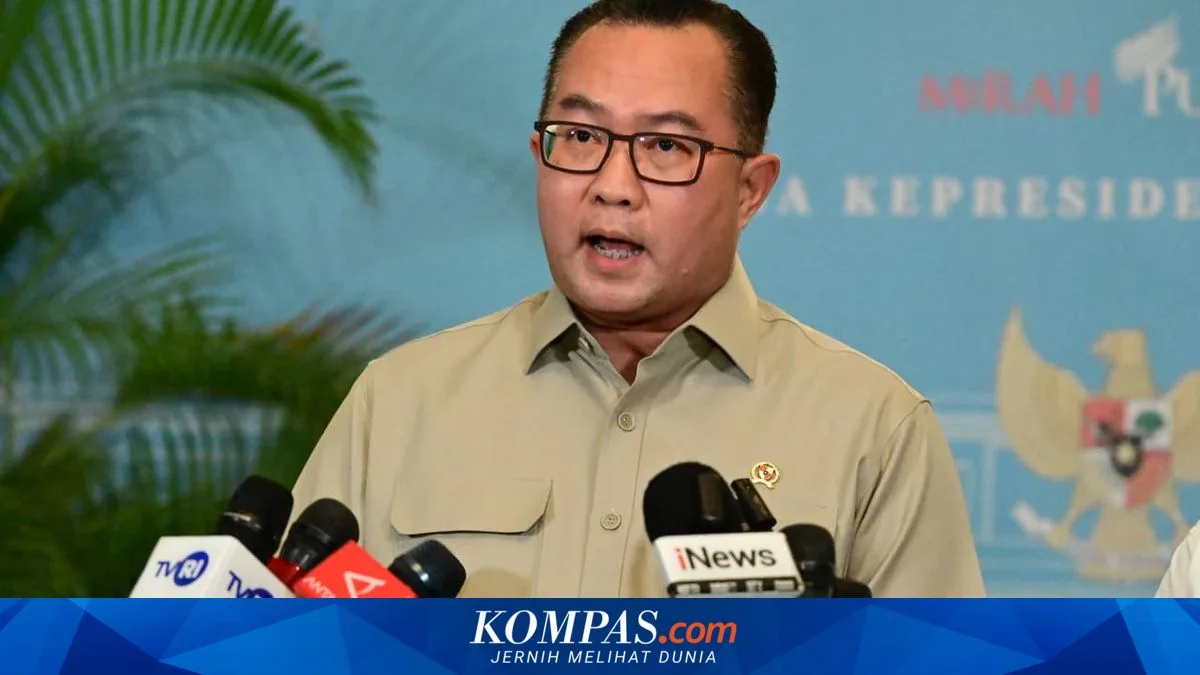
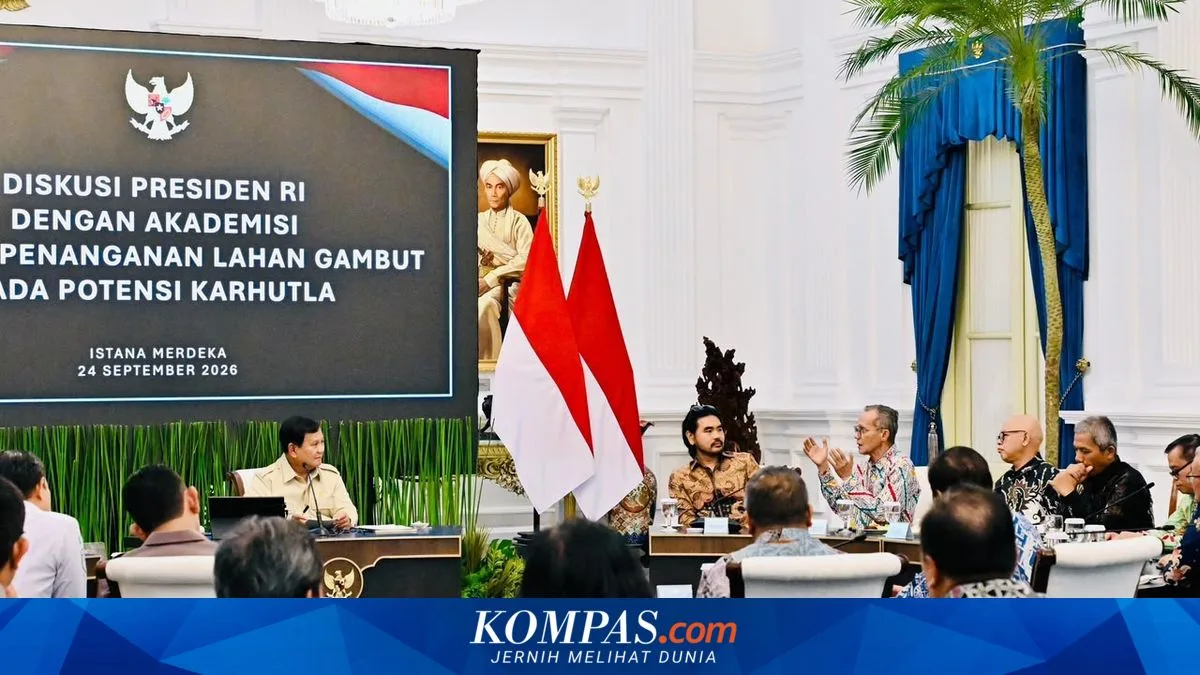
The National Research and Innovation Agency (BRIN) is updating its artificial intelligence (AI) system to speed up the detection of forest and land fires (karhutla). BRIN head Arif Satria said the technology will continue to be refined so it can anticipate hotspots early. He made the statement after a limited meeting at the Merdeka Palace in Jakarta on Thursday (24/9/2026) evening.
The move responds to the establishment of the National Peat and Mangrove Management Agency (BPGMN), which President Prabowo Subianto has just inaugurated. BRIN has been asked to strengthen the early warning system, particularly hotspot monitoring, which has so far run together with the Ministry of Forestry. According to Arif, cross-agency collaboration is key because forest and land fires cannot be handled sectorally.
Beyond strengthening technology, Prabowo stressed a village-based precision prevention approach. Village communities are seen as having close ties to and a sense of ownership over the natural resources around them, making them more effective as the front line. Community Fire Care Groups (MPA) were cited as an example of a mechanism that is already running and will continue to be strengthened.
“The President believes village communities have a very high sense of belonging toward the resources around them,” said Arif Satria, citing Prabowo's directive.
The discussion at the palace also covered technological and economic solutions. Among the innovations under consideration are water injection, village-level water pumps, and alternative materials for firefighting. The approach is expected to speed up response before fires grow larger.
On the economic side, the government highlighted the importance of livelihoods for communities around peat areas. Arif said 41 million people live in peat hydrological areas, so short-, medium-, and long-term sources of income need to be considered. The ideas that emerged include developing sago, coffee, and horticulture. Sago is seen as suitable for the long term because it takes about eight years, coffee for the medium term, and horticulture for the short term.
For readers in Indonesia, especially businesses and investors, this policy opens up both opportunities and challenges. The agribusiness and environmental technology sectors could get a boost, for example through the supply of sensor devices, pumps, or improved seeds. However, success depends heavily on central-regional coordination and budget certainty. Without clear incentives, village-based prevention programs could stall.
On the other hand, companies in the forestry, plantation, and energy sectors need to pay close attention to new regulations related to BPGMN. The agency could tighten oversight of peatland, meaning operational and compliance risks will rise. Investment in environmentally friendly practices and community engagement will be an added value in the eyes of the government and the global market.
Going forward, the effectiveness of AI and the village approach will be tested in the next dry season. The question is whether advanced technology and citizen participation can significantly reduce hotspots, or whether they will be hampered by weak law enforcement and land conflicts. The public will wait for real proof, not just statements from the podium.