Xi Jinping Offers Framework to Avoid War with US, Trump Responds with Praise
Baca dalam 60 detik
- Presiden China Xi Jinping mengusulkan dialog rutin antarmiliter dan mekanisme pencegahan krisis untuk mencegah benturan senjata dengan Amerika Serikat.
- Undangan bagi 100.000 pelajar Amerika untuk berkunjung ke China menjadi sinyal diplomasi lunak di tengah persaingan teknologi dan tarif.
- Perpanjangan gencatan senjata tarif hingga Februari 2026 dinilai analis sebagai upaya Trump menekan China demi kesepakatan lebih baik di KTT G20 Miami.
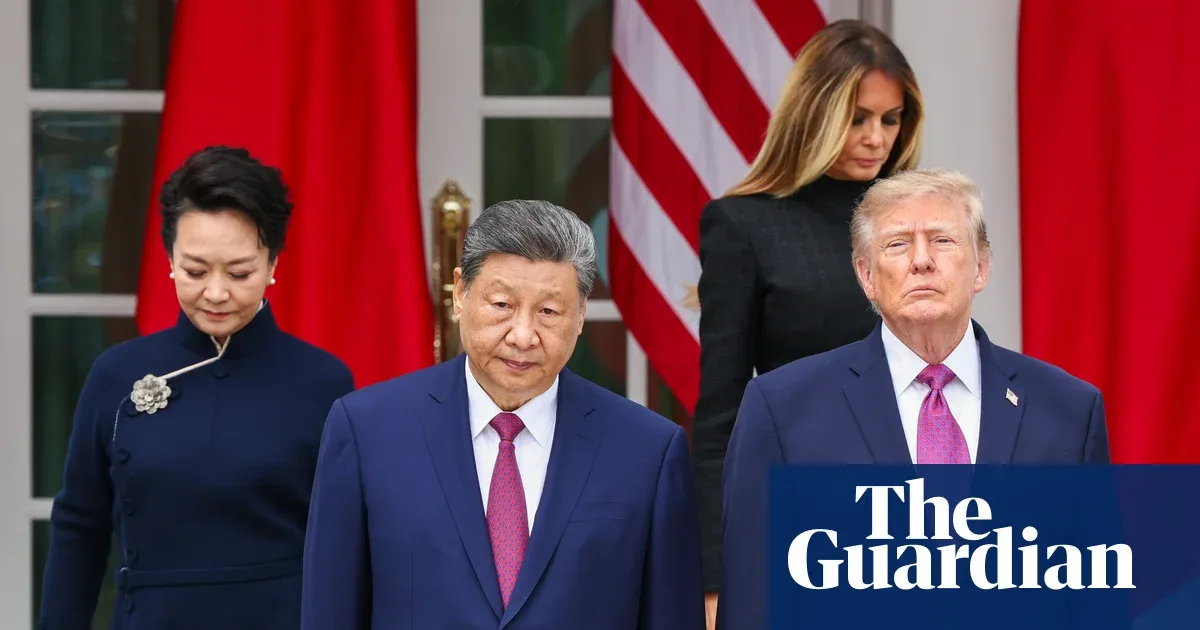
Chinese President Xi Jinping openly called for broad cooperation with Washington to avoid what he called the "Thucydides trap"—a situation in which a rising power challenges the dominance of an established power, potentially leading to military conflict. Xi made the call at the start of a summit with US President Donald Trump at the White House on Thursday (24/9/2026), amid still-smoldering tensions over artificial intelligence, trade, and Taiwan.
In his welcoming speech, Xi offered several preconditions for building mutual understanding. He stressed the importance of intensive communication, honest dialogue, and the ability to find common ground without ignoring differences. "Our two countries can understand each other better, seek common ground while reserving differences, and build mutual trust," Xi said, as quoted from official remarks.
Xi also highlighted the need for peaceful coexistence. According to him, China and the US as two major countries will benefit from cooperation and lose out from confrontation. He specifically proposed that the two militaries maintain regular dialogue and improve communication and crisis-prevention mechanisms. Under such conditions, Xi believes the Thucydides trap can be overcome.
The invitation for 100,000 American students was one of the concrete points of Xi's proposal. The move is seen as a public diplomacy effort to ease tensions at the grassroots level, even as technological rivalry between the two countries intensifies. The United States still imposes strict export controls on microchips, semiconductors, software, and chipmaking equipment to slow China's progress.
Trump, who welcomed Xi and his wife, Peng Liyuan, at the White House, called the visit an important moment for America as it celebrates the 250th anniversary of its independence. He claimed to have built an "outstanding friendship" with Xi and said his team continues to work toward a more balanced trade relationship, including new market access for US farmers and ranchers. The meeting also covered security, technology, and AI—which Trump called "super intelligence".
"I am ready to work with you to steer the giant ship of China-US relations on a stable course toward the future," Xi told Trump.
Although the tone of the two leaders seemed harmonious, a number of analysts voiced skepticism. They assessed that a long-term stable agreement would still be difficult to achieve due to the many intersecting interests. The extension of the tariff truce to February 2026, according to US Treasury Secretary Scott Bessent, shows Trump is not yet satisfied with China's concession offer. The extension is believed to be a strategy to pressure China into offering better terms at the next meeting at the G20 Summit in Miami this December.
For Indonesia, this dynamic has direct implications. As a major trading partner of both countries, Indonesia is in a vulnerable position if the tariff war heats up again. Pressure on semiconductor and AI supply chains could affect the domestic manufacturing sector and technology investment. On the other hand, the extension of the truce gives temporary breathing room for Indonesian exporters who depend on the US and China markets. The government needs to closely monitor the policy direction of both powers, especially if the G20 in Miami produces an agreement that reshapes the global trade map.
Going forward, the question is no longer whether China and the US can avoid the Thucydides trap, but how much compromise each side is willing to make. If the G20 Summit in Miami fails to produce a breakthrough, pressure on developing countries like Indonesia will grow heavier. Conversely, if military dialogue and student exchanges proceed, there is a chance for more assured regional stability—though without any guarantee of permanent peace.