Ombudsman's Surprise Inspection at Cibinong Prison Blocked, House Commission II: That's Against the Law
Baca dalam 60 detik
- Wakil Ketua Komisi II DPR Dede Yusuf menegaskan bahwa Ombudsman RI memiliki dasar hukum untuk mengawasi pelayanan publik, termasuk masuk ke lembaga pemasyarakatan.
- Temuan fasilitas mewah di Lapas Cibinong memicu spekulasi publik, namun pihak Kementerian Imipas membantah dan menyebut bangunan itu sebagai rumah dinas resmi.
- Komisi II mendesak klarifikasi segera dari Imipas dan pelaporan resmi ke Presiden untuk mencegah spekulasi liar yang berkembang di media sosial.

Deputy Chair of House Commission II Dede Yusuf has criticized the actions of officers at Cibinong Class IIA Prison in Bogor, who tried to block a surprise inspection (sidak) by a team from the Indonesian Ombudsman. According to him, the oversight step taken by the state institution was in line with the mandate of the law and should not have been obstructed.
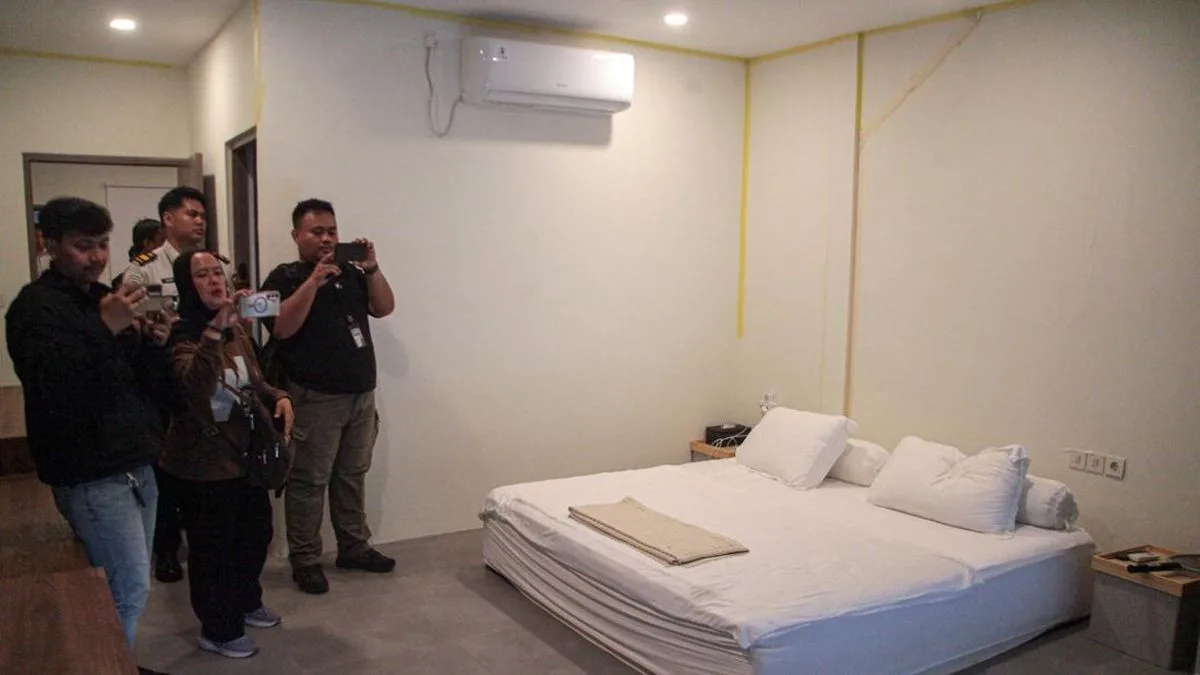
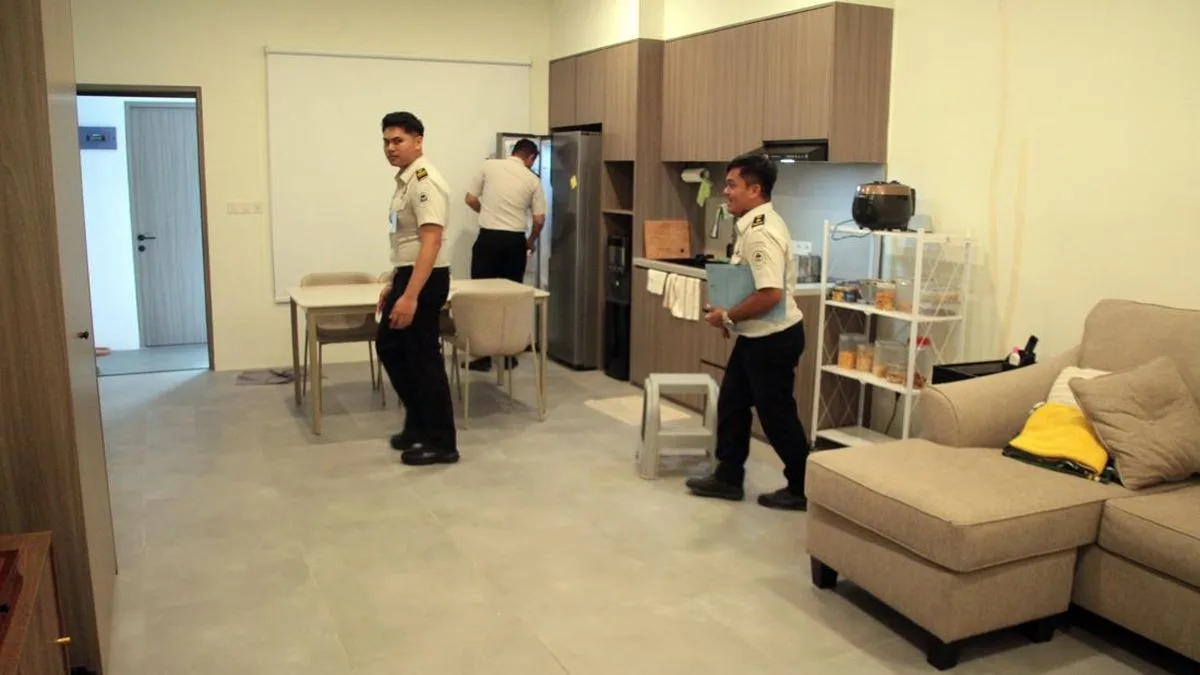
The incident began when the Ombudsman team sought to inspect several facilities inside the prison. Although they were initially hindered, the team eventually found a number of buildings with luxurious facilities that were strongly suspected to be linked to inmates of the correctional institution. The findings immediately drew public attention and raised questions about prison governance.
Dede stressed that the Ombudsman has the constitutional authority to carry out a control function over public services. "The Ombudsman is actually in accordance with its law, essentially carrying out a controlling function over public services," said the Democratic Party politician at the parliamentary complex in Jakarta on Thursday (24/9). He added that the Ombudsman is even allowed to enter regional governments, so there is no reason to obstruct their duties at the prison.
"So there should be no need to obstruct them, because the Ombudsman entering a regional government is also perfectly fine."
According to Dede, the obstruction by Cibinong Prison officers instead raises suspicion. He urged the Ministry of Immigration and Corrections (Imipas) to immediately submit an official report to the Ombudsman to prevent wild speculation in the community. "If there really are buildings and they are used for important purposes in the context of, say, official matters, just open them up," he said.
Nevertheless, Dede reminded that the Ombudsman's findings so far remain assumptions because the inspection did not find any inmates inside the luxurious buildings. Therefore, he asked the Ministry of Imipas and the prison to immediately provide clarification, while also urging the Ombudsman to report its findings to the President. "So, in my view, Imipas must immediately clarify, hold meetings between government institutions. Because in this era of social media, anyone can find out, not just the Ombudsman. Anyone can just record a video, and that's it," he said.
The Head of the West Java Regional Office of the Directorate General of Corrections, Yudi Suseno, denied that the buildings were intended for inmates. He stated that the location inspected by the Ombudsman was an assimilation area formerly known as the Assimilation and Education Facility (SAE). "There are several official residences there. So the houses visited by the Ombudsman Team are official residences that have a Decree for Official Residences," Yudi said on Thursday (24/9).
The differing narratives between the Ombudsman and the prison raise a larger question about transparency in the management of correctional institutions. If the buildings really are official residences, there should be no facilities resembling luxurious dwellings like apartments, especially if they are used for personal interests. Conversely, if the Ombudsman's findings are proven, the practice could potentially violate regulations and open a gap for corruption within the correctional system.
This case also highlights weak internal oversight in prisons. So far, surprise inspections by external institutions such as the Ombudsman have often been the only way to uncover irregularities. The obstruction of the Ombudsman team, as happened in Cibinong, only strengthens suspicions of an attempt to cover up improper practices. Dede Yusuf believes that in an era of information openness, such efforts will be futile because anyone can record and spread findings on social media.
House Commission II, as the Ombudsman's working partner, is committed to overseeing this case. Dede stressed the importance of coordination among government institutions to resolve the issue without causing a commotion. He also reminded that the Ombudsman is required to report the results of its inspection to the President as a form of accountability. This step is expected to provide clarity for the public and restore trust in the correctional system.
Going forward, the public will await concrete steps from the Ministry of Imipas. Will they open access as widely as possible for oversight, or will they insist on the official residence argument? Meanwhile, the Ombudsman is being urged to complete its investigation and publish the results transparently. Without a thorough resolution, this polemic could erode the authority of correctional institutions and add to the long list of governance problems in the legal sector.