National Language Museum on Penyengat Island: Malay Traces and a Symbol of National Unity
Baca dalam 60 detik
- Mendagri Tito Karnavian meresmikan groundbreaking Museum dan Monumen Bahasa Nasional di Pulau Penyengat, Tanjungpinang, sebagai penanda sejarah bahasa Indonesia.
- Inisiatif ini menegaskan akar bahasa Melayu sebagai fondasi bahasa nasional dan berpotensi memperkuat diplomasi budaya Indonesia di kawasan.
- Pemerintah daerah dan pusat dituntut memastikan keberlanjutan proyek agar tidak sekadar menjadi monumen fisik tanpa dampak edukatif dan ekonomi.
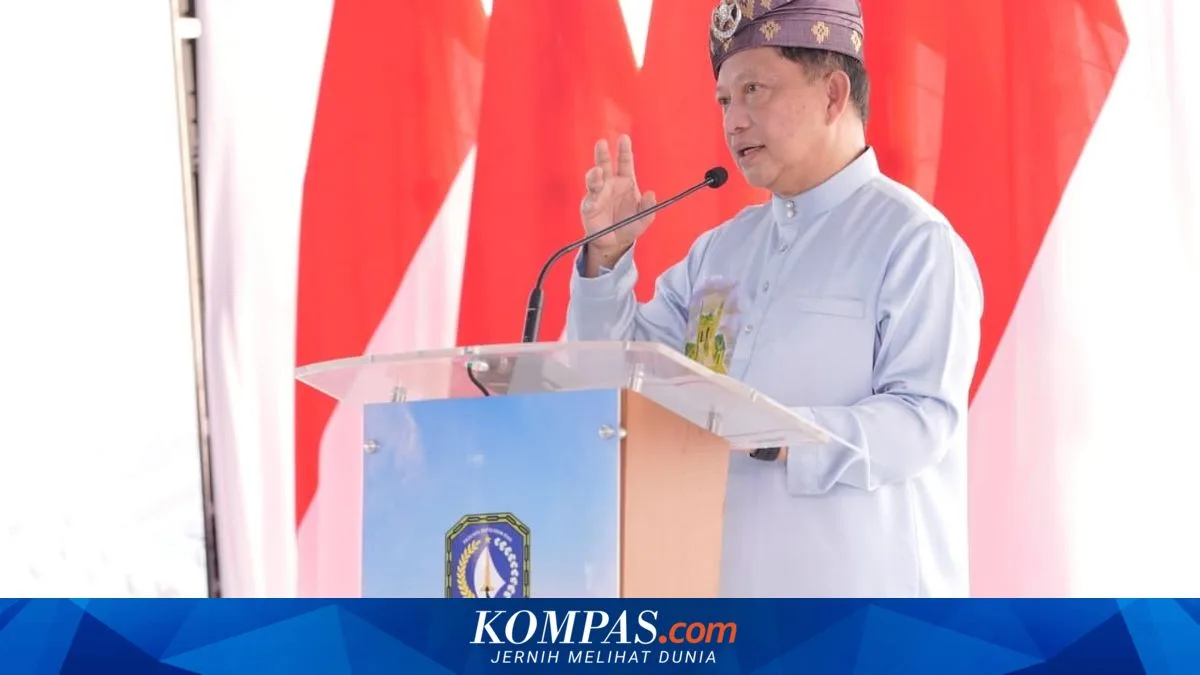
Minister of Home Affairs Muhammad Tito Karnavian stressed that the construction of the National Language Museum and Monument on Penyengat Island, Tanjungpinang, Riau Islands, is not merely a physical project. According to him, the facility is an important marker for tracing the roots of the Indonesian language and introducing it to younger generations. The groundbreaking was held on Thursday (24/9/2026), marking the start of construction that is expected to become a center for education on the history of the language.
In his remarks, Tito highlighted the historical role of Malay, which had long served as a lingua franca among regions across the archipelago. He considered Malay's position crucial in shaping national identity. "Malay has become Indonesian and is part of the mandatory curriculum. From Sabang to Merauke, not only in Malay, Sumatran, or Kalimantan communities, but also in Bali and Papua," he said in a press release on Thursday.
Penyengat Island was chosen for its connection to Raja Ali Haji, a figure credited with developing Malay into a standardized language. Tito hopes the museum will become a place to systematically gather all those traces. "This is where we can find the true traces, that Indonesian originates from Malay, and all of it is collected in this museum," he said.
More than just a tourist destination, the museum is projected to become an educational space that strengthens historical literacy. Tito reminded that the diversity of regional languages in Indonesia makes the national language a social adhesive. "This is our unifier. This museum and monument will be our unifier," he said.
For readers in Indonesia, the project offers economic and cultural opportunities. Penyengat Island, already known as a historical area, can attract more domestic and international tourists, driving the MSME, hospitality, and local transportation sectors. However, the main challenge lies in post-construction management. Local governments need to prepare operational budgets, curriculum programs, and sustained promotion so the museum does not become an abandoned project.
In the context of policy, the museum can strengthen Indonesia's cultural diplomacy in Southeast Asia, given that Malay is also used in Malaysia, Brunei, and Singapore. The government can make it a hub for regional linguistic cooperation. However, without support for research and digitization of collections, that potential will be difficult to realize.
Going forward, the public will be waiting to see how the museum integrates technology to reach younger generations, and whether the government can maintain its commitment so that the language heritage keeps living, rather than becoming a silent monument.