Today's NYT Strands Puzzle: Theme 'Just Outside Your Door' and the Full Answers
Baca dalam 60 detik
- Puzzle Strands edisi 24 September 2026 mengusung tema 'Just Outside Your Door' dengan kata kunci seputar area luar rumah.
- Spangram hari ini adalah BACKYARD, menghubungkan sisi kiri dan kanan papan permainan.
- Enam jawaban non-spangram yang harus ditemukan: POOL, FORT, SWINGS, SANDBOX, TREEHOUSE, dan TRAMPOLINE.
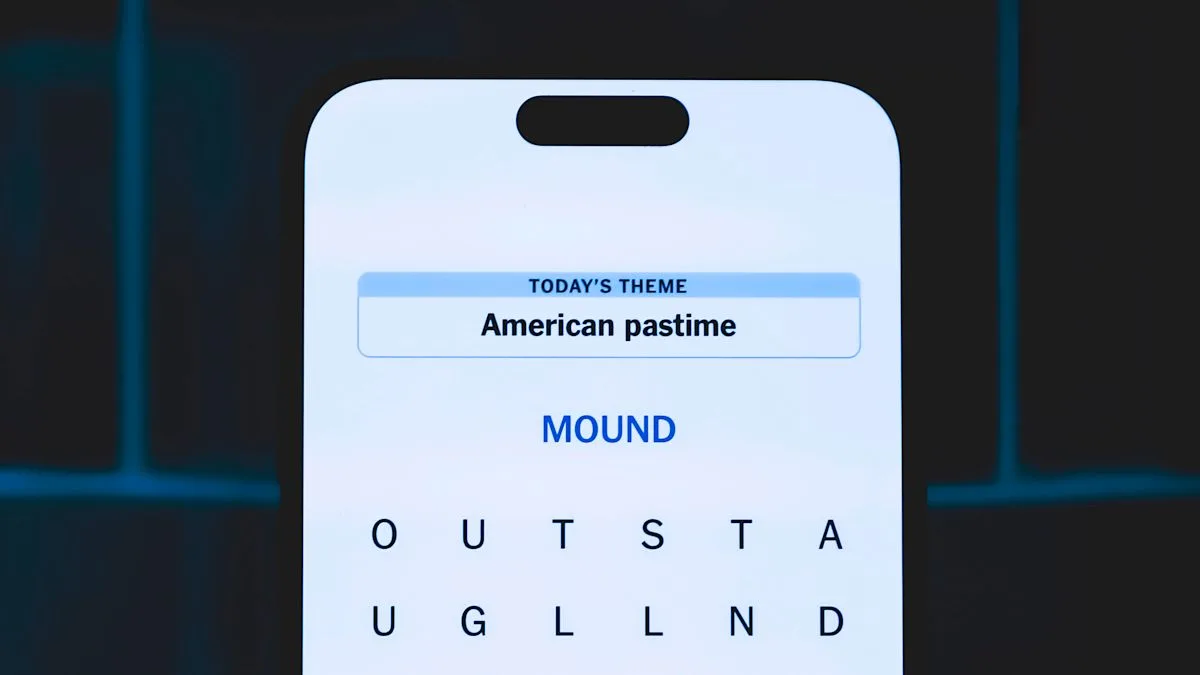
Word puzzle fans are once again treated to a daily challenge from The New York Times (NYT) through the September 24, 2026 edition of Strands. The theme this time is "Just Outside Your Door", pointing to elements commonly found in a yard or the outdoor area of a home. For some players, this theme is fairly friendly because it uses everyday vocabulary, though it still holds traps in the process of arranging letters into the right words.
Strands itself is a variation of a word search game that does not provide a list of words to find. Players must discover for themselves the words relevant to the theme. If they get stuck, there is a help mechanism: every three words of at least four letters that are successfully found will unlock one theme word. Even so, the unlocked word still has to be worked out, and this is often the sticking point.
In this edition, the spangram, or keyword stretching from one side of the board to the other, is BACKYARD. This word is the key to unlocking all the clues. Meanwhile, the six non-spangram answers to be found are POOL, FORT, SWINGS, SANDBOX, TREEHOUSE, and TRAMPOLINE. All of these words describe facilities or structures commonly found in a backyard, in line with the theme.
For readers in Indonesia, the phenomenon of NYT puzzles like Strands shows how word-game-based content still has a loyal global market. Amid the flood of digital entertainment, a simple brain-sharpening game can actually retain devoted fans. This is also reflected in the proliferation of similar apps in Indonesia, such as TTS (crossword puzzles) and Indonesian-language word games that are widely downloaded. The potential for monetization through ads and subscriptions is an attraction in itself for local developers.
According to observers of the digital creative industry, Strands' appeal lies in the balance between challenge and accessibility. "This game gives a sense of achievement without making players overly frustrated, because there is a gradual help system," said an analyst who declined to be named. He added that a game model like this is effective at sustaining daily user engagement, which ultimately increases revenue from ads or subscription features.
"Strands lets you make as many words of four or more letters as you want. For every three of those words you find, the puzzle will highlight one of the answers."
Though it seems simple, Strands also has varying levels of difficulty. Some previous themes were known to be more challenging, such as the category "Dated slang" with the hardest word PHAT, "Thar she blows!" with BALEEN or RIGHT, and "Off the hook" with BIGEYE or SKIPJACK. This variation keeps the game from becoming monotonous and keeps it appealing to a wide range of players.
Going forward, it is not impossible that NYT will expand its word game ecosystem, including the potential for localization for non-English markets. If that happens, Indonesia, with its large population and high interest in puzzles, could be a promising market target. The question is, can local developers create a word game on the level of Strands that goes global?