Netanyahu to Speak at UN Amid Political Isolation and Wave of Protests
Baca dalam 60 detik
- Perdana Menteri Israel Benjamin Netanyahu akan berpidato di Majelis Umum PBB pada Kamis, menghadapi tekanan internasional yang meningkat dan protes besar di New York.
- Amerika Serikat mengalami pergeseran opini publik terhadap Israel, dengan 62% responden Pew memandang negatif pemerintahan Netanyahu dan 60% Yahudi Amerika berharap ia kalah dalam pemilu Oktober.
- Israel menghadapi tantangan diplomatik dari sekutu tradisional seperti Inggris, Prancis, dan Kanada yang berencana memberikan sanksi terhadap pemukiman di Tepi Barat, sementara Netanyahu tidak dijadwalkan bertemu pejabat tinggi AS.
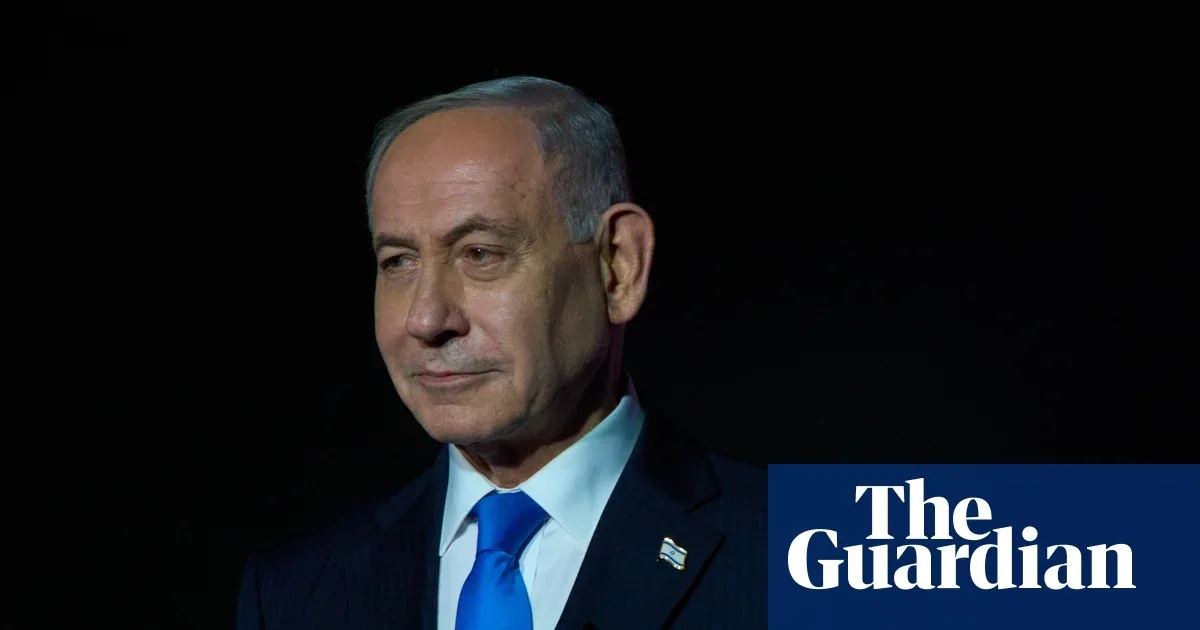
Israeli Prime Minister Benjamin Netanyahu will deliver a speech at the UN General Assembly on Thursday (24/9/2026) local time, facing deepening political isolation over the protracted conflict in Gaza, Lebanon, and Iran, as well as international condemnation of settlement expansion in the West Bank. The speech is a major test for Netanyahu on the global stage, just weeks before an Israeli election predicted to be the toughest of his long political career.
Netanyahu is scheduled to highlight Israel's achievements and call for steps to achieve the war's objectives, according to Israel's Ambassador to the UN, Danny Danon. However, he faces a wave of protests in New York City, including a demonstration from Bryant Park to UN headquarters, as well as a walkout planned by Palestinian representatives and several diplomatic missions. New York Mayor Zohran Mamdani, who previously promised to arrest Netanyahu as a war criminal, now says he will protect the right to demonstrate.
International pressure on Israel is increasingly evident. Britain, France, and Canada plan to impose sanctions on Israeli settlements in the West Bank, while British Foreign Secretary Ed Miliband accused Israeli settlers of ethnic cleansing against Palestinian communities. In the United States, public opinion has shifted historically: a Pew survey in July showed 62% of respondents held a negative view of Netanyahu's government, and 60% of American Jews in a poll this week hoped he would be replaced in the October election.
Netanyahu is also not scheduled to meet with US President Donald Trump or other senior officials during a visit expected to last less than 24 hours. Trump will be in Washington DC to host Chinese leader Xi Jinping. A Trump administration official said the Israeli delegation had sought a high-level meeting, but none was scheduled. Netanyahu cited the need to return to Israel promptly because of the election campaign and the Sukkot holiday.
"We realize that we have faced a very challenging three years since October 7," Danon said. "We have achieved a lot, but we are criticized. We are under the spotlight, and for us, we are proud of our achievements."
Danon assessed that Israel's main problem is public relations, not policy, and called a "wave of misinformation" the cause of the polling shift. He stressed that Israel will not be swayed by criticism over settlement expansion, including the E1 plan that would separate East Jerusalem from the West Bank. Democratic Senator Chris Coons, one of the sponsors of a bill to sanction new settlement facilitators, said the United States must send a strong message that the actions of extremist settlers are unacceptable.
Within the US, criticism does not come only from Democrats. Vice President JD Vance and several Republican figures have also voiced disapproval, signaling a split in the MAGA base. Beth Miller of Jewish Voice for Peace Action noted that more people do not want their tax dollars used to support the Israeli government. She added that Netanyahu is speaking to demonstrate his control to Israeli voters and to stir anti-Muslim sentiment among the American right.
For Indonesia, this escalation of conflict and diplomatic tension could affect the stability of global energy prices, given that the conflict in Iran has also helped push oil prices higher. Indonesia's consistent position in support of a two-state solution and Palestinian independence will become increasingly relevant in multilateral diplomacy. In addition, international pressure on Israel could influence the dynamics of economic and security cooperation in the region, including Indonesia's relations with Gulf countries and the US.
Going forward, Netanyahu's UN speech will be an indicator of whether Israel can withstand global pressure or will become increasingly isolated. With Israel's election only weeks away and the US midterms approaching, the direction of US policy toward Israel could change significantly. Will the United States remain Israel's main ally, or will a new, more critical axis emerge? The world awaits the next move.