Nadiem Makarim Still Found Guilty on Appeal, Prepares Cassation to Supreme Court
Baca dalam 60 detik
- Pengadilan Tinggi Jakarta memangkas hukuman Nadiem Anwar Makarim menjadi 9 tahun penjara plus denda Rp 1 miliar dalam perkara pengadaan Chromebook.
- Eks Mendikbudristek itu menegaskan tak ada kerugian negara, aliran dana, maupun konflik kepentingan yang terbukti selama persidangan.
- Langkah kasasi ke Mahkamah Agung akan segera diajukan, membuka babak akhir yang menentukan arah pemberantasan korupsi sektor pengadaan publik.
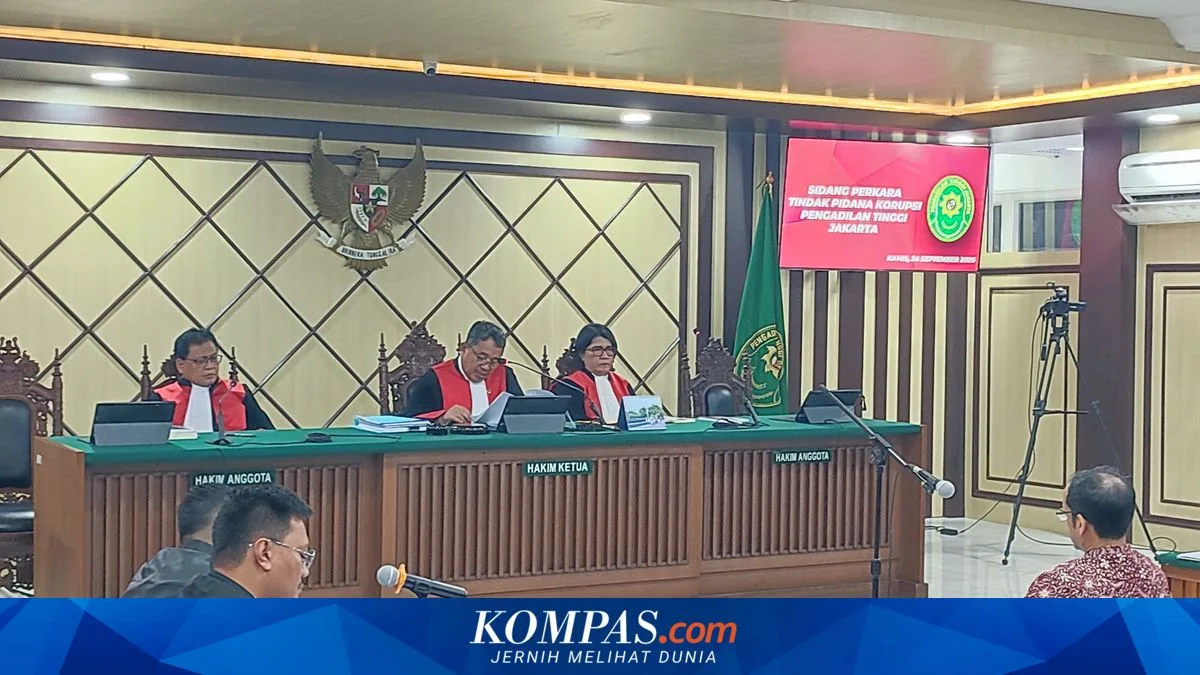
Former Minister of Education, Culture, Research, and Technology Nadiem Anwar Makarim has confirmed he will pursue a cassation appeal to the Supreme Court after the Jakarta High Court refused to acquit him in the alleged corruption case involving the procurement of Chromebook devices. The appeal ruling read on Thursday (24/9/2026) cut the prison term from the first instance, but still found the Gojek founder guilty.
The panel of judges chaired by Subachran Hardi Mulyono handed down a nine-year prison sentence and a fine of Rp 1 billion. The fine must be paid within one month, with a possible extension of up to one month from the date the ruling becomes legally binding. The figure is lighter than the first-instance verdict, but does not change Nadiem's legal status as a convicted person.
In a statement after the hearing, Nadiem said he was disappointed because the panel was deemed to have ignored the facts of the trial. He insisted the legal process had proven there was no state financial loss, no flow of funds, and no conflict of interest in the procurement project that ensnared him. "I very much hope and pray every day that the Supreme Court institution will have the courage to acquit an innocent person," he said at the Jakarta High Court.
Nadiem also highlighted his health condition, which is still under treatment, as well as the psychological pressure during the legal process. He described his legal battle as long and full of obstacles, but stressed he would file the cassation as soon as possible. The statement shows that the defense strategy no longer rests on the appeals court, but on the final round at the Supreme Court.
"That's right, we will immediately file the cassation as soon as possible. This struggle has indeed been long, and I have had to go through various obstacles, both medical and such a heavy mental burden."
From a legal standpoint, cassation is not an easy matter. The Supreme Court generally assesses the application of law, rather than repeating a comprehensive examination of the facts. Therefore, Nadiem's legal team needs to convince the cassation panel that there was an error in the application of norms or a contradiction in the considerations of the appeal ruling. If the cassation is rejected, the nine-year ruling will become legally binding and pave the way for execution.
This case is not merely the legal trouble of a former minister. It directly touches on the governance of goods and services procurement in the education sector, especially the school digitalization program that absorbs a large budget. For businesses, this ruling is a signal that public procurement remains a vulnerable area closely watched by law enforcement. For investors, legal uncertainty in government projects could affect the climate of confidence in state spending, particularly in the education technology sector.
On the other hand, the public awaits the consistency of authorities in handling major corruption cases. When the defendant claims there was no state loss, the question shifts to how far the legal construction of corruption can reach abuse of authority without direct financial loss. The upcoming cassation ruling will be an important reference for similar cases in the future, including for regional officials managing procurement budgets.
Also worth noting is the long-term impact on the face of national education. The digitalization program that was once touted as accelerating equal access to learning is now in the spotlight because of its legal problems. Going forward, the public has the right to demand greater transparency in every procurement of educational devices, so that the goal of educating the nation is not eroded by legal disputes and allegations of irregularities.
With the cassation to be filed soon, the final chapter of this case will determine not only Nadiem's fate, but also the precedent for law enforcement in the procurement sector. Will the Supreme Court overturn the ruling, or instead reinforce the existing verdict? The answer to that question will be a mirror of the state's commitment to fighting corruption without discrimination.