House Warns BPGMN Could Meet the Same Fate as BRGM If Three Conditions Are Not Met
Baca dalam 60 detik
- Anggota Komisi IV DPR RI Riyono menegaskan keberhasilan Badan Pengelola Gambut dan Mangrove Nasional (BPGMN) bergantung pada posisi kelembagaan, kecukupan anggaran, dan kepemimpinan kolegial.
- Ia membandingkan dengan Badan Restorasi Gambut dan Mangrove (BRGM) yang dibubarkan karena dianggap gagal mencapai target tutupan lahan dan pencegahan kebakaran akibat keterbatasan anggaran dan SDM.
- DPR mendorong rasionalisasi anggaran non-prioritas untuk membiayai pencegahan karhutla, sementara pemerintah menyatakan BPGMN akan berbeda dari BRGM karena fokus pada pencegahan.
Member of Commission IV of the Indonesian House of Representatives (DPR RI) Riyono assessed that the success of the National Peat and Mangrove Management Agency (BPGMN) established by President Prabowo Subianto will depend heavily on three determining factors: institutional position, budget adequacy, and the right leadership. Riyono made the statement to Kompas.com on Friday (25/9/2026), responding to the formation of the new agency that replaces the dissolved Peat and Mangrove Restoration Agency (BRGM).
According to Riyono, the first crucial factor is institutional position. He stressed that BPGMN must be directly under the President, not under the Ministry of Forestry. He cited the National Food Agency (Bapanas) and Bulog, which hold positions at the level directly under the President. "If it only becomes a subordinate of the Ministry of Forestry, BPGMN will merely repeat BRGM's failure," Riyono said. He recalled that BRGM previously failed to meet land cover targets and fire prevention goals due to its weak institutional position, minimal budget, and limited human resource capacity.
The second factor Riyono emphasized is budget capacity. He stressed the importance of adequate funding allocation, with a focus on prevention efforts and preserving mangrove ecology as a world biodiversity asset. "The budget must be focused on prevention, not merely reactive measures," he asserted. Riyono also pushed for the rationalization of non-priority budgets to support BPGMN's financing.
The third factor is leadership. Riyono proposed that BPGMN be led collegially by a number of experts. According to him, political support for the budget will be the main differentiator between BPGMN and BRGM. "Political support for the budget will make this agency 'different' from the old BRGM," he said.
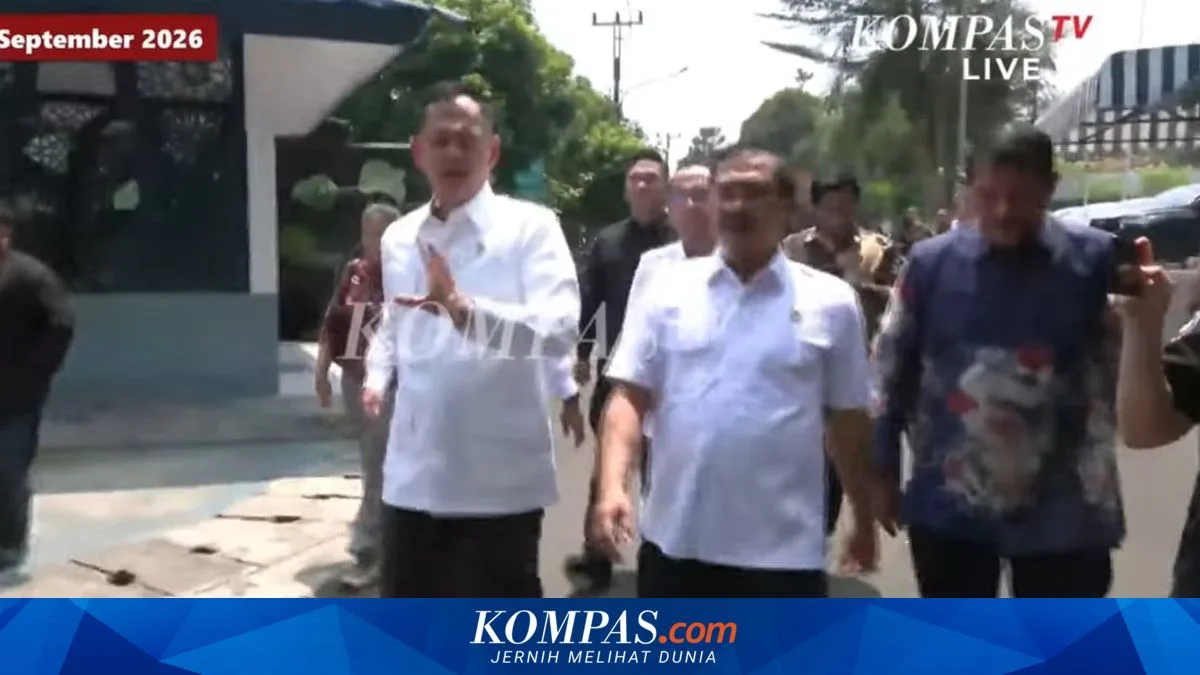
Previously, Minister of Forestry Raja Juli Antoni revealed that President Prabowo had decided to establish BPGMN. Its main goal is the prevention of forest and land fires (karhutla). Raja stressed that prevention is far more efficient than reactive measures. "This agency will be different from the previous BRGM, which was under the Ministry of Forestry before it was dissolved," he said at a press conference at the Palace in Jakarta on Thursday.
"Prevention is far more efficient than taking reactive measures. This agency will be different from the previous BRGM, which was under the Ministry of Forestry before it was dissolved." — Minister of Forestry Raja Juli Antoni
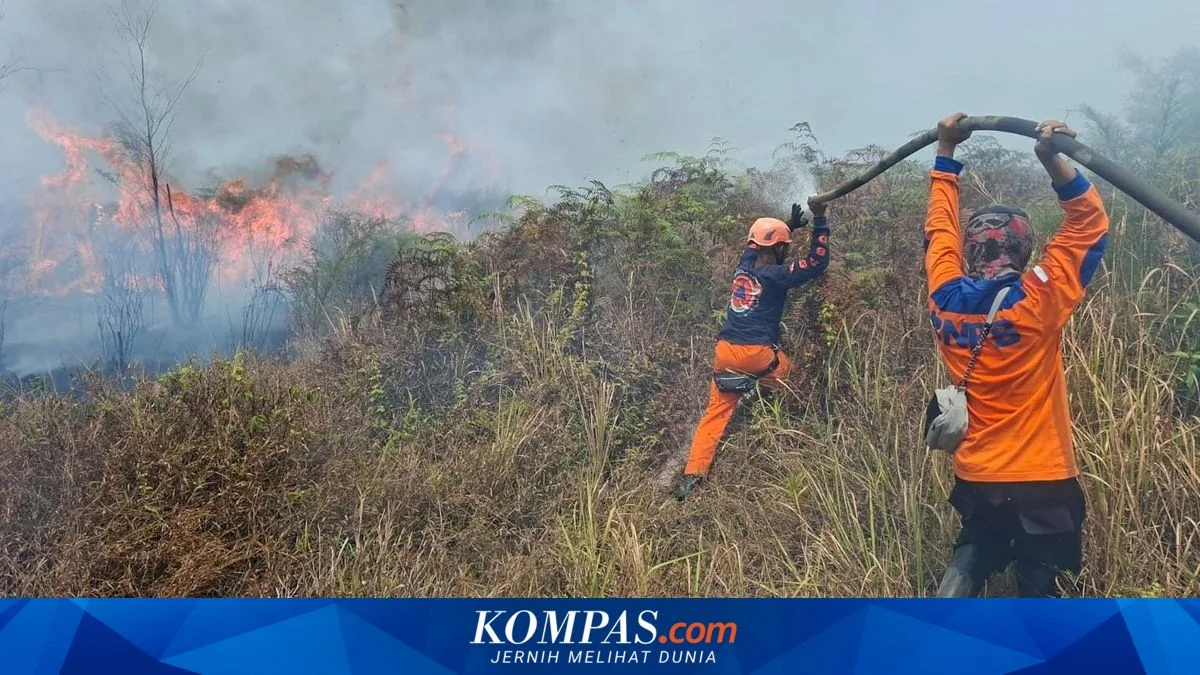
For Indonesian readers, especially investors and professionals in the forestry, environment, and carbon market sectors, the establishment of BPGMN carries significant implications. A stronger institutional position and adequate budget could accelerate peat and mangrove restoration, which are key carbon-absorbing ecosystems. BPGMN's success will also affect the green investment climate and Indonesia's commitment to reducing emissions. Conversely, failure will worsen the risk of land fires that impact health, the economy, and regional diplomatic relations due to haze.
Going forward, the public will scrutinize whether BPGMN truly receives the promised political and budget support, and whether its leadership is filled by competent experts. Without fundamental improvements in the three factors identified by the House, concerns that BPGMN will merely become a replica of BRGM continue to loom.