Commission III Pushes Police and Audit Board to Probe Luxury Facilities at Cibinong Prison
Baca dalam 60 detik
- Komisi III DPR meminta Polri menyelidiki dugaan pidana dan administrasi terkait fasilitas mewah bagi napi di Lapas Cibinong.
- Anggota Komisi III, Abdullah, juga mendesak BPK mengaudit pengelolaan anggaran dan aset lapas untuk mendeteksi potensi kerugian negara.
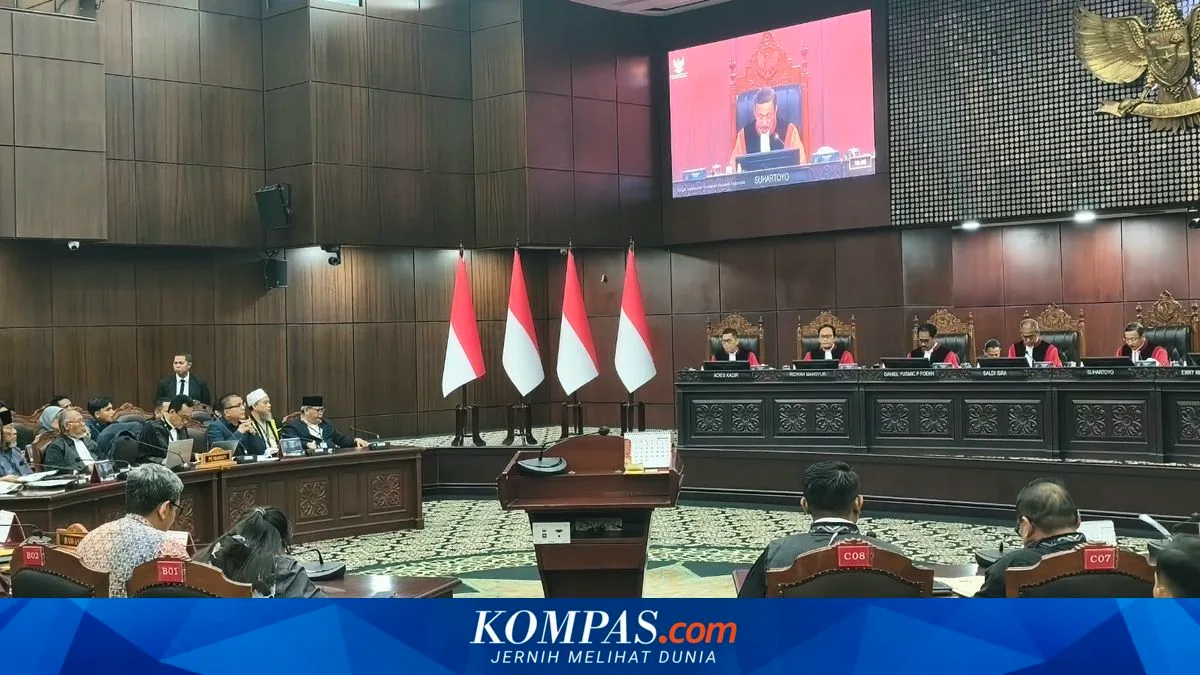
- Temuan Ombudsman RI yang sempat dihalang-halangi saat sidak memicu pemanggilan sejumlah pihak oleh Komisi XIII DPR pada Senin (28/9).
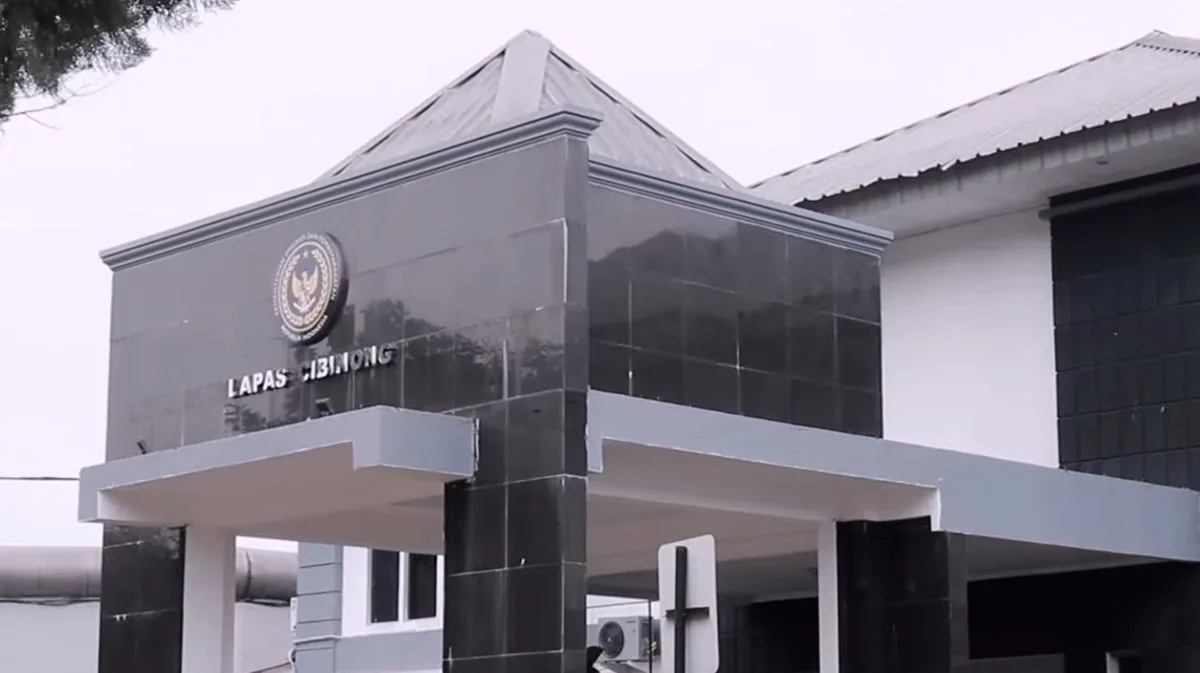
Member of Commission III of the Indonesian House of Representatives (DPR RI), Abdullah, urged the National Police (Polri) to thoroughly investigate alleged criminal and administrative violations related to the provision of luxury facilities for inmates at the Class IIA Cibinong Correctional Facility (Lapas) in Bogor Regency, West Java. The push came after the Indonesian Ombudsman (Ombudsman RI) revealed findings of several luxury-type rooms and a parking area for luxury cars at the prison during an unannounced inspection (sidak) some time ago.
In a written statement on Friday (25/9), the PKB politician, familiarly known as Abduh, stressed that handling this case cannot stop at internal sanctions. He argued that a legal process is needed to thoroughly investigate the alleged irregularities, including potential state losses and the obstruction experienced by the Ombudsman team during their examination. "Polri must thoroughly investigate this case by conducting inquiries and deepening the probe into the various alleged violations found by the Ombudsman," said Abduh.
Abduh explained that administrative sanctions can be imposed on prison staff proven to have violated disciplinary rules. However, if the investigation finds criminal elements, the legal process must proceed, including probing alleged budget and asset irregularities that could harm state finances. He also asked the Supreme Audit Agency (BPK) to audit the management and use of budgets and assets at Cibinong Prison. "If we want to realize transparent, accountable, and anti-corruption prison governance, the BPK audit is one of the entry points," said Abduh.
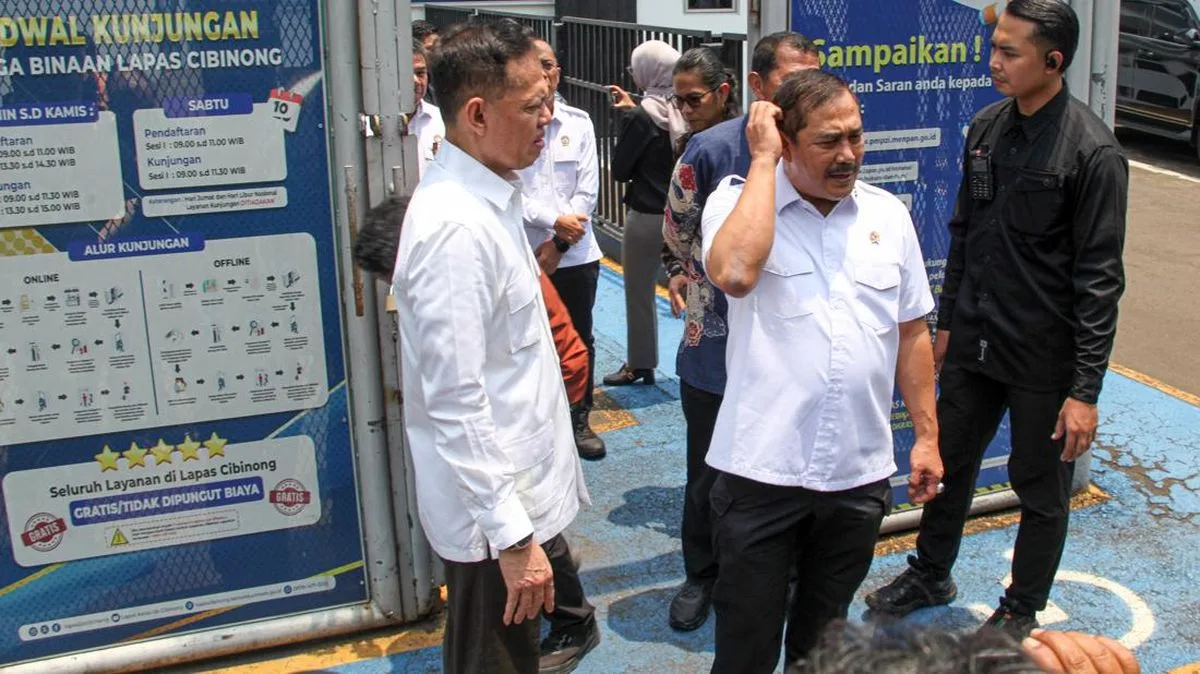
Meanwhile, Minister of Immigration and Corrections (Imipas) Agus Andrianto said his office will look deeper into the Ombudsman's findings. During his review at Cibinong Prison on Friday (25/9), he confirmed he would investigate whether the assets referred to as staff official residences are truly used as intended or misused for other purposes. "We will look into whether these staff houses are really used as staff housing or utilized for other interests," Agus told reporters.
Agus added that these findings are a momentum to bring order to other prisons deemed in need of reform. He also reminded his ranks not to misuse facilities, stressing that staff needs such as food supplies, canteens, and telephone kiosks (wartel) have been facilitated. "This is a very good opportunity for us to bring order to prisons that may indeed need to be put in order," said the former Deputy Chief of Polri.
This case highlights the governance problems of correctional institutions that have often escaped public oversight. The Ombudsman's findings not only reveal privileged practices for certain inmates but also raise bigger questions about the accountability of state asset management and potential illegal levies that cause harm. The push for the BPK to step in shows that this issue is not merely a disciplinary violation but potentially touches on corruption and abuse of authority.
For the public, the moves by Commission III and Commission XIII of the DPR are a test of whether legislative oversight truly works or is merely reactive. Transparency in the investigation process, including openness of the Ombudsman's examination results and the BPK audit, will determine whether this case leads to systemic improvement or sinks again like a number of previous prison scandals.
Going forward, the question is not only who is responsible for the luxury facilities in Cibinong, but how far the state can reform a correctional system that has long been prone to irregularities. Without fundamental reform, similar findings could emerge in other prisons with more polished methods.