The Three Closing Words of The Lord of the Rings That Changed How Fantasy Ends a War
Baca dalam 60 detik
- J.R.R. Tolkien menutup trilogi epiknya bukan dengan kemenangan militer, melainkan dengan kalimat sederhana Samwise Gamgee: 'Well, I'm back.'
- Pendekatan ini menyimpang dari tradisi fantasy yang biasanya menutup cerita dengan pertempuran kosmik atau wahyu ilahi, dan justru menekankan kehidupan sehari-hari pascaperang.
- Warisan Tolkien terletak pada pengakuan bahwa memenangkan perang hanyalah separuh pertempuran; bagian tersulit adalah kembali dan hidup di dunia yang telah berubah.
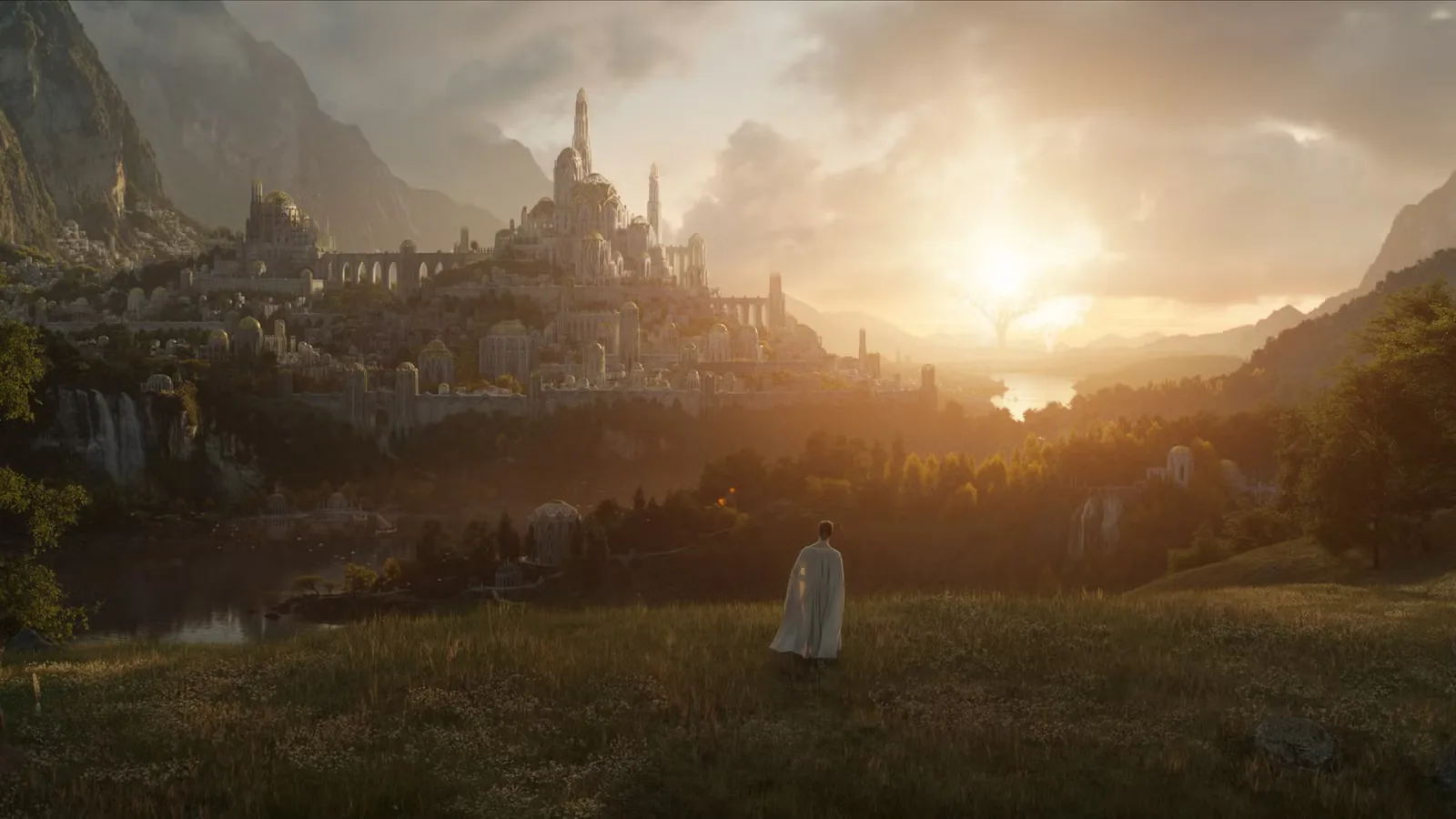
In a fantasy genre fond of closing its epics with cosmic explosions and divine revelation, J.R.R. Tolkien chose a quiet path instead: ending The Lord of the Rings with three simple words from Samwise Gamgee's mouth, “Well, I'm back.” That sentence is not merely a sweet closing; it is a thesis statement about the nature of survival after great destruction.
Across three volumes, Tolkien built a Middle-earth full of apocalyptic war, immortal elves, and a Ring that threatened existence itself. Yet when the dust of battle settled, he refused to close the story with imperial proclamation or the crowning of a king. Instead, the narrative lens narrows to the porch of Bag End, where Sam—weary but no longer threatened—returns to the bosom of his family. For a genre obsessed with cosmic grandeur, this radical simplicity is what makes Tolkien's finale a masterpiece.
Rather than ending the tale at the coronation of King Aragorn or the fall of Barad-dûr, Tolkien guides the reader to a deeply personal scale. The hobbits return to free the Shire from the grip of Saruman's industry, but Frodo realizes his psychological wounds are too deep to heal. The true climax is not a battle but a parting. Frodo sails to the Undying Lands from the Grey Havens, leaving Sam to inherit Bag End. Sam then walks up the hill to his home, opens the green door, and sits with his wife and daughter. Tolkien closes the book with the line: “'Well, I'm back,' he said.”
That sentence is far more than a warm farewell. It functions as the thesis statement of the entire trilogy, answering the question of what every bloody battle and fallen kingdom was actually fought for. In three words, Tolkien shuts the door on the trauma and horror of the Third Age, offering a profound truth: the ultimate purpose of survival in an apocalyptic quest is not glory, power, or ascension to a throne, but the right to return to the life one fought for. For a legendarium so defined by the burden of the endless “Road,” the most unforgettable moment is not a step toward legend but the definitive act of coming home.
Sam is not crowned king. Though poets' songs echo his name on the battlefields of Gondor, in the Shire he claims no throne or mythic monument. He simply returns to the land, marries Rosie Cotton, and begins the unglamorous work of tidying up the remnants of destruction. The cataclysmic events we followed for thousands of pages are replaced by something far quieter—and far more sacred: a warm hearth, a baby's cry, and the routine of life after the adventure is over.
Tolkien's focus on domestic life is not merely a narrative choice; it is rooted in his personal trauma. As a veteran of the Battle of the Somme, Tolkien witnessed the mechanical horror of World War I kill nearly all of his closest friends. He knew well what happened when the mud dried and surviving soldiers returned to England. They were not victorious demigods but shaken, traumatized men, assigned to pick up shovels and return to ordinary jobs in small towns, carrying wounds the world could not see.
That experience fundamentally shaped his vision of Middle-earth. Tolkien understood that the deepest part of a war story is not the defeat of evil but what comes after. The world does not freeze when the dark lord falls, and history does not stop when the book closes. Middle-earth keeps turning, and its survivors must find a way to live in it. By refusing mythic spectacle and giving the last word to Samwise Gamgee, Tolkien asserts that saving the world is only half the battle. True victory is having the courage to step back into the rhythm of normal life and keep going.
There is also a layer of melancholy hanging over those final words. Sam has returned, but he is no longer the hobbit who left. Frodo is not either, and the Shire itself has changed. Tolkien refuses to rush toward a sterile resolution, choosing instead to let the permanent scars of war settle into the earth. The quest is over, but its consequences remain.
This emotional honesty explains why that sentence has endured through seven decades of fantasy literature. The genre has spent generation after generation trying to imitate Tolkien's vast worldbuilding and cosmic stakes, but the most enduring ending understands the human truth that a dark lord can fall, prophecies can be fulfilled, and a ring can melt in fire, yet when the dust settles, someone still has to go home and live in the world left behind.
After everything Sam has been through, there is an almost impossible satisfaction when he finally does so. In the Indonesian context, where heroic narratives often stop at the moment of victory, Tolkien's ending offers an alternative perspective: that tending to everyday life after conflict—whether on a personal or social scale—is a form of heroism no less important. The question is, are we ready to appreciate stories that dare to end not with a victory cheer, but with a slow walk home?