Cross-Border Water Crisis: Gaza Waste Cripples Israel's Desalination
Baca dalam 60 detik
- Ledakan alga akibat limbah tak terolah dari Gaza memaksa lima dari enam pabrik desalinasi utama Israel berhenti beroperasi selama beberapa hari.
- Kerusakan 90% infrastruktur air dan sanitasi Gaza menciptakan lingkaran krisis yang kini merembet ke Israel, memicu penurunan pasokan air dan penghentian irigasi pertanian.
- Para pakar memperingatkan potensi wabah penyakit menular seperti hepatitis A yang dapat menembus batas wilayah dan mengancam stabilitas kesehatan regional.
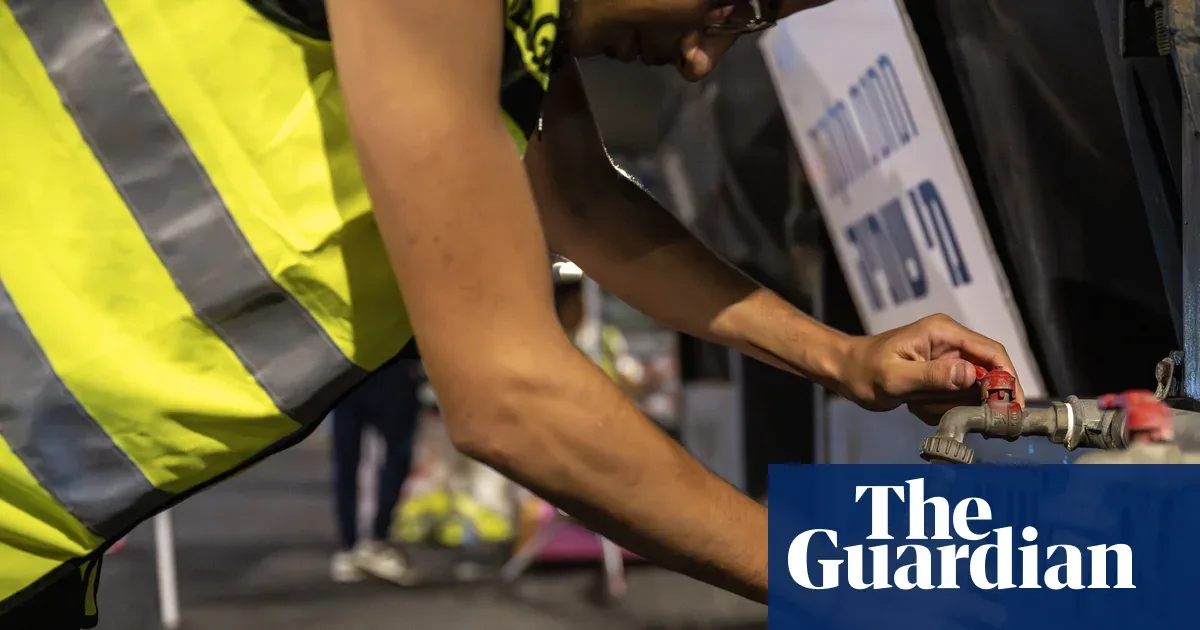
A clean water crisis has hit Israel after an extraordinary microalgae population explosion forced five of the country's six main desalination plants to halt operations for several days. Scientists assess that this phenomenon is directly linked to the destruction of wastewater treatment infrastructure in Gaza, which has resulted in large volumes of raw sewage flowing into the Mediterranean Sea.
According to a report by the nonprofit Zalul Environmental Association, untreated waste from the Gaza Strip contains high levels of nitrogen and phosphorus. These substances serve as nutrients for microalgae and cyanobacteria, triggering a bloom that stretches up to 100 kilometers. As a result, filters at desalination plants become clogged and drinking water production capacity drops drastically.
Professor emeritus Jack Gilron of the Zuckerberg Institute for Water Research, Ben-Gurion University, stated that this incident underscores the vulnerability of Israel's water infrastructure to external threats. He stressed the need for anticipatory measures to protect one of the country's main drinking water sources. So far, Israeli authorities have urged citizens to use water wisely, while supply in the southern region has been reduced and farmers ordered to stop irrigation—a decision expected to drive up food prices.
On the other side, Gaza remains trapped in a severe humanitarian crisis. A Médecins Sans Frontières report notes that Israeli airstrikes have destroyed 90% of water and sanitation infrastructure, including wells, pipelines, reservoirs, and desalination units. Before the war, 80% of Gaza's water supply came from the coastal aquifer, but the groundwater has now been contaminated by seawater and waste, making it unfit for consumption.
Omar Shatat, deputy executive director of the Coastal Municipalities Water Utility Gaza, revealed that all five wastewater treatment plants in the area are nonfunctional. Every day, about 45,000 cubic meters of raw sewage is discharged into the Mediterranean, while another 15,000 cubic meters seeps into groundwater from infiltration pits, especially in the informal camps of al-Mawasi. "This is a catastrophic situation, both from an environmental and public health standpoint," he said.
"We carry water in jerrycans. We walk carrying heavy containers or queue for hours. Much of the water is unsafe, and children suffer repeated stomach infections, diarrhea, and skin rashes," said Nas al-Barawi, 34, a mother of five from Beit Lahia.
The situation is worsened by a rat infestation in Gaza and in Israeli communities near the border. Nada Majdalani, director of Palestine EcoPeace Middle East, warned that the consequences of war do not stop at territorial borders. "We have already seen an increase in hepatitis A in Gaza. I believe we are on the brink of disaster. A serious outbreak in Gaza will not necessarily stay within Gaza's borders," she said.
Zalul and EcoPeace are urging Cogat, the Israeli body that administers Gaza, to restore the sewage system and allow wastewater treatment in areas under Israeli control. However, as of this news being published, Cogat has not responded.
For Indonesia, this crisis is a reminder that environmental damage in one region can have cross-border impacts, especially in areas with high dependence on shared water resources. As an archipelagic nation with sanitation and waste management challenges that are no less complex, Indonesia needs to strengthen environmental diplomacy and investment in water treatment infrastructure to prevent a similar scenario.
Looking ahead, the question is: will the international community push for binding cross-border sanitation solutions, or will this crisis keep recurring every time summer arrives?