Sardine Virus Outbreak in South Africa: Between Penguin Survival and Fishermen's Economy
Baca dalam 60 detik
- Kematian massal sardin di sepanjang 2.600 km pantai Afrika Selatan dan Namibia dipicu oleh virus herpes pilchard (PHV), memicu perdebatan antara penutupan perikanan dan dampak ekonomi.
- Ilmuwan konservasi mendesak penghentian sementara penangkapan sardin untuk melindungi penguin Afrika yang terancam punah, sementara industri perikanan memperingatkan kerugian hingga 1,2 miliar rand.
- Hasil survei biomassa hidroakustik pada Desember 2025 akan menentukan kuota penangkapan dan nasib populasi sardin serta penguin ke depan.
The mass death of sardines (pilchards) that has swept South African waters since late July 2025 has sparked tension between conservation efforts and the economic interests of fishermen. The fish nicknamed the “energy bars of the sea” were found floating dead at sea near Saldanha Bay, then washed ashore on beaches around Cape Town, and within weeks spread across a 2,600 km stretch of coastline, including Henties Bay in Namibia and Mbotyi in the Eastern Cape Province.
Pilchard herpesvirus (PHV) was identified as the main cause. The virus specifically attacks sardines and is harmless to humans or animals that consume infected fish. Nevertheless, the source of the virus's entry is still being traced; suspicion points to imports of frozen sardines from the canning industry or commercial fishing bait. A 2016 study had warned of this risk because South Africa's sardine population had not previously been exposed to PHV.
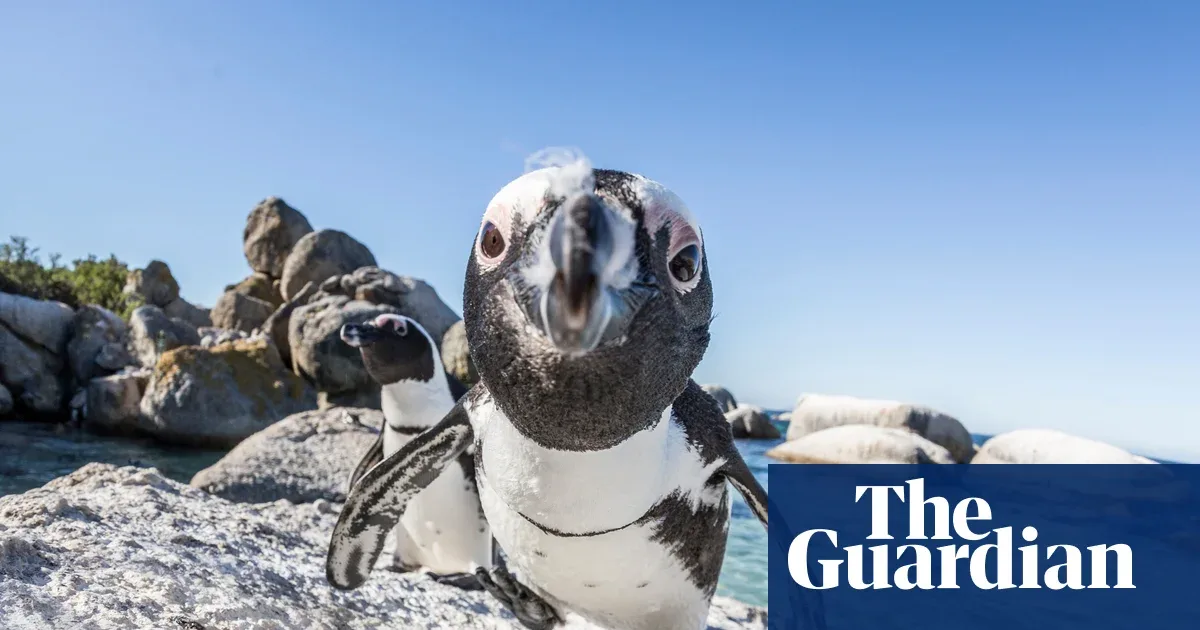
The ecological impact is significant. Sardines are a primary food source for the critically endangered African penguin, seals, dolphins, and various fish species. Meanwhile, the commercial sardine fishery contributes billions of rand and thousands of jobs. “We have never faced an event of this magnitude,” said Dr. Janet Coetzee of the Department of Forestry, Fisheries and the Environment, who chairs the rapid response task team.
The government task team decided in early September not to close the sardine fishery entirely, arguing that the available evidence did not show a very large population decline. However, the decision drew criticism from 12 independent scientists and conservation organizations demanding a temporary halt until the biomass survey results are out. “We don't know how many sardines have died because most sank to the seabed,” said Dr. Alistair McInnes of BirdLife South Africa. “What we do know is that a similar event in Australia was devastating.”
McInnes highlighted the African penguin's molting period in October-February, when food needs increase. “There is a close link between penguin survival and sardine biomass. The impact of a fishery collapse—as happened in California and Namibia—is far worse than a temporary closure,” he stressed. Meanwhile, the South African Pelagic Fishing Industry Association warned that a moratorium would cripple coastal communities that depend on the sector.
Indonesian context: As a country with high marine biodiversity, Indonesia faces a similar challenge in balancing conservation and the fishermen's economy. This case mirrors the importance of data-based fish stock management and preparedness for marine disease outbreaks that can affect food security and fishery exports.
The hydroacoustic survey results scheduled for release in early December will be decisive. If sardine biomass drops sharply, pressure to close the fishery will intensify, with major economic consequences. Conversely, if the population is deemed sufficient, fishermen can resume operations in January 2026. This decision will determine not only the fate of the African penguin but also the future of the sardine fishing industry in the region.