Australian Rocket Project Halted: Vegetation Council Refuses to Amend Rare Bird Habitat Agreement
Baca dalam 60 detik
- Dewan Vegetasi Asli Australia Selatan menolak permohonan Southern Launch untuk mengubah perjanjian konservasi di Whalers Way, yang dapat membatalkan proyek kompleks peluncuran orbital.
- Keputusan ini melindungi habitat kritis bagi burung southern emu-wren dan mallee whipbird yang terancam punah, namun menuai reaksi dari industri antariksa yang menginginkan lokasi strategis.
- Pemerintah negara bagian memberi ruang bagi pengembang untuk mengajukan ulang, sementara kelompok konservasi mendesak pencarian lokasi alternatif yang tidak mengorbankan keanekaragaman hayati.
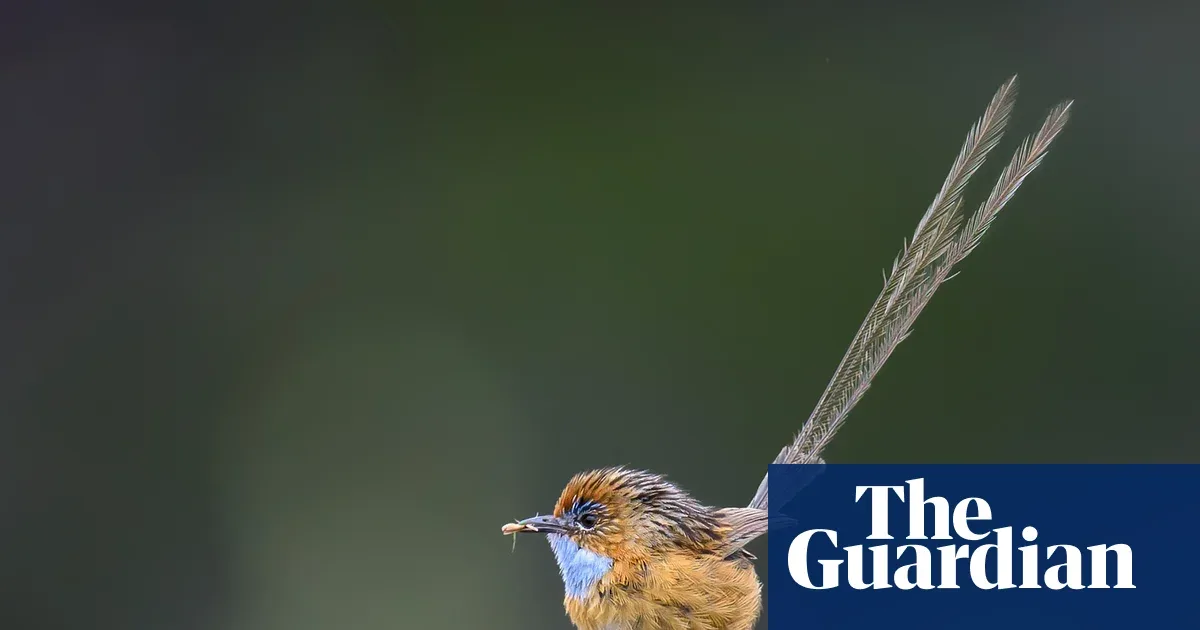
The South Australian Native Vegetation Council has rejected space company Southern Launch's application to amend a heritage agreement at Whalers Way on the Eyre Peninsula, which has long protected rare bird habitat. The decision is a major blow to plans for an orbital launch complex that had received federal and state approval but is now threatened with cancellation due to the area's conservation status.
Whalers Way, located about 32 kilometers from Port Lincoln, has long been protected by a heritage agreement—a covenant on private land aimed at permanently preserving native wildlife and habitat. Southern Launch sought to amend the agreement so the project could proceed, but the council rejected the application earlier this month. The rejection affirms that the integrity of environmental agreements cannot be compromised solely for commercial interests.
The 23-hectare area is the last stronghold for the endangered Eyre Peninsula subspecies of the southern emu-wren, as well as home to 80% of the population of the also-protected mallee whipbird. Kate Millar, CEO of BirdLife Australia, welcomed the council's decision and called the site “one of the most precious and important habitats in the state.” According to her, the location is the “worst possible site” for a rocket launch facility.
“These birds are hanging on by a thread. It is the duty of governments, communities, and businesses to restore their habitat and give them the greatest possible chance of avoiding extinction,” Millar said.
Millar added that South Australia's natural environment is under relentless pressure: harmful algal blooms, the arrival of the H5 bird flu virus, and the threat of an extreme bushfire season. Poorly sited development, she said, would be “one more nail in the coffin” for endemic species found nowhere else in the world.
Kirsty Bevan, CEO of the Conservation Council of SA, praised the council's decision and urged the state government and the developer to respect the outcome and look for alternative sites. “We appreciate the council's expertise and diligence in maintaining the integrity of the heritage agreement process that protects places like Whalers Way,” she said.
A state government spokesperson said Southern Launch had been notified of the rejection, but the company could still submit a revised application and bring the matter back to the council for reconsideration. Meanwhile, Southern Launch has not provided an official response to media requests for confirmation.
According to the company's website, the Whalers Way site was chosen for favorable launch conditions: its coastal location, stable weather, and low ship and aircraft traffic. A spokesperson for the Australian Space Agency added that Australia has several other operational launch facilities, such as the Bowen Orbital Spaceport in Queensland and the Koonibba Test Range in South Australia, with several others in development. “Australia's geographic advantages make it an attractive destination for space launch and return activities, with vast open areas, access to a range of target orbits, and a stable political and regulatory environment,” the spokesperson said.
The decision highlights the tension between ambitions to expand the space industry and environmental conservation commitments in Australia. While space projects promise economic growth and technological progress, the impact on fragile ecosystems is a consideration that cannot be ignored. For Indonesia, which is also developing its space sector through LAPAN and now BRIN, this case is an important mirror: are stricter environmental regulations needed before opening land for rocket launches? Will the government and developers in Indonesia learn from Australia's experience in balancing economic interests and conservation?