US-China Tariff Truce Extended by Two Months, Xi Jinping Arrives in Washington
Baca dalam 60 detik
- Menteri Keuangan AS Scott Bessent mengumumkan perpanjangan gencatan dagang dengan China hingga 10 Januari, lebih pendek dari ekspektasi pasar.
- Kunjungan kenegaraan Xi Jinping ke Washington menjadi latar kesepakatan, dengan pembahasan sistem peringatan dini insiden AI.
- Bagi Indonesia, stabilitas tarif ini memberi ruang napas bagi ekspor dan investasi, namun ketidakpastian kebijakan tetap membayangi.
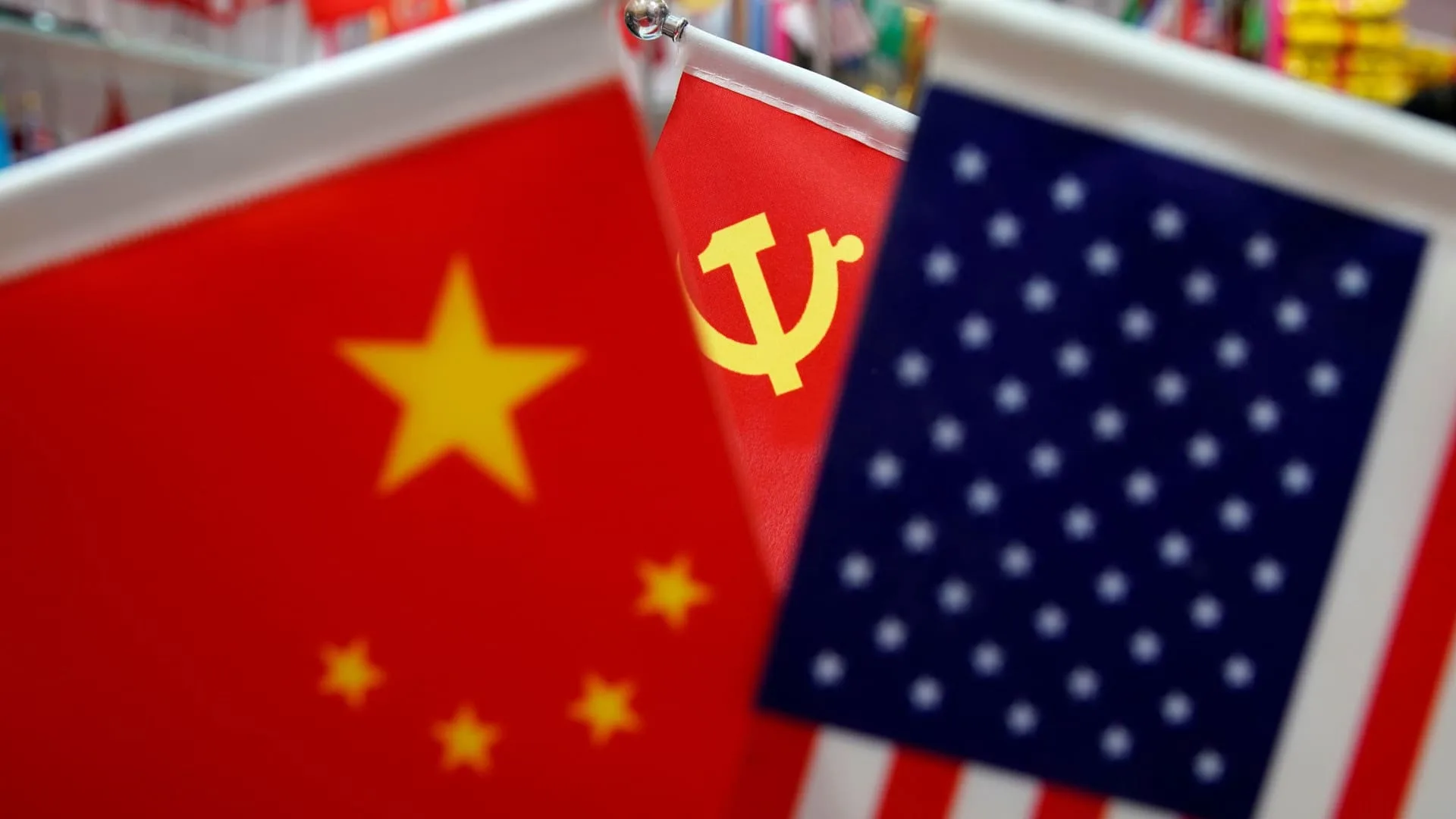
United States Treasury Secretary Scott Bessent confirmed that the trade truce between Washington and Beijing has been extended until January 10, prolonging a tariff pause that was originally set to expire in November. The announcement was made by Bessent in an interview with Fox News, coinciding with the landing of Chinese President Xi Jinping in Washington, DC, for a state visit through Friday.
The two-month extension is shorter than many had expected, as some had previously speculated the agreement would be extended by six months or more. Bessent stressed that Beijing still needs to fulfill a number of outstanding commitments. "China has to complete more deliverables," he said, as quoted by Fox News.
A one-year trade truce had in fact been agreed upon by Xi and US President Donald Trump at a meeting in South Korea last October. However, the fast-approaching November deadline forced both sides to renew their commitments. The extension until January 10 provides additional room, though it does not eliminate uncertainty.
Xi's visit to Washington is a significant diplomatic moment. Footage broadcast by Chinese state television showed Trump and First Lady Melania Trump welcoming Xi and Peng Liyuan at the foot of the Chinese presidential aircraft. No handshake between the two leaders was visible in the clip; the camera focused more on Xi and his wife receiving bouquets from two children.
Before Xi's arrival, Bessent met Chinese Vice Premier He Lifeng in New York. In that meeting, the two sides discussed establishing an early warning system for artificial intelligence incidents. The move signals that technological cooperation continues even as trade tensions have not fully eased.
"Beijing needs to fulfill more commitments," Bessent stressed, hinting that the extension is not the end of negotiations.
For Indonesia, the extension of this tariff truce carries dual implications. On one hand, tariff stability between the world's two largest economies can help maintain the flow of trade and investment into the region, including Indonesia. However, the mere two-month duration creates uncertainty for businesses planning long-term exports. Indonesia needs to watch closely whether this truce will be extended again or instead trigger volatility in financial markets.
Regional financial markets are expected to respond cautiously. Investors will scrutinize further statements from both leaders as well as the progress of negotiations after January 10. If no permanent agreement is reached, the risk of renewed tariff hikes could disrupt global supply chains, including Indonesia's manufacturing sector, which is integrated with China and the US.
With a relatively short deadline, the question now is: will this extension serve as a bridge toward a comprehensive agreement, or merely a delay that adds uncertainty to the global economy?