Harvey Weinstein Sentenced to 15 Years in Prison, the End of a Six-Year Legal Drama
Baca dalam 60 detik
- Majelis hakim Manhattan menjatuhkan hukuman 15 tahun kepada Harvey Weinstein atas kejahatan seksual tahun 2006, memicu babak baru dalam gerakan #MeToo.
- Meski vonis ini terbilang berat, Weinstein masih menghadapi proses hukum terpisah di Los Angeles yang bisa menambah masa tahanannya.
- Kasus ini menyoroti kompleksitas penegakan hukum atas kekerasan seksual, terutama ketika pelaku memiliki kekuasaan dan sumber daya besar.
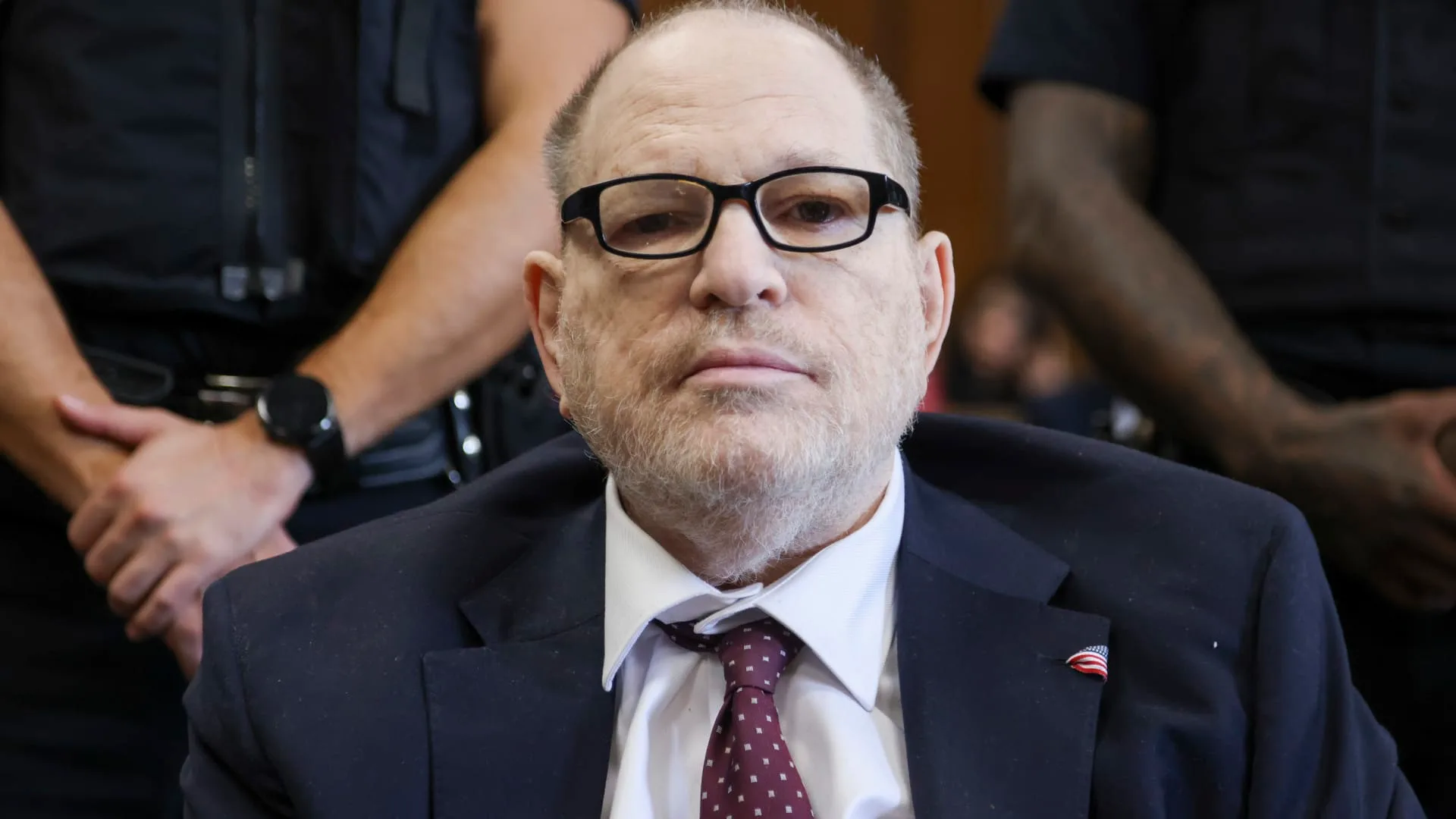
Harvey Weinstein, the once-powerful Hollywood producer, was sentenced to 15 years in prison by a Manhattan court on Wednesday (23/9/2026) for a sexual assault that occurred in 2006. The verdict marks the culmination of a winding legal journey spanning more than six years, and reaffirms Weinstein's position as a symbol of the #MeToo movement.
The sentence was handed down after he was found guilty in a retrial last year of a first-degree criminal sexual act against Miriam Haley, a former television production assistant. Weinstein, now 74, had previously served a 23-year sentence that was overturned by the New York Court of Appeals in 2020. The second retrial at one point reached a deadlock, but the jury ultimately found the man guilty again.
During the trial, Haley described the profound impact she had suffered. “The act I took to speak out will keep me vigilant for years to come,” she said before the panel of judges. She called the assault she endured a “life sentence.” Meanwhile, Weinstein offered an apology while continuing to deny that he had committed rape or sexual assault. “I live with a lot of regret and I sincerely apologize to anyone who was affected by my actions,” he said.
Judge Curtis Farber stated in his ruling that Weinstein had once been a “king” in the film industry, but is now better known as a “sexual predator, the face of the #MeToo movement.” Farber stressed that Weinstein treated women as “objects to be played with and discarded,” and to this day has not shown genuine remorse. The judge's statement illustrates how a person's reputation and power can collapse when sexual crimes come to light.
“Women now have power they have never had before,” said Gloria Allred, Haley's lawyer, responding to the verdict. She rejected the notion that the #MeToo era has ended.
Although the sentence is considered heavy, Weinstein's legal journey is not over. He is still awaiting a resentencing proceeding in Los Angeles over a separate rape case against him in 2022. A California appeals court had previously overturned a 16-year sentence because the judge took into account the New York conviction that was later overturned. In addition, Weinstein's steadily declining health—he has blood cancer, congestive heart failure, and kidney problems—was a factor his defense team asked to be considered in mitigating his sentence. However, the request was not granted.
The Weinstein case mirrors how the legal system deals with perpetrators of sexual violence who hold power. In Indonesia, the issue of sexual violence has also drawn increasing attention, especially after the passage of the Law on Sexual Violence Crimes (UU TPKS) in 2022. Even so, law enforcement still faces challenges, from social stigma to the lack of protection for victims. The Weinstein case can serve as a lesson about the importance of victims' courage to speak out and the role of the media in exposing sexual crimes.
Looking ahead, a big question arises: will this verdict strengthen the #MeToo movement globally, or will it instead mark the peak of a wave that is beginning to recede? What is clear is that the struggle for justice for victims of sexual violence is still long, and every verdict like this is a sign that power is no longer a shield for perpetrators.