Foreign Minister Sugiono Brings Global Resilience Agenda to UN Stage, Indonesia to Speak Saturday Afternoon
Baca dalam 60 detik
- Indonesia dijadwalkan menyampaikan pernyataan nasional pada Debat Umum Sidang Majelis Umum PBB ke-81, Sabtu 26 September 2026 sesi sore.
- Menlu Sugiono mengusung tema ketahanan global yang bertumpu pada kekuatan nasional dan kawasan, sekaligus menyoroti isu Palestina dan reformasi PBB.
- Posisi Indonesia sebagai juru bicara Global South diuji di tengah ketidakpastian geopolitik dan dorongan tata kelola AI global.
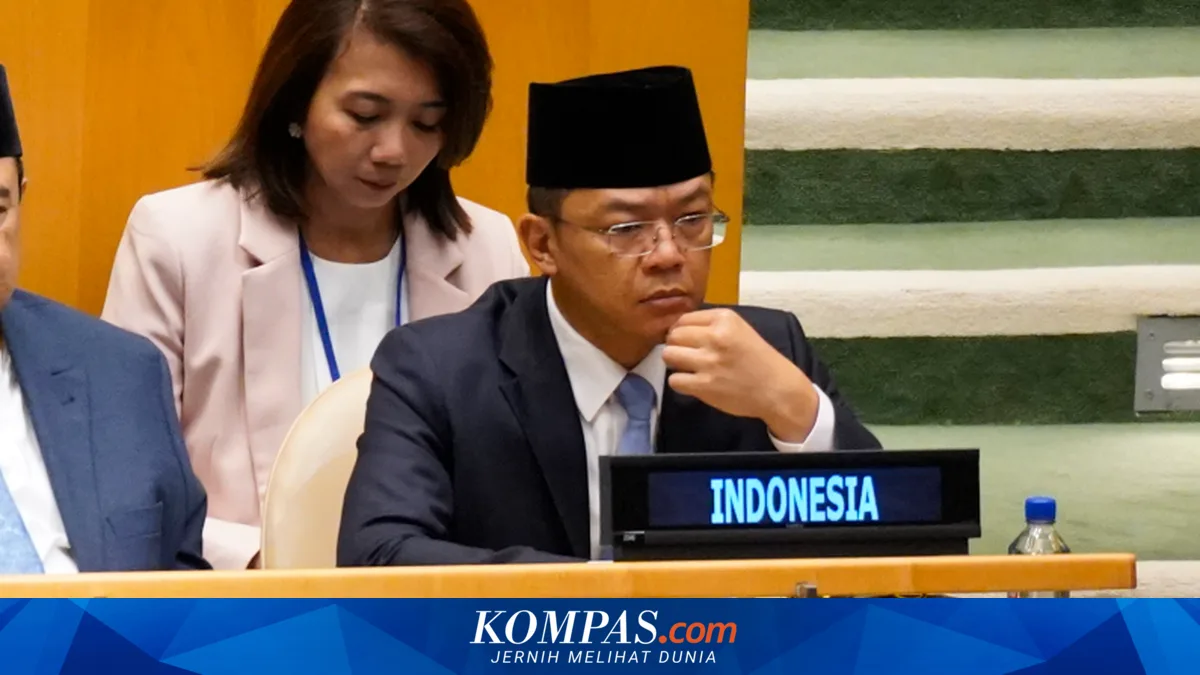
Foreign Minister Sugiono has confirmed that Indonesia will get a speaking slot in the General Debate of the 81st UN General Assembly (UNGA) on Saturday, 26 September 2026, in the afternoon session. The schedule places Indonesia alongside major countries that use the annual New York forum to articulate their foreign policy priorities before nearly 200 delegations.
The national statement Sugiono will deliver this time centers on the concept of global resilience. According to him, collective resilience can only stand firm if it is supported by solid national and regional resilience. The idea is not merely diplomatic rhetoric, but a response to an international landscape he describes as increasingly uncertain and unpredictable.
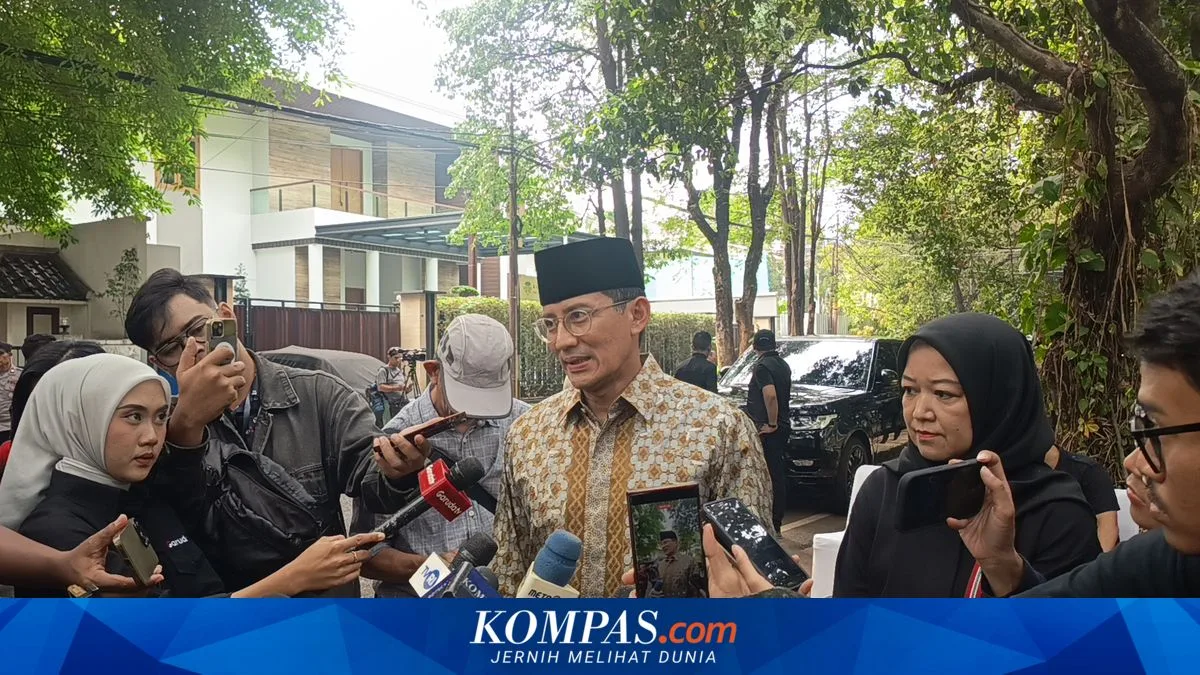
In remarks delivered on Thursday (24/9/2026), Sugiono said several specific issues would be raised. Besides international peace and security, Indonesia will highlight the question of Palestine, the strengthening of multilateralism, reform of UN institutions, and the strengthening of the role of Global South countries. The agenda package shows Indonesia is seeking to position itself not only as a participant, but as a unifier of developing-country interests.
For Indonesia, this stage carries strategic weight beyond diplomatic protocol. As the world's fourth most populous country and ASEAN's largest economy, Indonesia is often expected to act as a balancer among major powers. But that expectation always collides with limited diplomatic capacity and resources. The choice of a global resilience theme can therefore be read as an effort to reframe Indonesia's position: not merely a spectator in US-China rivalry, but a provider of ideas about stability.
The Palestine issue Sugiono will raise is no coincidence either. The protracted Gaza conflict has tested the UN's credibility in the eyes of developing countries, and Indonesia has consistently placed the issue as a foreign policy priority. Voicing it at the General Debate gives Jakarta legitimacy to demand consistency in international law, while also strengthening a domestic support base that is sensitive to Palestinian solidarity.
"Amid today's world situation, which is so uncertain and unpredictable, building shared resilience is an important step in addressing the global challenges we face across various sectors," Sugiono said.
Also worth noting is the inclusion of artificial intelligence (AI) governance in this year's UNGA side agenda. For Indonesia, the issue is not a distant discourse. A wave of data center investment and AI adoption in the financial, health, and government sectors demands a regulatory framework that must not lag behind developed countries. If Indonesia is only a user without helping shape the rules of the game, the risk of technological dependence and data leaks will loom. The UN forum is one of the few spaces where developing countries can demand inclusive AI governance.
On the economic side, Indonesia's position at the UN often serves as an indirect signal to global investors. Political stability and diplomatic consistency affect risk perception, especially in the energy sector, mineral downstreaming, and green transition financing. When Indonesia talks about global resilience, the message it wants to send to the market is that the country is part of the stability solution, not a source of uncertainty.
The UN reform Indonesia will push also touches the direct interests of developing countries, including representation on the Security Council. The UN architecture has long been seen as lopsided because veto power remains in the hands of five countries. The demand for reform is nothing new, but the momentum of global uncertainty could put greater pressure on major powers to respond.
The question is, how far will that Saturday afternoon speech translate into concrete steps after New York? Without follow-up in the form of a real coalition, economic alliance, or regional initiative, a national statement at the UN risks remaining a rhetorical document. For readers in Indonesia, the measure of diplomatic success is not the length of applause in the hall, but whether the positions fought for bring real benefits to the nation's security, economy, and dignity on the world stage.