Press Freedom on Trial: US Judge Hears CNN, MS NOW, and Politico Challenge White House Ban
Baca dalam 60 detik
- Tiga media besar Amerika Serikat menggugat Presiden Trump ke pengadilan karena dicabut aksesnya ke Gedung Putih secara sepihak.
- Pemerintah berdalih alasan keamanan nasional, tetapi penggugat menilai larangan itu murni pembalasan atas pemberitaan kritis.
- Putusan hakim dalam waktu dekat akan menjadi preseden bagi kebebasan pers global, termasuk kebijakan akses media asing di Indonesia.
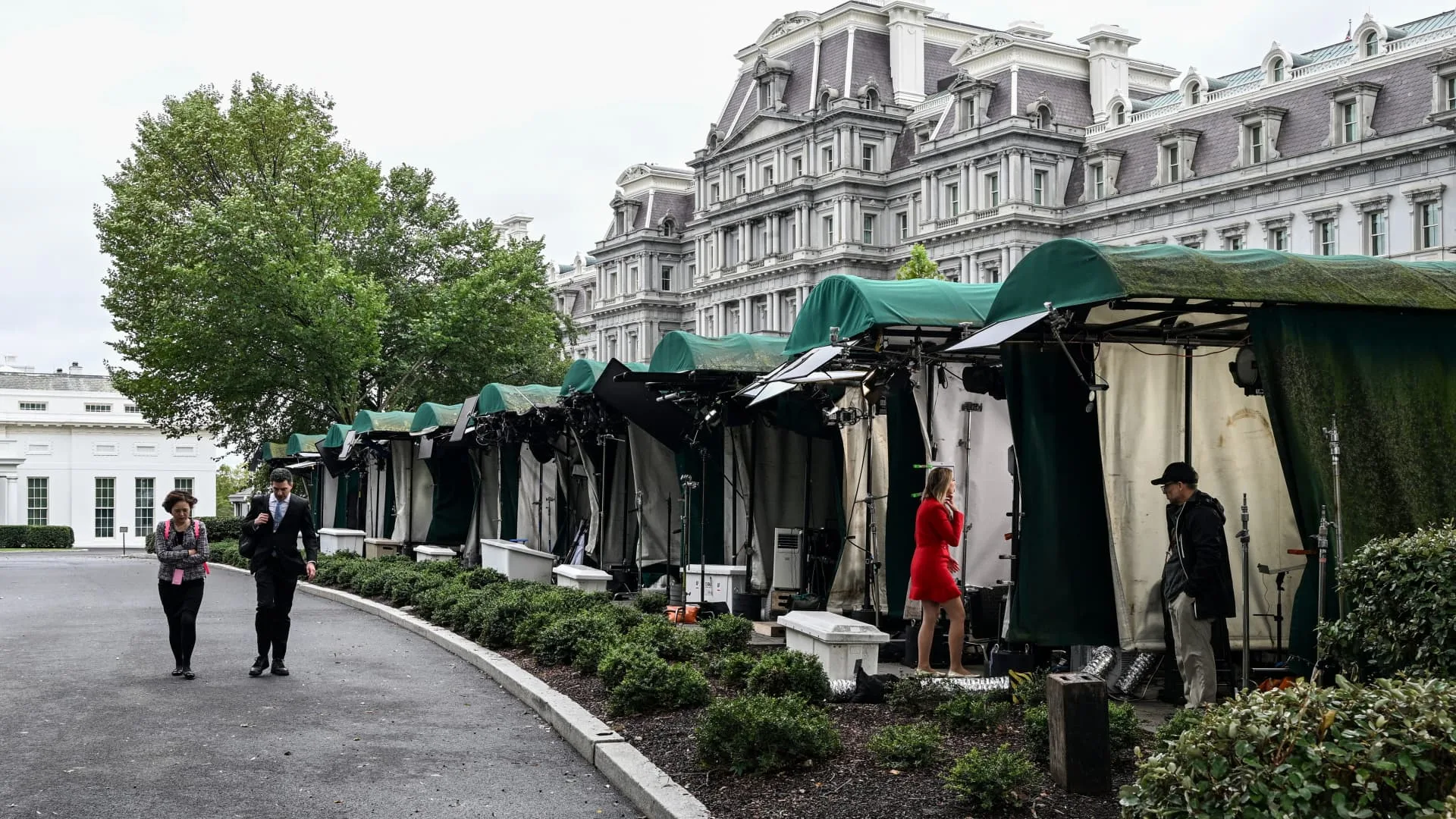
US District Judge Timothy Kelly presided over a teleconference hearing on Wednesday (23/9/2026) to decide on a request by three news outlets—MS NOW, CNN, and Politico—asking the court to block the White House ban on their access. The lawsuit filed earlier this week accuses President Donald Trump of violating the First Amendment of the US Constitution, which guarantees press freedom, by revoking their coverage rights as punishment for news content deemed negative.
During the hearing, the plaintiffs' attorney, Theodore Boutros, called the case "open retaliation." He pointed to Trump's public statements on Truth Social and in the Oval Office that explicitly said the ban was imposed because media coverage was judged "too negative" and "deliberately negative." According to Boutros, those statements only strengthen his clients' claim that they are being targeted for viewpoint discrimination. "He keeps saying the same thing. He keeps proving our point. He is literally our star witness here," he said before the judge.
The Department of Justice, in a filing submitted Tuesday night, argued that the access restrictions are based on national security considerations and are a lawful presidential authority. However, that reason was never mentioned by Trump when he announced the ban last Friday. Judge Kelly during the hearing referenced a 1977 District of Columbia Circuit Court of Appeals ruling that media are entitled to due process before their access rights are revoked. "I think it is fair enough to say that process... was not followed here," Kelly said, referring to the absence of a warning before revocation. He also noted that the Department of Justice is seeking to weaken the 1977 ruling.
The government then attached three separate letters that newly explained the "initial" reasons for the ban and gave the media until this Friday to respond before a permanent ban is imposed. The plaintiffs view that move as an attempt to cover up procedural defects. Kelly, who was appointed by Trump during his first term, has a track record of siding with press freedom: in 2018 he ordered the White House to restore the access card of then-CNN correspondent Jim Acosta after it was revoked following a heated exchange with Trump.
This case is not merely a dispute over newsroom access. It tests how far executive power may pressure the press in a country that claims to be a beacon of democracy. For Indonesia, this development is worth watching. A number of press organizations and nongovernmental organizations in Jakarta have long highlighted the importance of transparency in granting coverage access within the palace and ministries. When global standards shift—whether strengthening or weakening—domestic policy often adjusts, especially regarding accreditation for foreign and domestic journalists.
From a media economics perspective, access restrictions can disrupt the operations of news outlets that rely on direct coverage from the White House. CNN and MS NOW, which are under Versant Media, as well as Politico, have large reader segments that are sensitive to Washington political news. Losing access not only reduces content competitiveness but also potentially lowers digital advertising revenue. In Indonesia, similar policies have drawn protests when several media were barred from covering certain activities, though the scale and context differ.
"This is a clear case of retaliation. They are literally arguing that journalists cannot criticize national security," said Theodore Boutros, attorney for the plaintiffs.
Judge Kelly is in a difficult position. He must balance the government's national security claims with constitutional protections for the press. If he rules for the plaintiffs, the decision will reinforce that media access rights to the White House cannot be revoked without fair legal process. Conversely, if he accepts the government's argument, that precedent could open space for similar restrictions on other media in the future—both in the US and in countries watching this development as a mirror.
Most urgent is the Friday deadline. The three outlets are required to respond to the Department of Justice letter, while a permanent ban looms. The question is, will the court be the last bastion of press freedom when political power feels cornered by reporting? And for Indonesia, will we merely be spectators, or begin strengthening legal protections for journalists who criticize the government?