Apple Watch Series 12 Now Shows Real-Time Daily Steps, but There Are Model Limits
Baca dalam 60 detik
- Apple menyematkan widget Daily Steps langsung di watch face melalui chip S11, memungkinkan pemantauan aktivitas tanpa membuka aplikasi.
- Fitur ini eksklusif untuk Apple Watch Series 12 dan Ultra 4, sementara pengguna model lama harus mengandalkan aplikasi pihak ketiga.
- Langkah ini memperkuat ekosistem kesehatan Apple, namun adopsi di Indonesia terhambat harga dan regulasi perangkat wearable.
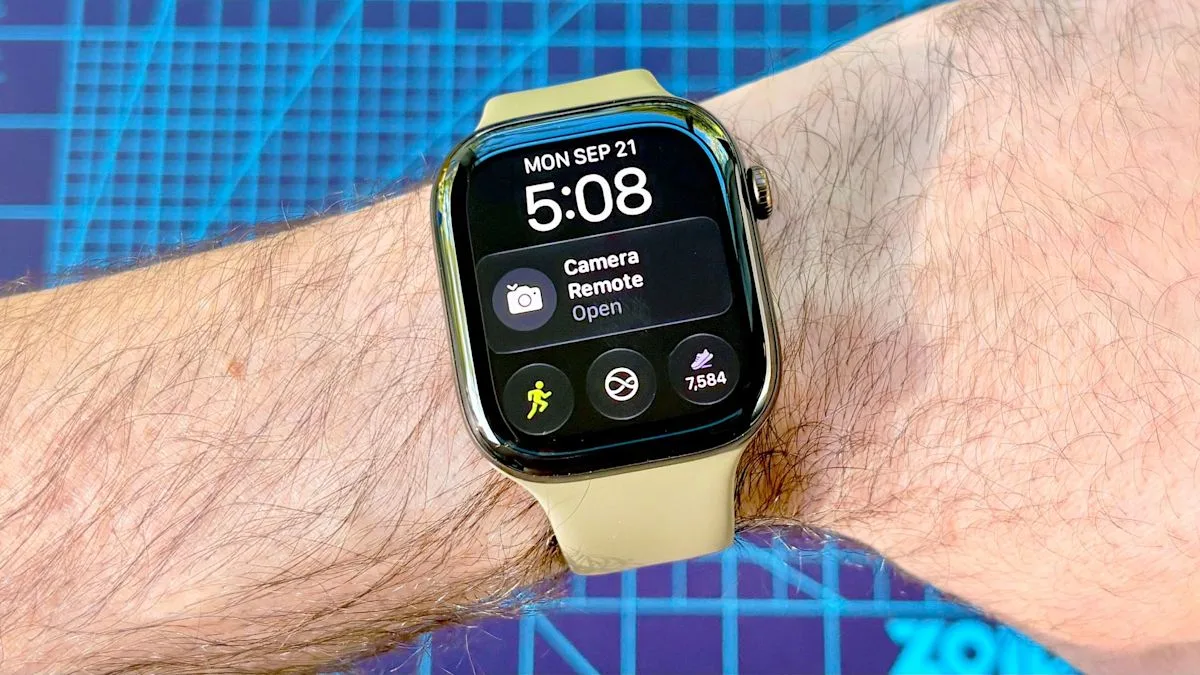
Apple has officially introduced a real-time daily step counter widget on the watch face of the Apple Watch Series 12 and Apple Watch Ultra 4. The capability is made possible by the S11 processor embedded in both models, marking the first time Apple has integrated basic activity data directly into the watch display without the need to open an additional app.
For users who already own the latest devices, the Daily Steps widget can be added through the new Siri Modular watch face. The process is fairly brief: open the Watch app on the iPhone, select Face Gallery, search for Siri Modular, then choose one of six available styles. After that, scroll to the Complications section, select the desired position—for example, the top complication so it is most visible—and replace it with the Daily Steps widget under the Activity category. Finally, tap the orange Add to Watch button and the new watch face becomes active immediately.
However, the feature is not available for previous Apple Watch models. Users of Series 11 and below or the SE model still have to rely on third-party apps such as Pedometer++ to display step counts on the watch face. This limitation underscores Apple's strategy of tending to restrict certain software features to the latest hardware, even though technically older components may be capable of running them.
Apple's move is not merely a cosmetic update. Integrating step data into the watch face strengthens the Apple Watch's position as a preventive health device, competing with brands such as Garmin and Samsung that offered activity metrics on the main screen earlier. For Apple, the feature also serves as a driver of sales for the latest models amid an increasingly saturated wearable market.
"We want users to get important health information at a glance, without navigation hurdles," an Apple spokesperson said in the feature announcement, as quoted from the press release.
In Indonesia, the presence of this feature could potentially broaden awareness of the importance of daily physical activity. However, Apple Watch penetration is still constrained by high retail prices and the absence of mobile operators that fully support the eSIM feature for cellular models. Domestic users who want to take advantage of the Daily Steps widget must dig deeper into their pockets to buy the Series 12 or Ultra 4, which are priced starting at tens of millions of rupiah.
In addition, wearable device regulations in Indonesia still do not specifically govern health claims. Nevertheless, step data does not fall into the medical device category, so it does not require certification from the Ministry of Health. This opens an opportunity for Apple to market the feature more aggressively, especially through bundle programs with telecommunications operators.
Going forward, the question is whether Apple will open a similar feature for older models through a watchOS update, or keep it exclusive as a key selling point of new devices. If this trend continues, consumers in Indonesia and other developing markets may find it increasingly difficult to access health innovations without periodically upgrading their hardware.