21 Years of 'Pegasus': When Battlestar Galactica Found a Monster More Terrifying Than the Cylons
Baca dalam 60 detik
- Episode 'Pegasus' yang tayang 23 September 2005 menghadirkan Battlestar kedua yang selamat dari serangan Cylon, membawa harapan baru bagi armada manusia.
- Kemunculan Admiral Helena Cain justru mengungkap sisi gelap militer: penyiksaan tahanan Cylon dan eksekusi tanpa pengadilan yang mencerminkan kontroversi Abu Ghraib dan Guantanamo.
- Konflik antara Adama dan Cain menjadi cermin dilema moral: mempertahankan kemanusiaan di tengah kehancuran peradaban, relevan hingga kini.
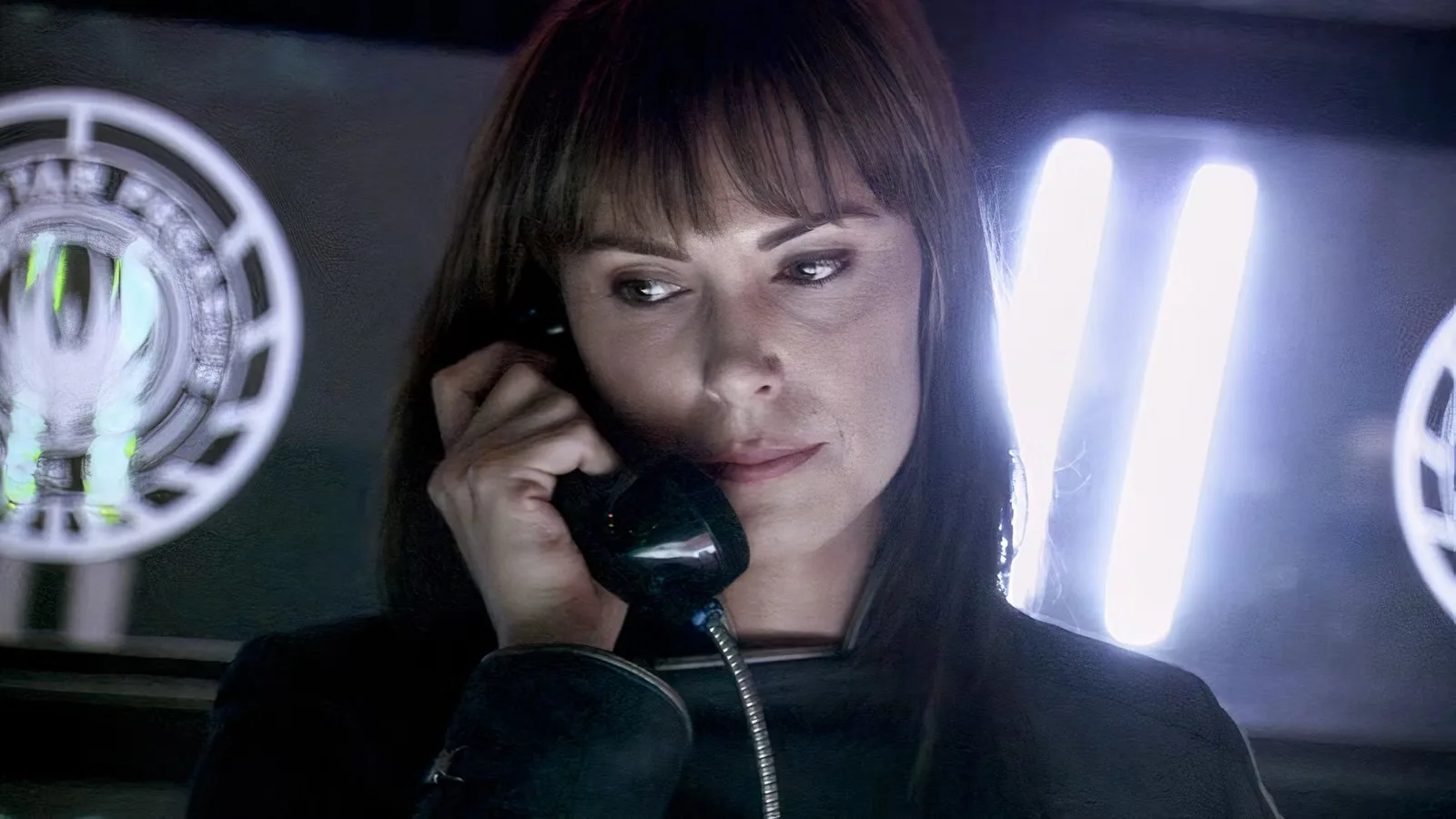
Twenty-one years ago, on 23 September 2005 to be exact, Battlestar Galactica aired the episode that radically changed the direction of its story: “Pegasus”. The episode was not merely a plot twist, but a dark meditation on the price of humanity when civilization collapses. After a season and a half convincing viewers that Galactica was the only warship left, another Battlestar suddenly appeared in the distance—larger, more modern, and commanded by Admiral Helena Cain (Michelle Forbes). The moment felt like a miracle, but it soon turned into a nightmare.
For loyal viewers, the arrival of Pegasus offered hope: another military fleet had survived the Cylon attack that annihilated the Twelve Colonies. Yet behind its discipline and combat power, Pegasus harbored a horrifying secret. Its crew tortured and sexually assaulted Cylon prisoners, a direct reflection of the Abu Ghraib and Guantanamo Bay scandals that dominated international news at the time. Executive producer Ronald D. Moore even acknowledged in the series' official companion book that he was inspired by reports of prisoner abuse during that period.
The conflict peaks when Lieutenant Alastair Thorne, Pegasus's chief interrogator, attempts to assault Sharon, Galactica's Cylon prisoner. Helo and Chief Tyrol, who learn of it, act immediately, and Thorne is killed in the struggle. Without due process, Admiral Cain sentences both to death. It is at this point that Commander William Adama (Edward James Olmos) violates the military hierarchy he has upheld throughout. “I'm getting my men back,” he tells Cain. He deploys marines and Vipers to carry out a rescue, while Cain readies her ship for combat. The episode ends on a hanging tension that forced viewers to wait more than three months for its continuation in January 2006.
What makes “Pegasus” endure in memory is not only Cain's cruelty, but her position as a mirror for Adama. Both are military commanders trying to impose order after the civilian government that gave that order meaning has vanished. Adama chooses to join the civilian fleet, which makes everything more complicated: he must protect civilians, manage limited resources, and submit to political authority that can challenge him. The Galactica crew is messy, emotional, and sometimes insubordinate. Yet that is precisely what keeps them human. Cain, by contrast, sacrifices humanity for military efficiency. She is a terrifying shadow of what Adama could become if his views were taken to the extreme.
“I'm getting my men back.” — Commander William Adama
For Indonesian viewers, the dilemma raised by “Pegasus” feels familiar. This country has experienced dark periods of human rights violations in the past, and to this day still grapples with issues of law enforcement and the treatment of detainees. The series reminds us that when institutions lose moral legitimacy, power tends to become tyranny. The question it poses—whether the ends justify the means—remains relevant in our political and social discourse.
More than two decades after its premiere, “Pegasus” remains one of the most influential episodes in television history. It offers no easy answers, instead demanding that viewers contemplate the boundary between survival and humanity. When science fiction can dissect the real wounds of civilization, we are reminded that stories about the future are often a mirror for the present. Will we, like Galactica, hold fast to human values even when the world around us collapses?