Dolly Parton's Nephew Sued: Threats to 'Destroy the Legacy' and Armed Intimidation Behind the Scenes
Baca dalam 60 detik
- Bryan Seaver, keponakan Dolly Parton, menghadapi gugatan dan perintah penahanan sementara setelah dituduh melancarkan ancaman kekerasan terhadap staf She's Alive, LLC.
- Perusahaan warisan Parton menuding Seaver berusaha merusak reputasi dan operasi bisnis pasca-kematian sang legenda pada 25 Agustus.
- Kasus ini menyoroti kerentanan tata kelola aset selebriti global, dengan implikasi pada industri hiburan dan pariwisata Indonesia yang kerap menjalin kemitraan dengan merek internasional.
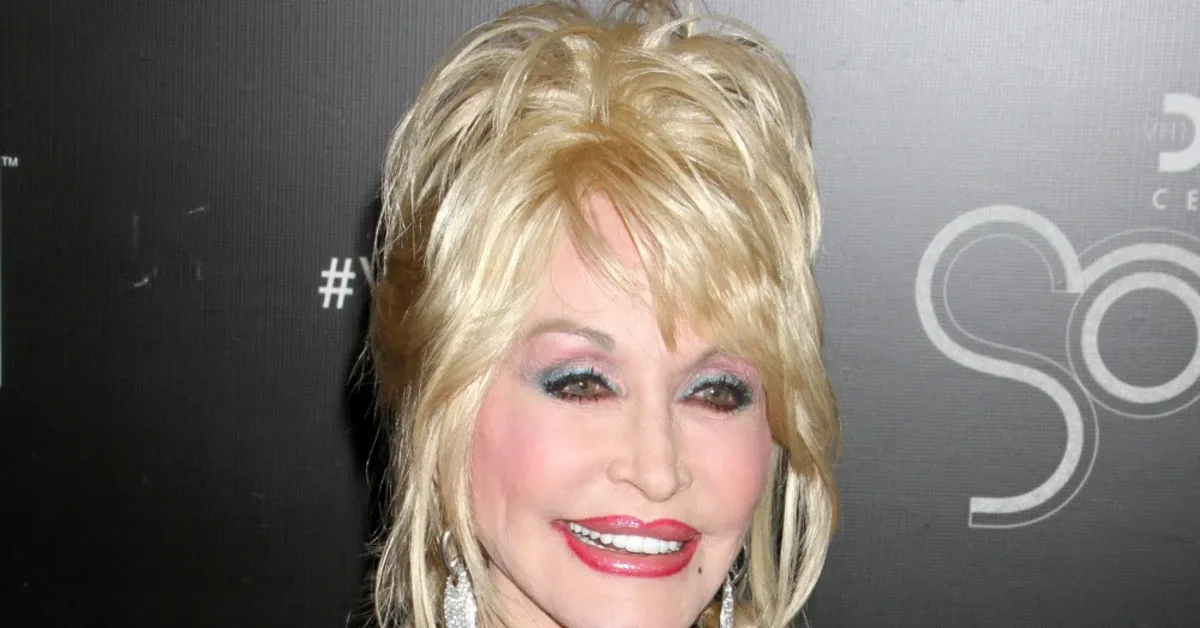
A new lawsuit in the United States has brought Bryan Seaver, the nephew of the late Dolly Parton, to court. He is accused of making threats of retaliation and violence against employees of She's Alive, LLC (SAL) — an entity created by Parton to manage her estate. The local court granted a request for a temporary restraining order on Tuesday (9/22), strengthening SAL's position that Seaver has become increasingly aggressive since Parton's death.
Seaver, who previously served as head of security for Parton's properties for more than two decades, was removed from his position shortly after he announced the death on behalf of the family in a video message. According to court documents obtained by People, he is said to have begun a "campaign of threats, intimidation, and coercion" several weeks before Parton's death on August 25. In a written letter, he allegedly promised to "destroy the entire brand" and called himself a "killer" to Parton's entertainment lawyer.
The documents also reveal that Parton deeply loved her family and fully supported their involvement in the business, as long as it aligned with the company's needs. However, SAL accuses Seaver of trying to cause "reputational and economic harm" to those responsible for protecting Parton's legacy, including by launching a podcast that was allegedly intended to damage brand partnerships unless he was paid. He is also accused of making "credible threats of violence" toward staff, which led to his dismissal.
In the documents, SAL emphasizes the need for a safe working environment for employees, advisors, and partners, especially from intimidation by a former armed security contractor. "Without protection, the defendants' planned campaign will continue to instill fear, disrupt SAL's operations, and cause irreparable harm," the document says. Seaver is said to have boasted that he was an "international arms dealer and mercenary" and to have a plan for "long-term revenge."
"I am seeking revenge for my people for the next 50 years. I have no debts. I have only a sword and weapons. All I have is hatred and memories. But I will spend the rest of my life destroying anyone who has ever betrayed my family... Everything I do is war... Everyone should be worried about what I might do."
According to the documents, the statement was made to Parton's manager, Danny Nozell. SAL is now asking the court to stop all forms of Seaver's interference in the business and is seeking compensatory damages as well as punitive damages, the amount of which will be determined at trial. Meanwhile, Seaver and his team, through TMZ, said they were "disappointed by the unexpected and unexplained actions" after Parton's death. They insist they remain loyal to Parton's final instruction to protect her family and refuse to be intimidated by those they believe are acting with bad intent for profit.
Indonesian Context: Lessons in Celebrity Asset Governance
This case is not merely a family drama involving a global celebrity. For Indonesia, the incident serves as a mirror of how fragile asset and legacy governance can be for public figures if it is not prepared with a strong system. Dolly Parton, with her intellectual property, music catalog, and extensive business lines, is an extreme example of how a "brand" can become the target of internal conflict. Domestically, a number of senior singers and actors also face similar risks when heirs or security teams have privileged access without strict oversight mechanisms.
In addition, Indonesia's tourism and entertainment industries often form partnerships with international brands. Operational instability at She's Alive, LLC could affect event scheduling, song licensing, and even collaborations with local promoters. If this dispute drags on, it is not impossible that several Parton legacy projects in Asia, including Indonesia, could face delays or cancellation. Domestic industry players need to closely monitor developments in this case as material for evaluation when drafting cooperation agreements with foreign entities.
Going forward, the public awaits whether the court will extend the restraining order or instead give Seaver room to defend himself. More importantly, this case raises the question of the extent to which the law can protect cultural legacies from internal conflicts involving weapons and credible threats. Will the global entertainment industry learn to take more seriously the building of transparent and accountable succession systems?